Weed Farm Tour in Thailand Locations and How to Choose a Tour
Book a weed farm tour in Thailand that stays on the right side of the law. Walk a licensed, GAP-certified Chiang Mai farm with an English-speaking guide, learn Thai cannabis law and traditional herbal uses, and no consumption is needed to enjoy it. Choose your farm tour now, with free hotel pickup and cancellation up to 24 hours before.
"Well-organized tour with on-time pickup and drop-off. The cannabis farm was stunning, with a small veggie and fruit garden and a comfy green sitting area. Highly recommend!"
Choosing a weed farm tour in Thailand - A first-timer's guide
Chiang Mai has two kinds of cannabis farm visit. One is a guided three-hour walk through the fields with a Cannabis 101 session on Thai law and traditional uses. The other is a full nine-hour day that adds a hands-on Thai cooking class at your own station. The one difference that decides between them: how much of your day you want to give the countryside.
Age limitBoth Chiang Mai tours are for adults 20 and over only. Thailand's minimum age for a licensed dispensary or cannabis farm is 20, so a teenager cannot come along even without consuming.
Photo IDBring your passport or a photo ID. It may be requested on arrival at the farm.
No smokingNo consumption, sampling, or distribution of cannabis products happens on either tour. Both are educational and wellness-focused visits, and smoking cannabis in public is forbidden in Thailand, with a fine of up to 25,000 baht possible.
TimingHotel pickup is between 8:30 am and 9:30 am. You get the exact time by message the evening before, and the morning hours are the coolest part of the day for walking the fields.
Getting thereRound-trip hotel transfer within Chiang Mai city is included on both tours. Ride-hailing apps thin out in rural districts, so a tour transfer is the simplest way back.
What to wearWear closed shoes with solid grip, since farm ground is uneven and wet from irrigation. Lightweight long sleeves, a hat, and bug spray cover sun and pests.
SeasonAugust and September bring the heaviest monsoon rain, usually as intense afternoon downpours of 30 minutes to two hours that clear afterwards. Peak greenhouse flowering runs from August through November.
CancellationBoth tours offer free cancellation up to 24 hours before the start time.
FoodOn the cooking class tour, tell the chefs about any allergies or dietary requirements when booking. Vegetarian, vegan, halal, and gluten-free menus are available on request.
PhotographyPhotography is permitted in designated areas of the farm only, so keep the camera put away elsewhere.
documentThai farm tours admit adults 20 and over, and photo ID may be requested at the gate.
Carry your passport on the day of the tour, and check the age rule before booking for anyone younger in your group.
Which cannabis farm tour in Thailand should you book?
Cheapest and highest rated
3 hours·English
5.0(2)
Chiang Mai: Happy Herb Cannabis Farm Guided Tour
The short half-day option: 3 hours, a perfect 5.0 rating and the lower of the two starting prices.
Free cancellationHotel pickup includedRound-trip hotel transfer (Chiang Mai city)
In Chiang Mai you can walk a licensed herbal cannabis farm with an English-speaking guide, learn Thai law and cultivation in a Cannabis 101 session, or stretch the day to nine hours by adding a hands-on Thai cooking class at your own station.
Both tours include round-trip hotel pickup, a Thai lunch, and no consumption, and they suit adults 20 and over.
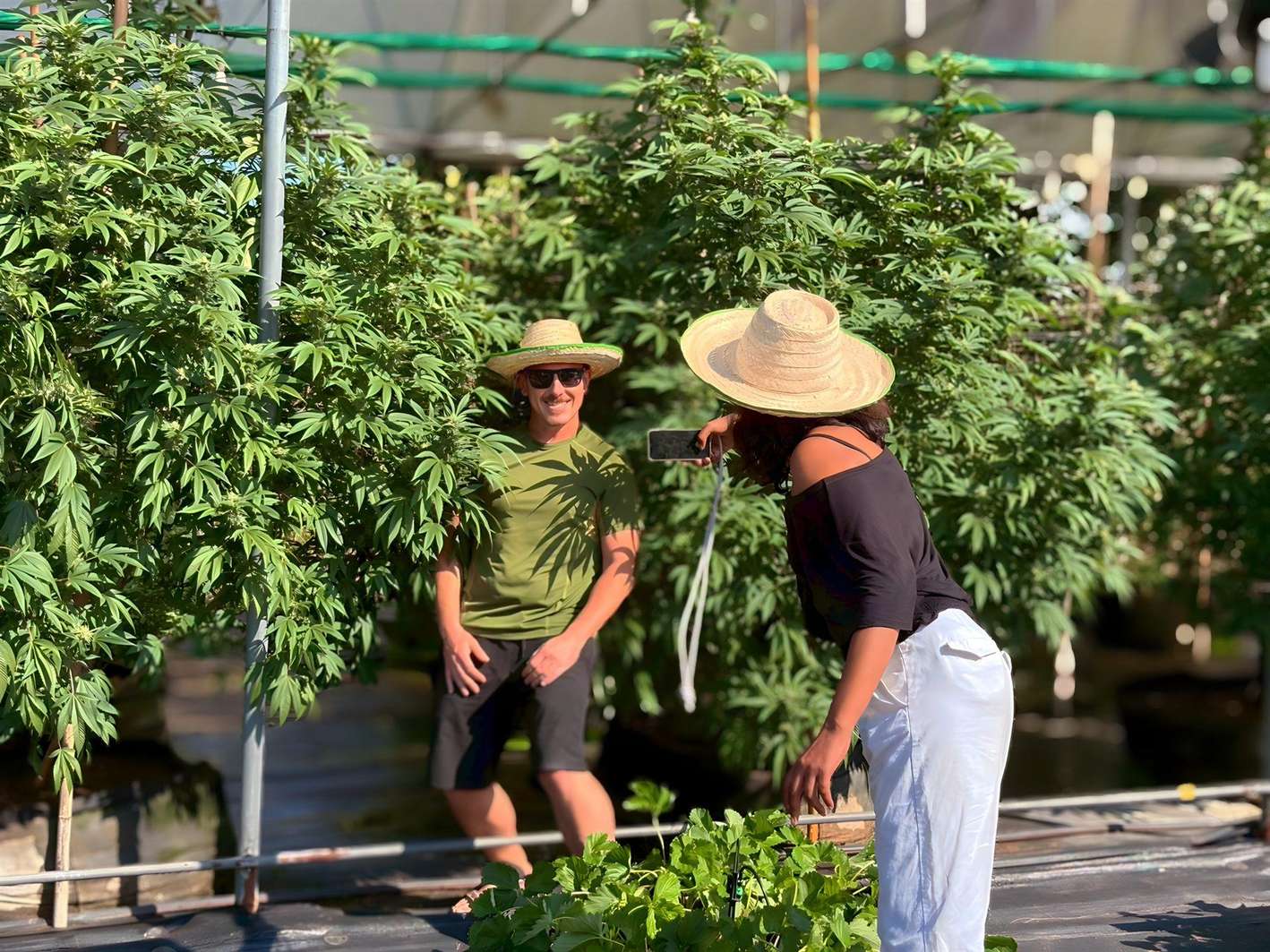
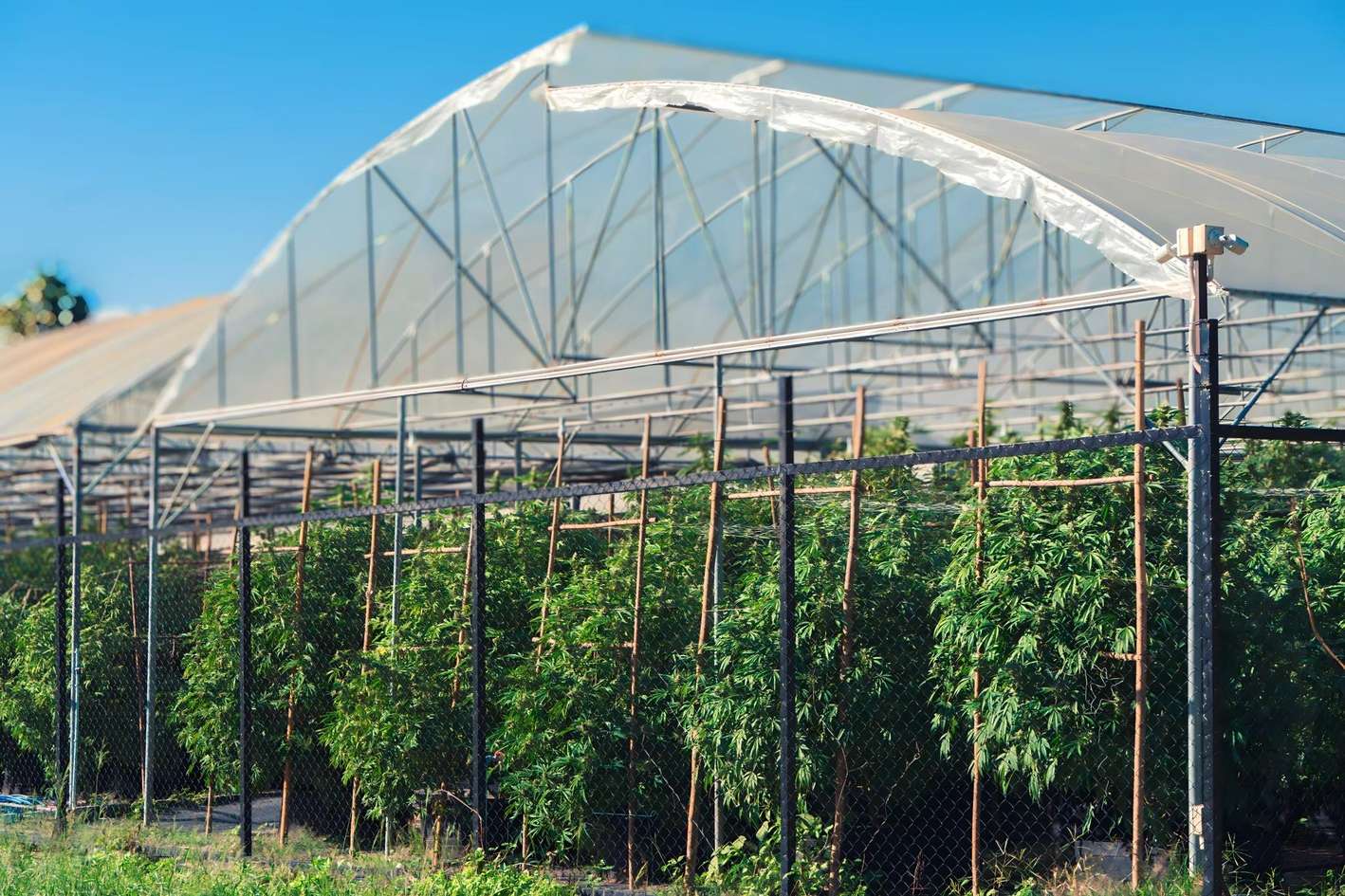
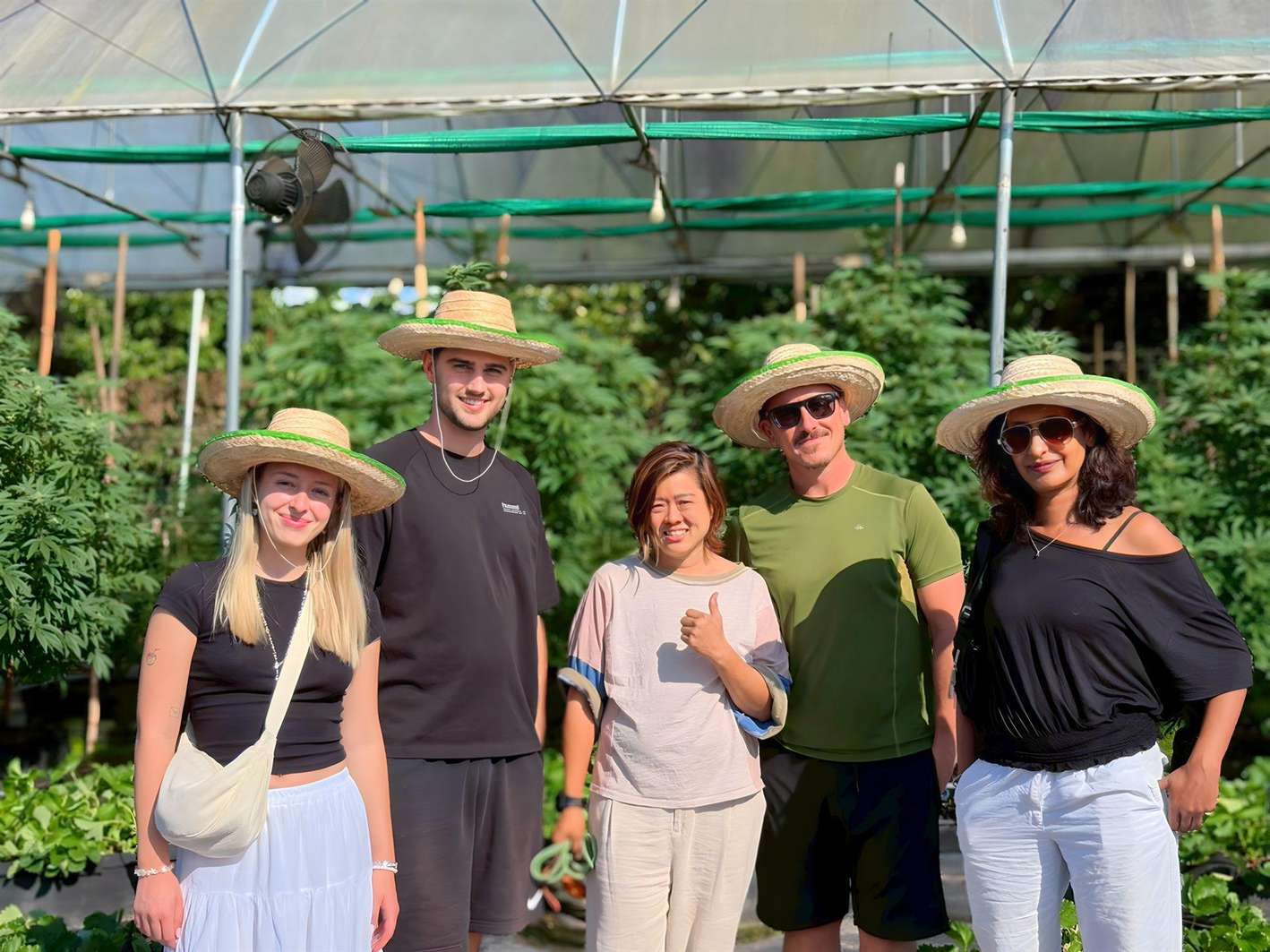
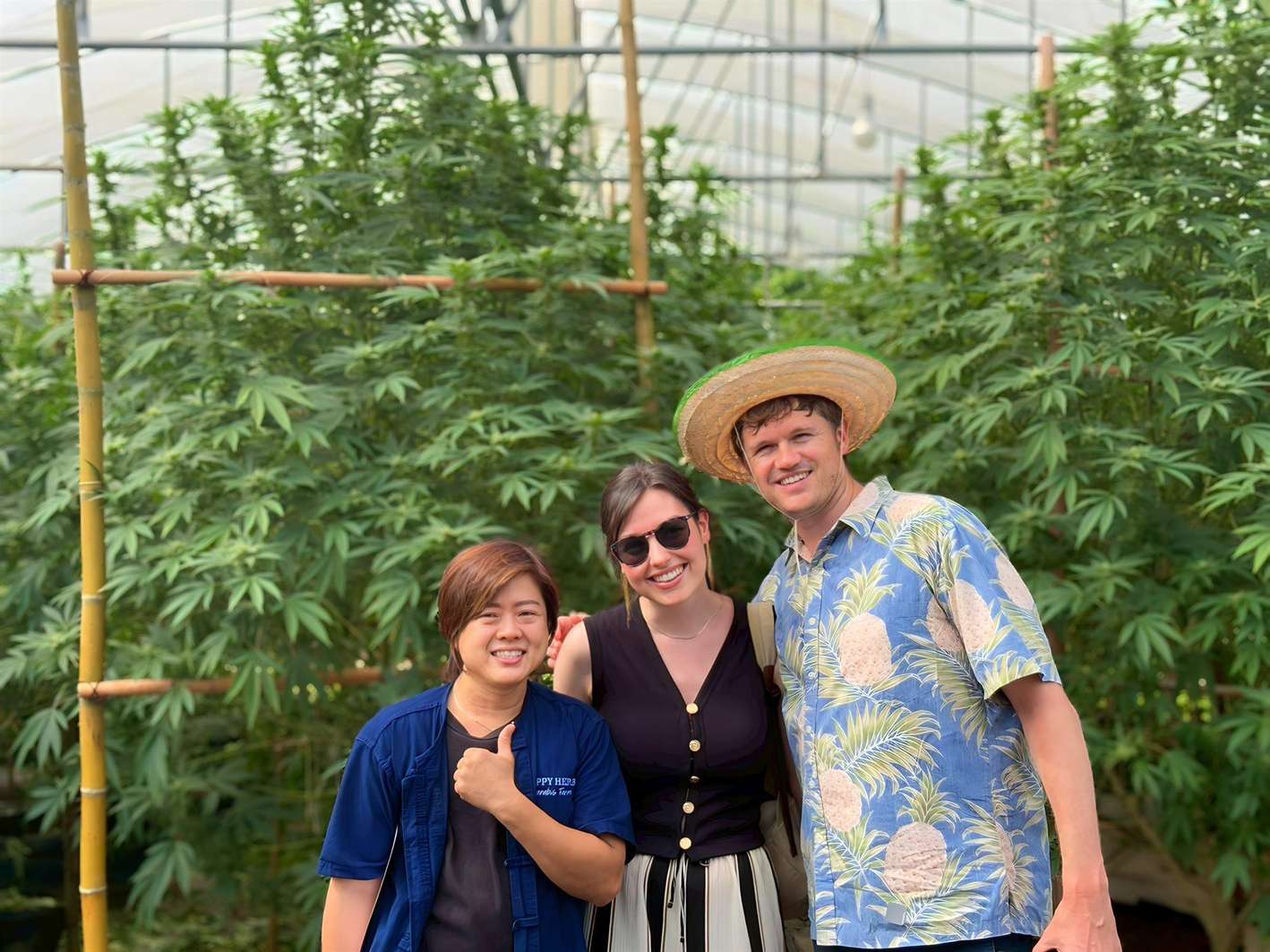
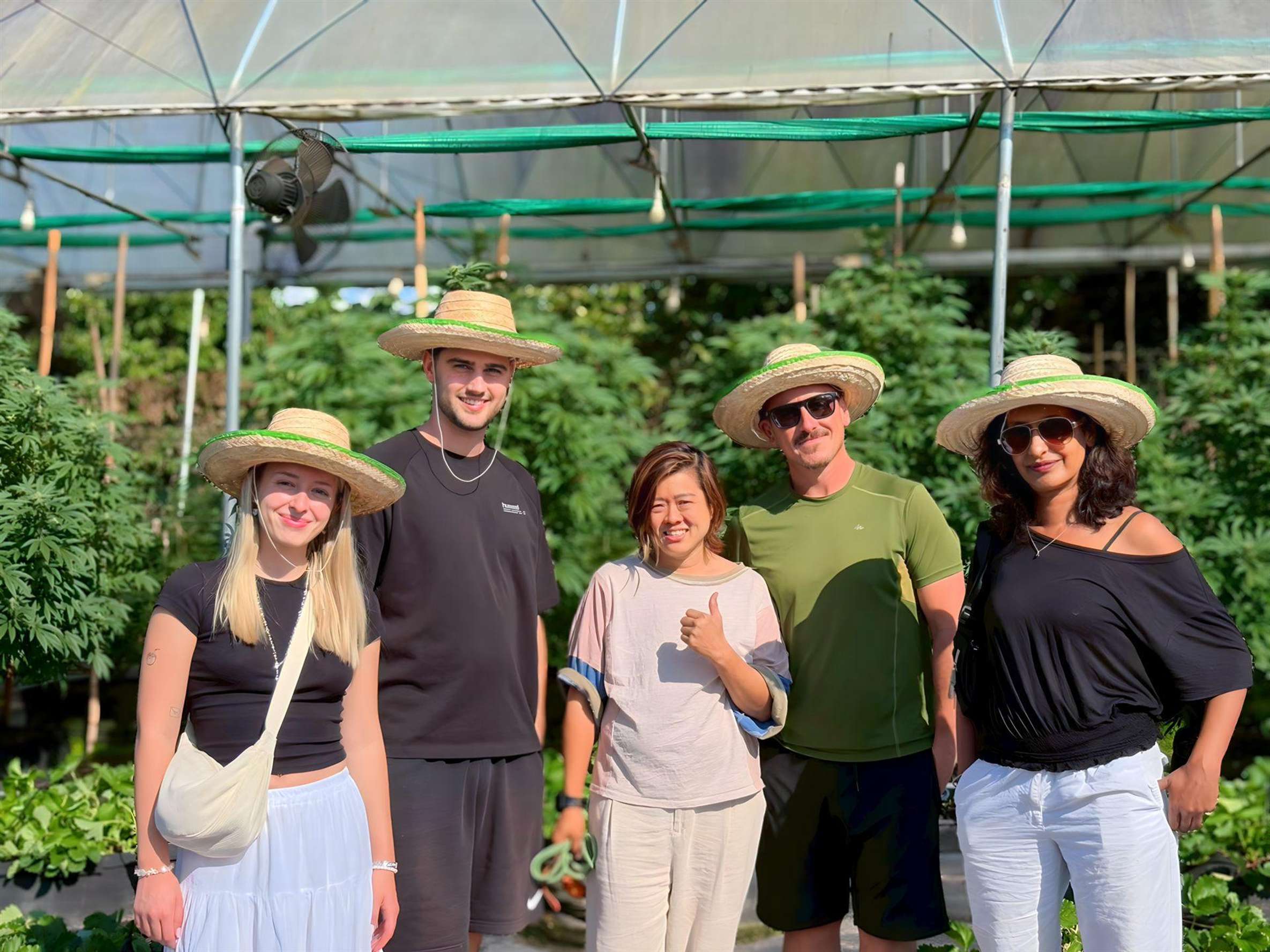
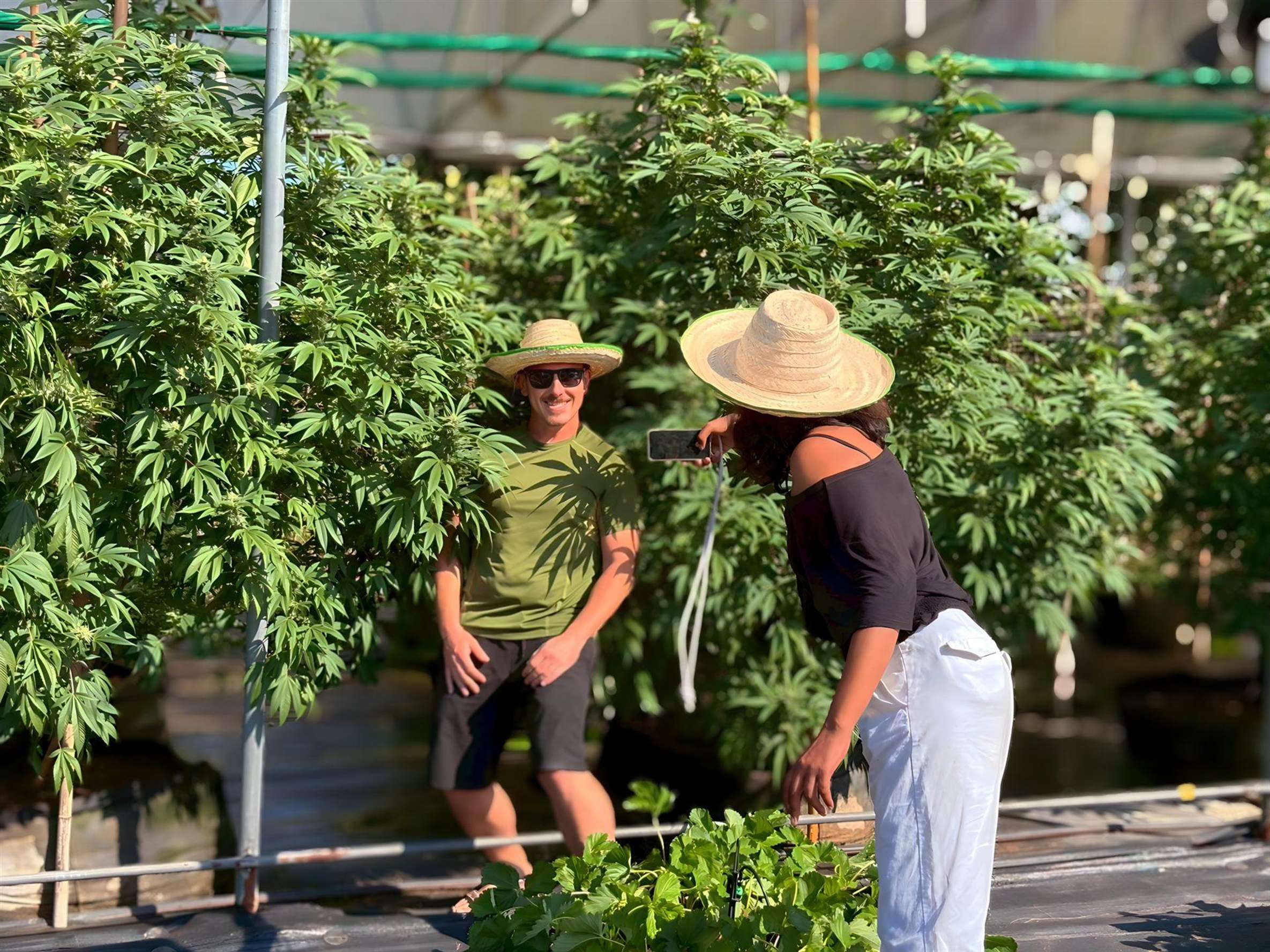
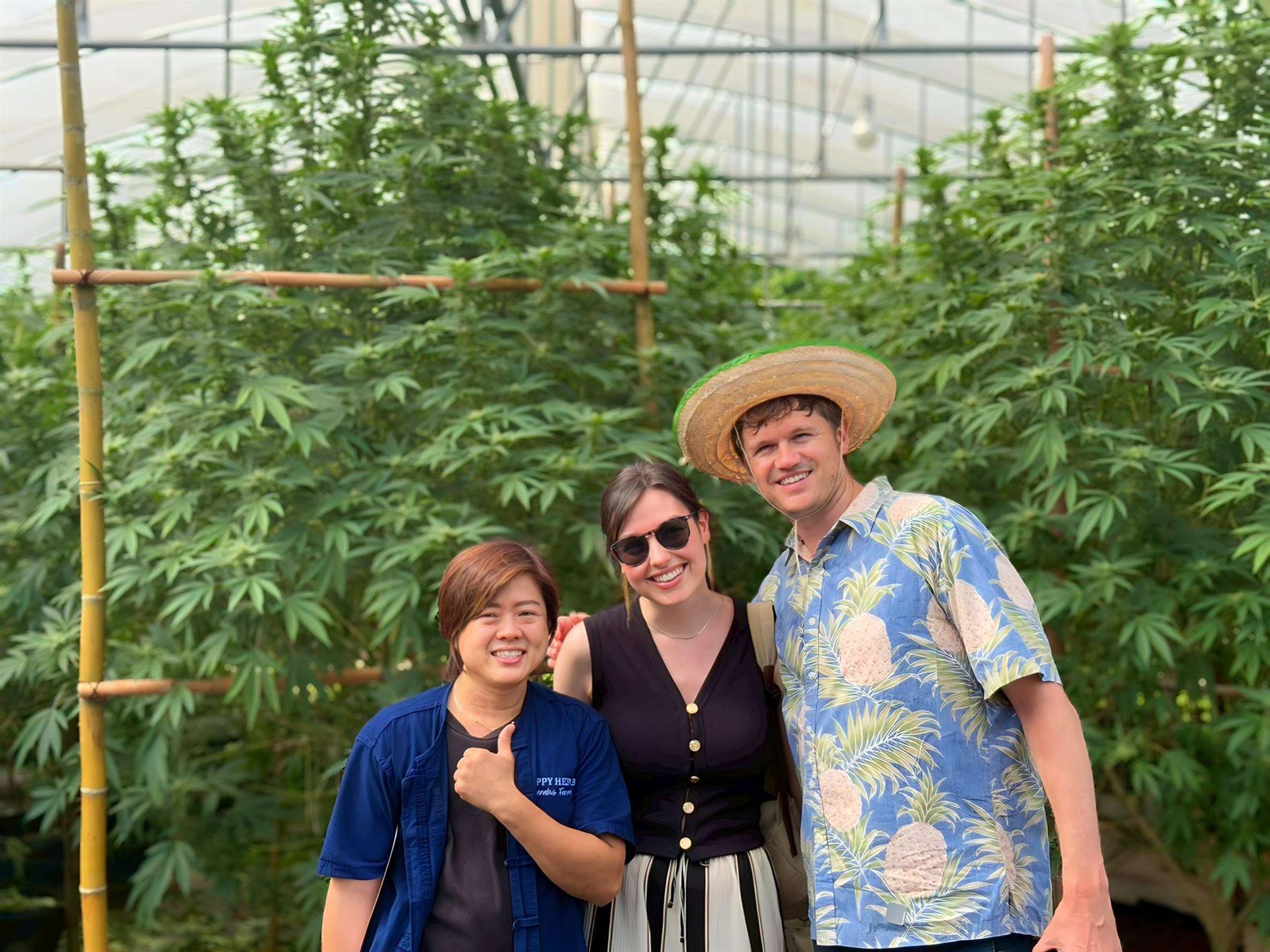
The fields come first. A guide leads you through the herbal cannabis fields of Happy Herb Cannabis Farm, a licensed farm in the green hills outside Chiang Mai, explaining how the plants are grown and where they sit in Thai traditional medicine. Photography is welcome in the farm's designated areas.
A Cannabis 101 session covers Thai cannabis law and cultivation, then a Thai lunch is served before the drive back to town. The tour is strictly educational: no cannabis products are included, sampled or distributed, and no alcohol comes aboard. Round-trip hotel transfers in Chiang Mai city and bottled water are part of the booking.
PickupMueang Chiang Mai DistrictFrom this tour2Muang Chiang Mai· 150 minHappy Herb Cannabis Farm, a licensed herbal cannabis farm. Walk the fields with an English-speaking guide, learn cultivation techniques and Thai law, then eat a Thai lunch.Drop-offMueang Chiang Mai DistrictFrom this tour
Included
Round-trip hotel transfer (Chiang Mai city)English-speaking guideGuided educational tour of a licensed cannabis farmCannabis 101 session: Thai cannabis law and cultivationThai lunchBottled water
Not included
Any cannabis productsGratuitiesPersonal expenses
What travelers said after a cannabis farm tour in Thailand
Both reviewers praise the punctual pickup and the farm itself, calling the greenery the most beautiful they have seen.
Best surprise
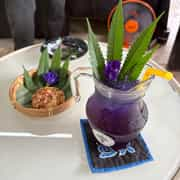
Many travelers were surprised by the small fruit and vegetable garden beside the fields and by brewing cannabis tea on site.
Most common wish
A few reviewers wished the walkthrough of the growing cycle and Thai cannabis culture had gone on even longer.
How to book a cannabis farm tour in Thailand
01
Pick your date and book early
Choose a date on the calendar and confirm. Morning slots are the norm here: hotel pickups run between 8:30 am and 9:30 am, so plan the night before free of late plans. Both Chiang Mai tours let you cancel up to 24 hours ahead for a full refund.
Pro tipBook a date with clear weather forecast, then keep the free 24-hour cancellation as your safety net if storms roll in
RecommendedMornings give you the coolest greenhouse hours and the best light inside the fields, before afternoon heat pushes past 30°C
02
Choose the tour that fits your day
Two formats run from Chiang Mai. The standalone guided farm tour takes about 3 hours and covers the fields, cultivation talk and a Cannabis 101 session. The longer option pairs the licensed farm walk with a hands-on Thai cooking class and runs a full 9 hours.
Pro tipThe cooking class version adds four dishes at your own station, a take-home herbal sachet and a recipe e-book, so you leave with more than photos
Common mistakeFirst-timers assume the full-day tour means consuming cannabis. Neither tour includes it. Both are strictly educational and wellness focused
03
Pay and read your confirmation
After payment a confirmation arrives with your booking details. Round-trip hotel transfers within Chiang Mai city are included on both tours, and the exact pickup time is confirmed by message the evening before you go.
Pro tipKeep your phone on the evening before, because the operator messages the exact pickup window then and that is the time that counts
Common mistakeAssuming you can wander off at the end and grab a Grab from the farm. Ride-hailing is effectively unavailable in rural districts, so let the included transfer take you back
04
Check your ID and your party
These farm visits are for adults aged 20 and over only, and photo ID may be requested on arrival, so pack your passport. The rule holds even if nobody in your group plans to touch cannabis, since the tours permit no consumption at all.
ImportantTravelers under 20 cannot join either tour, even as non-participants, so arrange something else for teenagers that day
Pro tipOn the cooking class tour, tell them about allergies or dietary needs when booking. Vegetarian, vegan, halal and gluten-free menus are available on request
05
On the day, dress for the fields
Wear closed shoes with solid grip, because farm ground is uneven and frequently wet from irrigation. Light, breathable long sleeves work best, and skip white clothes, since farm soil leaves permanent stains.
RecommendedBring a wide-brimmed hat, sunscreen and bug spray, and be ready to change footwear or wear provided protective gear at bio-secure greenhouse entries
Common mistakeFilming everywhere. Photography is permitted only in designated areas of the farm, so wait for your guide to point out where
What to know before you book a cannabis farm tour in Thailand
Can stop the dayGood to knowGood news
01
ChoosingWhat it is, who it suits, when to go
3
No consumptionCan stop the day
Farm tours in Chiang Mai are educational and wellness-focused only. Nothing is smoked, sampled, or handed out on site, and no cannabis products are part of the booking. Alcohol and drugs are banned on the tour.
Duration
The standalone guided farm tour runs about three hours, with roughly an hour of travel each way from central Chiang Mai. The cooking class combo fills a full day, around nine hours door to door.
Cooking class
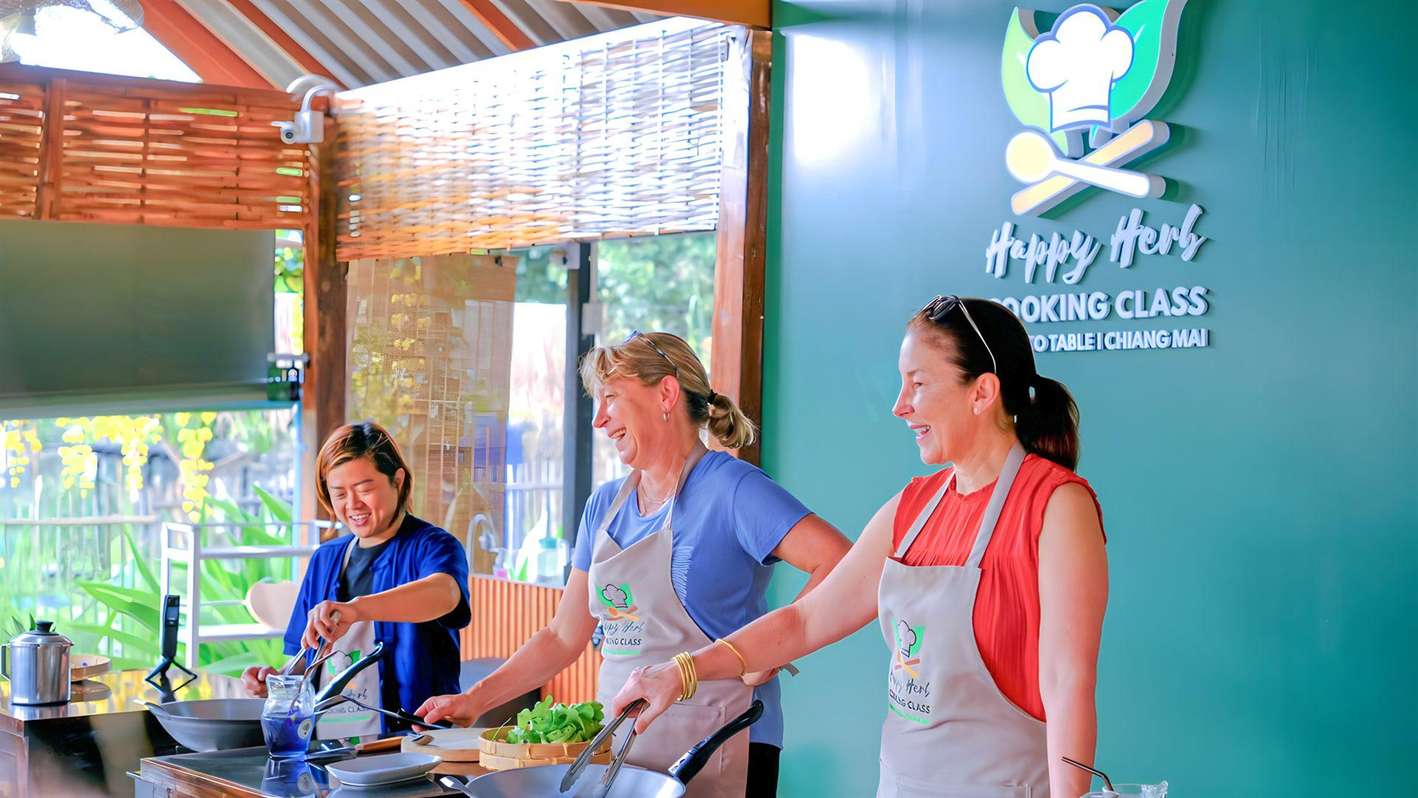
The full-day option pairs the farm visit with cooking four Thai dishes and one drink at your own station. Tell the operator about allergies when booking, because vegetarian, vegan, halal, and gluten-free menus are cooked on request. A take-home herbal sachet and recipe e-book come with it.
02
BookingHow far ahead, and what happens if plans change
1
Cancellation
Both tours let you cancel up to 24 hours before the start time for a full refund, so a change of plan in Chiang Mai costs nothing if you tell them a day ahead.
03
Before you goPapers, health, what to bring
4
Age limitsCan stop the day
Thai farm tours run for adults aged 20 and over. Anyone younger cannot join, even with a parent and even without consuming anything. Bring photo ID in case the farm checks it on arrival.
Documents
Carry your passport or a photo ID on the day. Farms may ask for it at the gate, and the cooking class tour lists ID checks in its booking notes. Leave it in your day bag, not the hotel safe.
Taking home
Do not buy cannabis flower, seeds, or plant parts to fly home with. Exporting cannabis from Thailand without official permits is illegal, with penalties that can reach years in prison, heavy fines, and confiscation of the goods.
What to wear
Wear sturdy closed shoes with grip, because sandals and flip-flops are prohibited on the farm grounds. Lightweight long sleeves and a hat handle the sun and the greenhouse humidity. Some farms issue protective overcoats and caps at a dedicated entry station before you walk the greenhouses.
04
On the dayWhere to be, when, and how you get there
1
Pickup
Round-trip hotel transfers in Chiang Mai city come with both tours, and pickup lands between 8:30 am and 9:30 am. The exact time arrives by message the evening before, so keep your phone on.
05
During the tourWhat is expected of you
1
Photos
Photography is allowed in designated areas of the licensed farm only. Ask your guide where you can point the camera before the walk starts, and keep it down inside the bio-secure production rooms.
A cannabis farm tour in Thailand - the whole day, explained
Chiang Mai has licensed, GAP-certified cannabis farms that welcome visitors openly, yet Thailand's rules around them changed in June 2025. The hours on the farm, the dress code, the transfer and the legal lines all shape the day before it starts.
Chiang Mai· 18.81° N, 98.95° E
If you only remember three things
1
Book the morning slot: pickup between 8:30 am and 9:30 am, farm walk by 9:30 am, done before the midday heat.
2
No farm tour in Thailand includes smoking or sampling; the visit is education and wellness only.
3
Never pack seeds, flower or infused products; taking cannabis out of Thailand can mean prison time.
Is a cannabis farm tour in Thailand worth your day?
The first thing to settle is what kind of visit this is. A licensed farm around Chiang Mai runs on government licensing and, in the best cases, GAP certification, the Thai agricultural standard that keeps planting areas clean and keeps pesticides below legal residue limits.
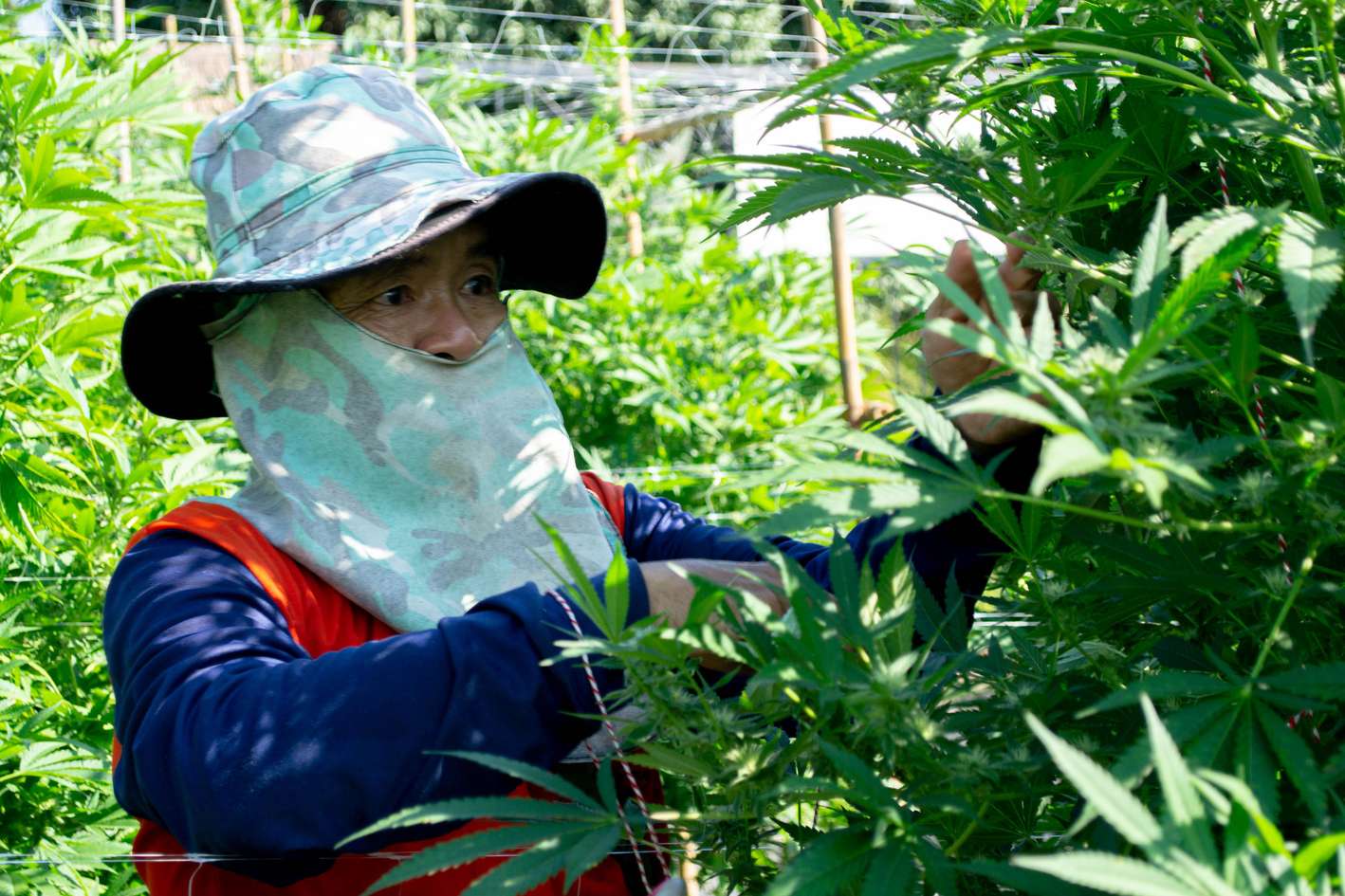
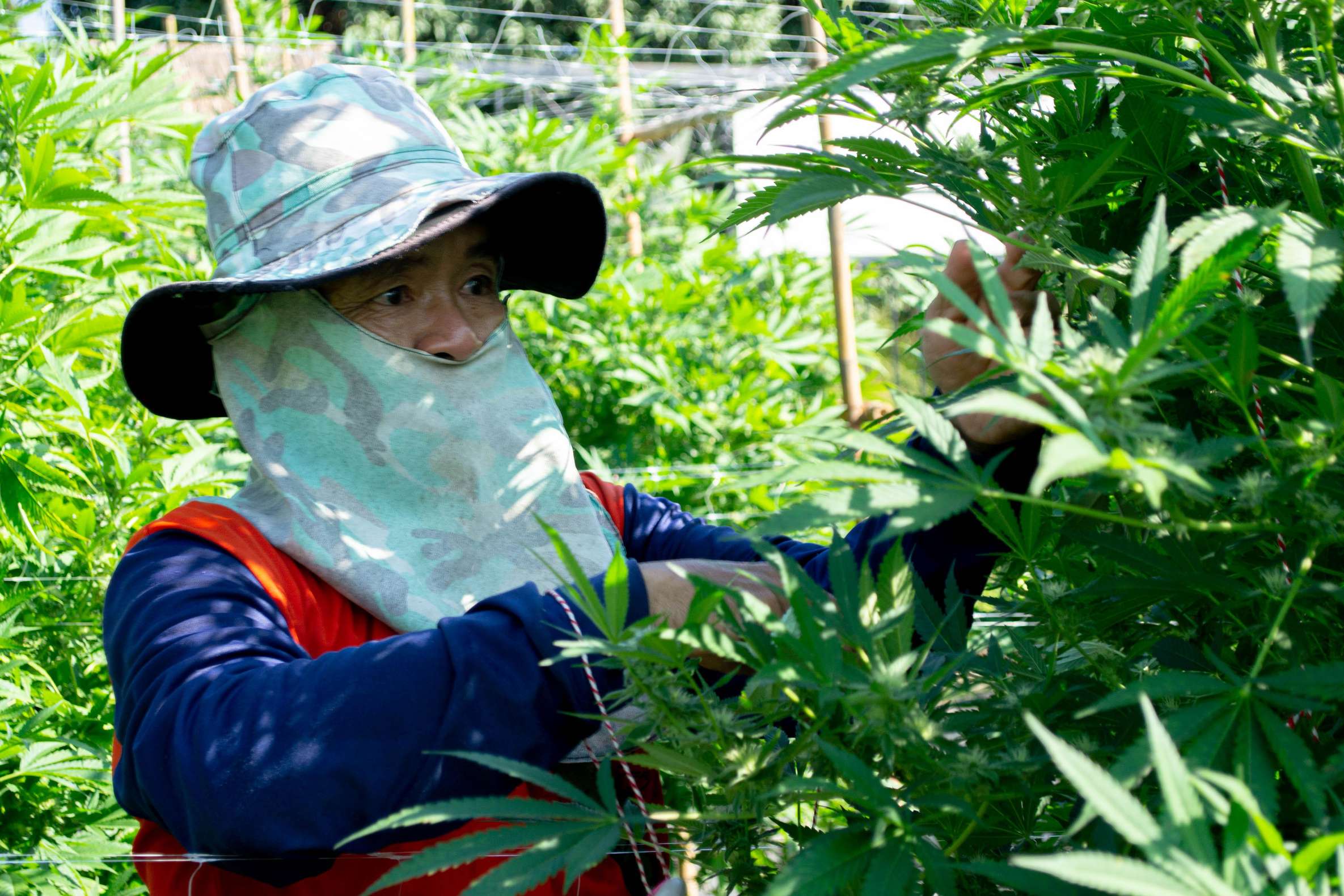
The guide walks you through the fields and greenhouses and explains how the plant fits into traditional Thai herbal medicine.
Nobody smokes on these tours. No consumption, sampling or distribution of cannabis products is permitted, which surprises people who arrive expecting a smoke session. Non-smokers get the same day as anyone else: cultivation methods, the science of the plant and Thai herbal tradition, with nothing to smoke.
The legal picture underwrites the whole day. Cannabis flower became a controlled substance in Thailand on 23 June 2025, and recreational use has never been legal here.
Cultivation, though, remains lawful under a licensing system, which is what you are visiting. The farm exists legally; what you can legally do as a tourist is look, learn and listen.
What people wrongly assume about Thai farm tours
MythA farm tour means legal recreational smoking
Reality
No Thai farm tour permits any consumption, sampling or distribution on site; the visit is educational and wellness-focused.
MythYou can buy buds straight from the farm
Reality
Selling cannabis flower to individuals requires a Thai prescription from a licensed medical practitioner, so no tour ticket includes anything to take away.
MythIt is only for cannabis users
Reality
Non-smokers visit these farms to learn about the plants, the science and the cultivation techniques; the tour suits anyone curious about Thai agriculture.
So the day stands on its own as a genuine Thai experience: a working farm, an English-speaking guide, herbal traditions that predate any dispensary.
Tour for this
Chiang Mai: Happy Herb Cannabis Farm Guided Tour5.0★ (2) · 3 hours · Hotel pickup · Free cancellation
How do you pick the right Thai cannabis farm tour?
Two shapes of day exist around Chiang Mai, and the choice comes down to how much of it you want. The shorter version runs about three hours: pickup from your hotel, a guided walk through herbal cannabis fields, a Cannabis 101 session on Thai law and cultivation, lunch, and back by early afternoon.
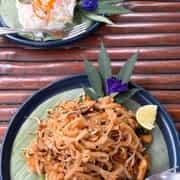
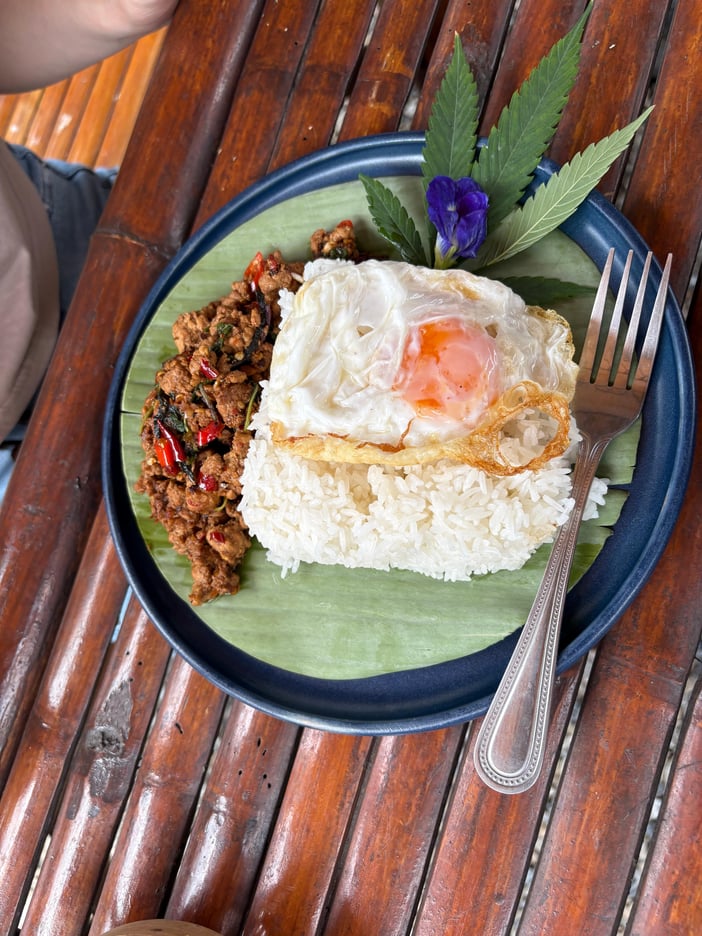
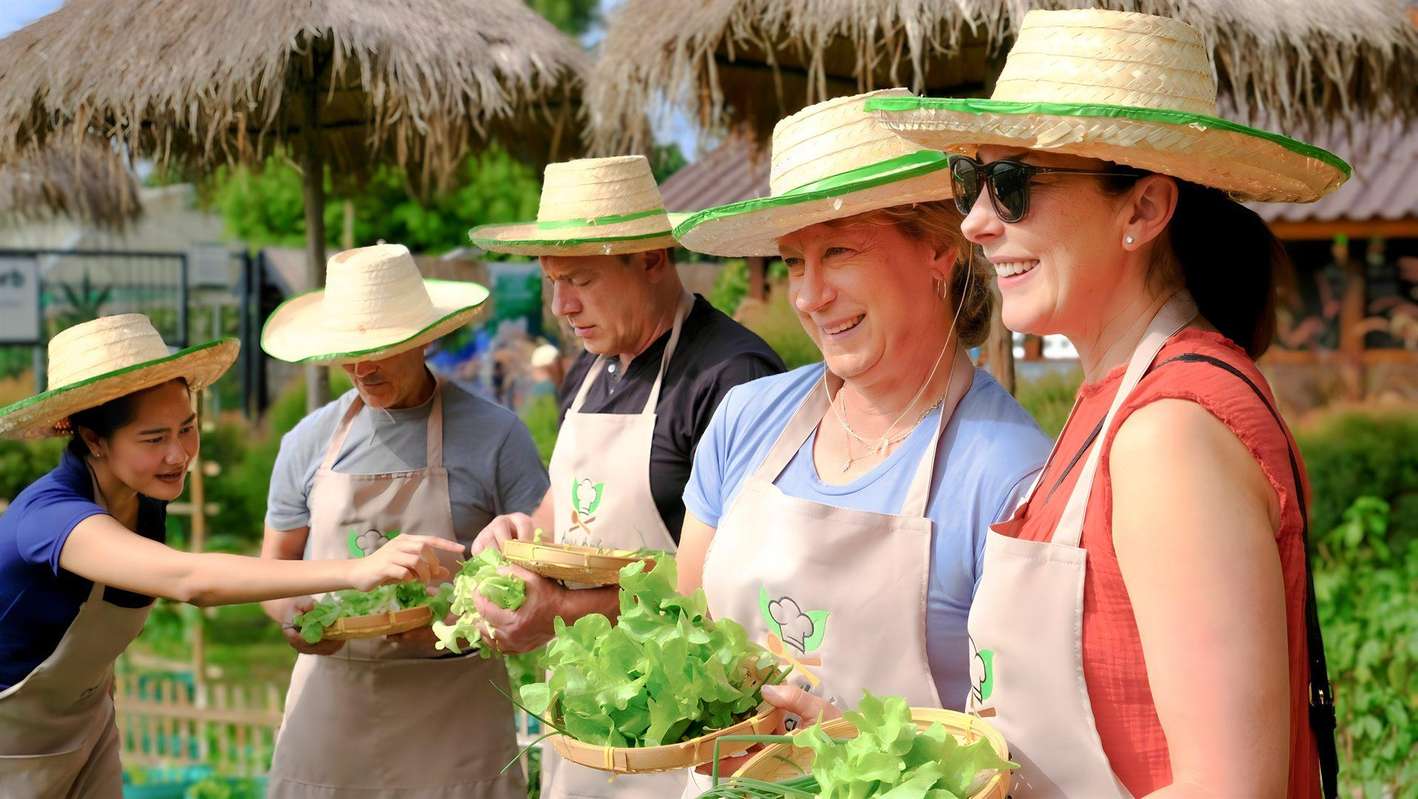
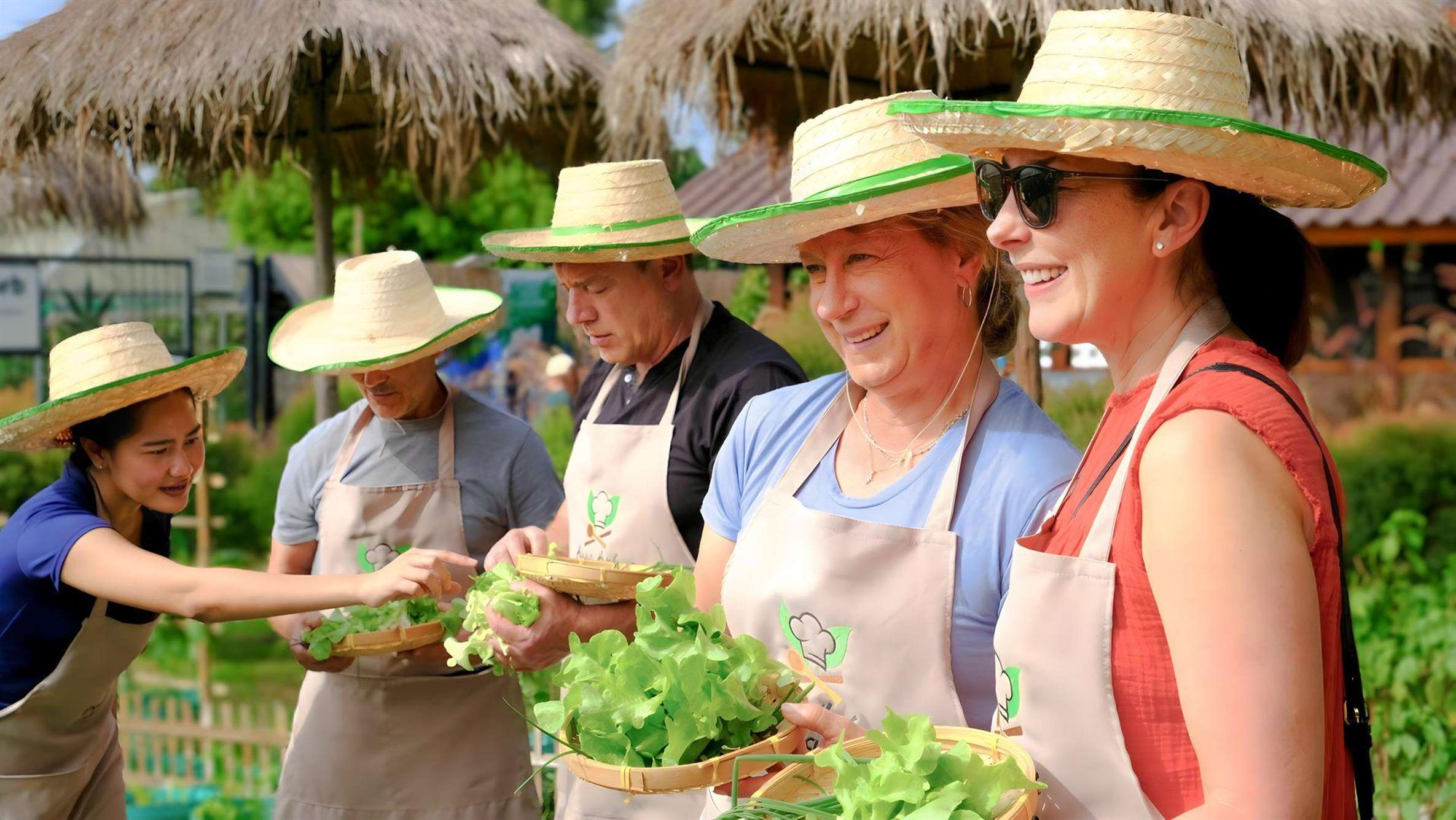
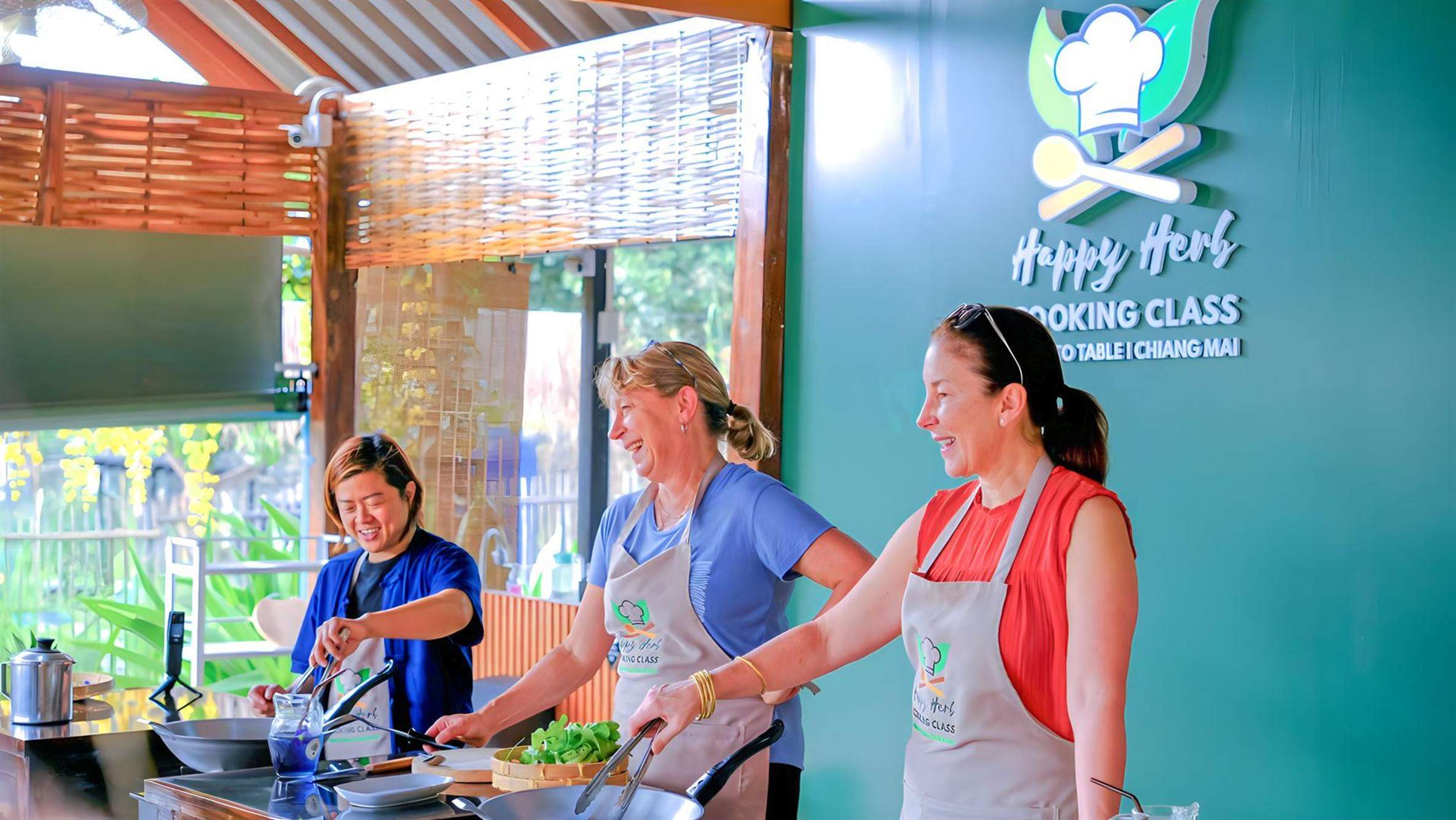
The longer version turns it into a full nine-hour day. The Chiang Mai: Licensed Cannabis Farm & Thai Cooking Class starts at a government-licensed, GAP-certified farm, then moves to an organic garden where you harvest herbs and cook four traditional dishes and a drink at your own cooking station.
You leave with a blended herbal sachet and a recipe e-book.
Both tours include round-trip hotel transfer within Chiang Mai city and an English-speaking guide, so language and logistics need not enter your decision. What differs is depth: the farm walk alone, or the farm plus hands-on cooking with vegetarian, vegan, halal and gluten-free menus on request.
How to choose a cannabis farm tour in Thailand
Check
Why it matters
Our pick
Farm licensing and certification
A licensed farm keeps you on the right side of Thai regulation; GAP certification means tested soil and low pesticide use.
The cooking-class tour visits a government-licensed, GAP-certified farm.
Transport from the city
Rural farms sit about an hour from central Chiang Mai, so included transfers save real planning.
Both tours include round-trip hotel transfer within Chiang Mai city.
Hands-on activities
A walk tells you about the plant; harvesting and cooking let you use it.
The cooking-class tour adds harvesting in the organic garden and four dishes at your own station.
Culinary inclusions
Farm-to-table food turns the day into a meal as well as a lesson.
Both tours include a Thai lunch; the combo adds a welcome drink, herbal tea and your own cooked dishes.
Guide language
An English-speaking guide makes Thai herbal wisdom land properly.
Both tours include an English-speaking guide.
Age rules
Thai cannabis farms admit adults only, and rules can stop the visit at the gate.
Both tours are for adults 20 and over; photo ID may be requested on arrival.
The three-hour tour is the one to book if the farm is an addition to a busy itinerary. The nine-hour combo is the one people remember.
What happens on a farm tour in Thailand, hour by hour?
The day starts at your hotel door. Pickup runs between 8:30 am and 9:30 am, with the exact time confirmed by message the evening before, and the drive out of Chiang Mai takes about an hour.
That timing is deliberate: morning hours before 11 am bring the coolest greenhouse temperatures and the strongest natural light inside the glass.
At the farm, the guide leads you through the fields, from young plants to harvest-ready rows, explaining cultivation techniques as you go. The Cannabis 101 session covers Thai cannabis law and the plant's traditional uses in Thai medicine, which is where the day stops being a garden tour and becomes something more particular.
Expect a little ceremony at the edges. Welcome drinks and herbal tea appear on these tours, and the cooking-class version ends with a sachet of herbs blended by hand to take home. Nothing is consumed, so the senses you use are sight and smell.
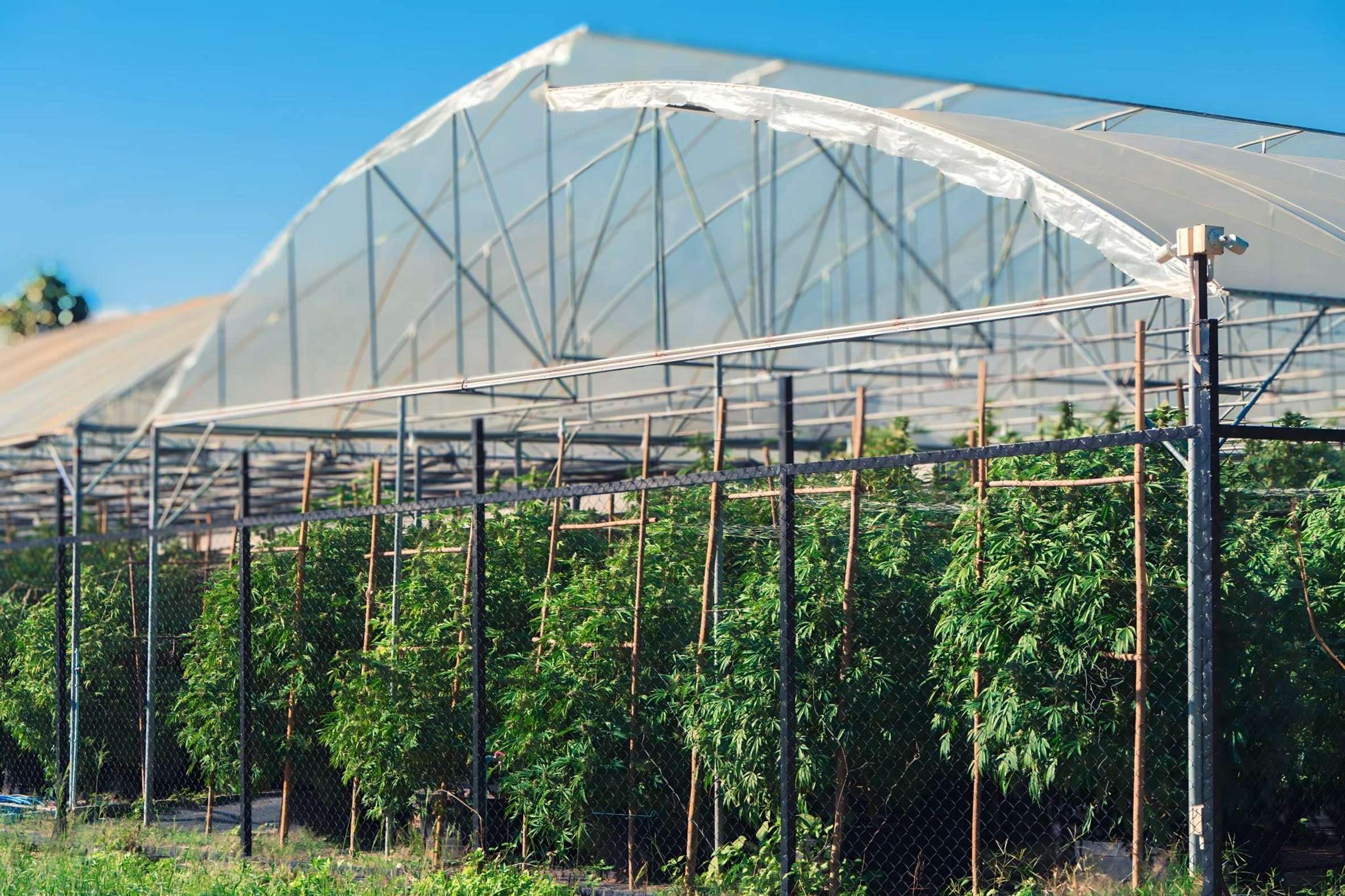
Photography is permitted only in designated areas of the farm. In the greenhouse itself, biosecurity rules apply at the door: visitors change footwear at an entry station and put on protective overcoats and caps, because dust, hair and microbes are the enemy of a clean grow room.
How the day unfolds
1
8:30 am to 9:30 am
Hotel pickup, confirmed by message the evening before
Round-trip transfer within Chiang Mai city, about an hour to the farm each way.
2
9:30 am to 11:30 am
Guided farm walk through the fields and greenhouses
The coolest hours of the day, with the clearest light inside the glass.
3
Midday
Cannabis 101 session, then Thai lunch
Law, cultivation and traditional Thai herbal uses, explained by an English-speaking guide.
4
Early afternoon
Return to Chiang Mai
The three-hour tour is back by early afternoon; the cooking-class day runs to about nine hours.
The Chiang Mai: Happy Herb Cannabis Farm Guided Tour is the version to book for exactly this shape of day: three hours, farm walk, Cannabis 101, lunch, and back before the afternoon heat builds.
By the time you are back in the city, the afternoon is still yours.
Tour for this
Chiang Mai: Happy Herb Cannabis Farm Guided Tour5.0★ (2) · 3 hours · Hotel pickup · Free cancellation
When should you visit a Thailand farm, and what is growing?
What you see in the fields depends heavily on your month. Chiang Mai's greenhouses hit peak flowering from August through November. September is the working month, when wet-season greenhouse crops are harvested, and late November through December brings a second harvest window for regional photoperiod strains.
Cannabis cultivation stages across Thailand by month
January: 5 out of 5 for crop growth stage. Dry-season harvest and curing
HighestAug to Jan
In betweenMar to Apr, Jun to Jul
LowestFeb
Darker: a higher crop growth stage score, out of 5
Tap a month to read it.
Read that against the calendar and a pattern emerges. The cool, dry months from November through February give the best conditions for late-year flowering and harvesting, and they happen to be the most comfortable months for walking a farm.
September gives you the most action, plants being cut and processed, at the cost of wet-season humidity.
One month needs a caveat. February through April is northern Thailand's agricultural burning season, and the farms stay open, but the air quality outdoors drops sharply.
Fine particulate readings climb to the year's worst in March and April, so if your lungs object to haze, that is the stretch to trade for a later trip. The greenhouses themselves keep their regular schedules through it all.
A quiet detail for anyone who cares about the plant itself: Northeast Thailand preserves traditional landrace varieties such as Squirrel Tail and Tiger Tail, and one of them, Hangkrarok Manao, is officially registered as National Heritage.
Licensed Chiang Mai farms grow under a licensing system, and the landraces live on with smallholder families in the northeast, which tells you how deep the herb's roots here run.
What should you wear to a Thailand cannabis farm and greenhouse?
This is a working farm, and the ground decides your shoes. Farm soil is uneven and stays wet from irrigation, so closed shoes with solid grip are required; sandals and flip-flops are prohibited for walking safety. Leave the white sneakers at the hotel too, because farm soil leaves permanent stains on light fabric.
What to wear for Thai cannabis farm and greenhouse tours
Closed shoes with gripFarm ground is uneven and saturated with irrigation water, making sandals or open flip-flops slippery and hazardous.
Breathable long sleevesLightweight long-sleeved layers shield skin from tropical sun while keeping you cooler in humid greenhouse conditions.
Dark or stain-friendly clothesFarm soil creates permanent stains on light fabric, so avoid white clothes and delicate garments.
Wide-brimmed hatCrucial for shielding your head, neck, and eyes during extended walks across uncovered cultivation fields.
High-SPF sunscreenProtects exposed skin against intense midday ultraviolet exposure in open outdoor plots.
Insect repellentWorking agricultural plots and moist greenhouse settings naturally attract mosquitoes and biting bugs.
The greenhouse adds its own layer. At bio-secure facilities you change footwear at a dedicated entry station and put on the protective overcoats and caps provided, so the fields are where your own choices count.
For the outdoor rows, think light layers over coverage: breathable long sleeves against the tropical sun, a wide-brimmed hat, sunscreen and bug spray. The fields are uncovered, and the midday sun burns even in cooler months.
One last habit worth copying from people who go often: darker, older clothes for the farm, and a dry change packed for after. Muddy red soil and humidity make themselves felt on anything you wear, and the ride back to Chiang Mai is more pleasant out of the day's outfit.
How do you get to a rural farm in Thailand?
The easy way is the one already in your ticket. Both Chiang Mai farm tours include round-trip hotel transfer within the city, with pickup between 8:30 am and 9:30 am and the exact time messaged to you the evening before.
The guided farm visit itself runs about three hours; budget about four and a half hours door to door for the half-day, or nine for the cooking-class day, because the farm sits roughly an hour from central Chiang Mai each way and the transfer time sits outside the tour clock.
Going independently is possible, with a catch. Ride-hailing apps cover outer districts like Mae Rim and San Sai from the city, and green songthaews run northeast toward San Sai and Mae Jo, but the fixed-route trucks stay on main roads, so reaching a rural farm means hiring a private songthaew or transferring to a taxi.
Self-drivers can follow Route 1001 to San Sai or Routes 11 and 1096 to Mae Rim.
Pro tipRide-hailing drivers are scarce for the return trip from rural districts Arrange your ride back to the city before you leave.
Grab is effectively unavailable in rural districts, and drivers for a return pickup can be genuinely hard to find. Chartered taxis arranged through your hotel, or the tour's own transfer, remove the problem entirely.
If you drive yourself, keep the morning slots in mind; the farm walk and the road both sit best before the midday heat.
Driving yourself
Rent a car in Chiang MaiCompare cars from the rental companies in one search, then pick yours.
What are the legal rules for a Thailand farm visit?
The rules are simpler than they look once you sort them into three lines. The first line covers the tour itself: visiting a licensed farm is lawful, because cannabis cultivation in Thailand runs on a licensing system and is not treated as a narcotics offense.
Your ticket needs no prescription and no paperwork beyond, for adults 20 and over, a photo ID that may be requested at the gate.
The second line covers what you can carry. Tourists are strictly prohibited from buying or carrying cannabis flower without a valid prescription issued in Thailand by a licensed medical professional in Thai traditional medicine, Chinese medicine or dentistry.
That is why no tour includes any product to take away, and why the farm gift question has a short answer: bringing cannabis seeds or plant parts into or out of the country for personal use is not allowed.
The third line is the one with teeth, and it is about leaving. Smuggling cannabis or cannabis-containing products out of Thailand under the Customs Act carries penalties of up to 10 years in prison, a fine of up to four times the value of the goods including duties, or both. Confiscated cannabis becomes state property.
Exporting cannabis without customs clearance and permits can mean up to 10 years in prison and fines of up to four times the goods' value
Never pack seeds, flower or infused products in your luggage.
Public smoking sits on its own line. Smoking cannabis in public is forbidden and can draw a fine of 25,000 baht and up to three months in prison, which is one more reason the farm keeps everything on the educational side of the line.
None of this changes what the tour is. It changes what you pack on the way home.
What if the weather turns on your Thailand farm day?
The rainy season runs from roughly June through October, with the heaviest rainfall in August and September.
The shape of a rainy day matters more than the fact of it: rain typically arrives as intense downpours lasting from 30 minutes to two hours in the mid-to-late afternoon or early evening, then clears. A morning farm walk, which is what these tours schedule, usually finishes before the sky opens.
The cooking side of the full-day tour shrugs at rain anyway. Cooking classes in Chiang Mai are commonly held under covered, semi-open-air kitchen pavilions, so a downpour leaves the class running whatever the sky does.
If the weather turns
If this happens
What happens then
Heavy afternoon rain during the wet season
Rain typically arrives as 30-minute to two-hour downpours in the mid-to-late afternoon, and the covered kitchen pavilion keeps the cooking class running.
Unsafe access to the farm
Operators reserve the right to cancel without penalty and will attempt to reschedule the booking.
Plans change on your side
Both tours offer free cancellation up to 24 hours before the start time for a full refund.
Two small checks round out the planning. Some farm tours include entrance fees in the booking while others bill them separately on arrival, so it is worth reading the inclusions line before you pay anything at the gate.
And on Thailand's five major Buddhist holy days and election days, alcohol sales stop nationwide while commercial farm tours stay open; the dry days close the bars and leave the fields working as usual.
With cancellation free up to 24 hours ahead, the cost of booking early is close to nothing.
What else is worth doing near the farm in Thailand?
The farm day leaves you most of a Chiang Mai holiday, and the countryside around the farm district rewards a second look. Queen Sirikit Botanic Garden has landscaped grounds, rare Thai plant collections and an elevated canopy walkway above the forest, which scratches the same greenhouse itch at a bigger scale.
For a viewpoint with lunch built in, Mon Jam is a mountaintop farming community with panoramic views, small shops and on-site dining.
Closer to the city, Huay Tung Tao is a man-made lake ringed by bamboo huts and lakeside dining, and Mae Sa Waterfall offers a series of cascades with forest walking trails in Doi Suthep-Pui National Park.
If your day has room for one oddity, Elephant POOPOOPAPER Park turns elephant dung into paper in an open-air museum where you can make your own sheet. The Bai Orchid & Butterfly Farm sits nearby with its own greenhouse, a neat echo of the morning's.
The pattern worth following: the farm, a garden or waterfall in the same direction, and a lake dinner on the way home. Farm mornings end by early afternoon, which leaves the whole second half of the day for exactly this kind of pairing.
More to book around Chiang Mai
Live dates and prices
Worth a morning, if you go for the plants
A Thai cannabis farm tour earns its slot for the plants and the herbal tradition behind them. The mornings are the best hours, the legal lines are clear, and the cooking-class day is the version worth clearing a full nine hours for.
Book ahead, pack closed shoes and your passport, and leave the luggage empty on the way home.
Go ifYou want to see a licensed, GAP-certified farm and learn Thai herbal traditions in English.You are traveling with adults 20 and over and can show photo ID at the gate.You want a hands-on day with a Thai cooking class woven around the farm visit.
Skip ifYou are hoping to buy or smoke cannabis flower on the tour; no Thai farm tour permits either.You are traveling with anyone under 20, since the tours are adults only.Your dates fall in the February-to-April burning season and poor outdoor air is a problem for you.
Our pick to book
Chiang Mai: Happy Herb Cannabis Farm Guided Tour5.0★ (2) · 3 hours · Hotel pickup · Free cancellation
Straight answers on legality, ages, and what a Thai farm visit actually includes.
Are weed farm tours in Thailand legal for foreign visitors?
Yes, as long as the visit is educational. Licensed farms in Chiang Mai run guided tours for tourists, and growing cannabis remains lawful under Thailand's licensing system. Flower is a controlled substance as of June 2025, so no buying, carrying, or consuming on the tour.
Can you buy cannabis at a Thai farm to take with you?
No. Tourists cannot buy or carry cannabis flower without a valid prescription issued in Thailand by a licensed practitioner. The tours include no cannabis products in the price, and none are handed out.
What happens if I smoke cannabis in public in Thailand?
Keep any consumption private and out of the question on a tour. Smoking in public is forbidden, and penalties can reach a fine of 25,000 baht and up to three months in prison.
Can I take cannabis products home from Thailand in my luggage?
Leave everything behind. Exporting cannabis without permits is illegal, and penalties for smuggling it out on a flight can run to ten years in prison, a fine of up to four times the value of the goods, or both.
How old do you have to be for a Thai cannabis farm tour?
Twenty. Chiang Mai farm tours are restricted to adults aged 20 and over, and this holds even when nobody in your group plans to consume anything. Bring photo ID, since it may be requested at arrival.
Can teenagers join if they just want to watch?
They cannot. The 20-and-over rule applies to every participant, with no exception for non-consuming family members. If you are traveling with teenagers, plan a different activity for that day.
Is a weed farm tour in Thailand suitable for non-smokers?
Very much so. Chiang Mai farm tours are strictly educational and wellness focused, with no consumption or sampling at any point. You learn about the plants, the science, and the cultivation techniques, and nobody is pressured to try anything.
Where in Thailand are outdoor farms located?
Head north. Chiang Mai, Chiang Rai, and Lampang suit outdoor, greenhouse, and highland cultivation, while the commercial indoor grow rooms cluster around Central Thailand and Bangkok. A farm tour in the north means greenhouses and fields rather than warehouse lighting.
Do Thai farm tours include anything from traditional herbal medicine?
Some do. Tours are built around wellness, so you can expect touches like welcome drinks, herbal tea, and a take-home herbal sachet. In Buriram, one wellness center pairs a medical-grade cannabis plantation with traditional Thai healing and doctor consultations.
Are there tours that combine a farm visit with a cooking class?
Yes, one in Chiang Mai pairs a guided walk through a licensed, GAP-certified farm with a hands-on class where you cook four dishes and a drink. A Cannabis 101 session covering Thai law and cultivation sits alongside the cooking, and the whole day runs about nine hours with hotel pickup included.
Are the tours run in English?
They are. Chiang Mai cannabis farm tours include an English-speaking guide, so you can ask the growers questions as you walk the fields and greenhouses.
After a cannabis farm tour in Thailand, see Jamaica