



Cheapest
3 hours·English
3.7(101)
Montego Bay: Private Marijuana Farm Tour with Nursery Visit
Free cancellationHotel pickup includedHotel pickup and drop-off

 189
Book a licensed Montego Bay weed farm tour with hotel pickup and a guided walk from seed to harvest. Skip the unvetted drivers and uncertain fares - your transfer, entry fees and guide are arranged before you leave the resort. Reserve a private farm visit in under a minute.
Montego Bay weed farm visits come in two main shapes: a short private farm walk you can slot between beach hours, and a half-day combo that adds rafting, birds or a swim. The deciding difference is how much of your day you hand over. Cruise guests and resort stayers with a free morning suit the short ones.

Bring a passport or driver's license for every adult in your group, and leave anyone under 18 off the booking.
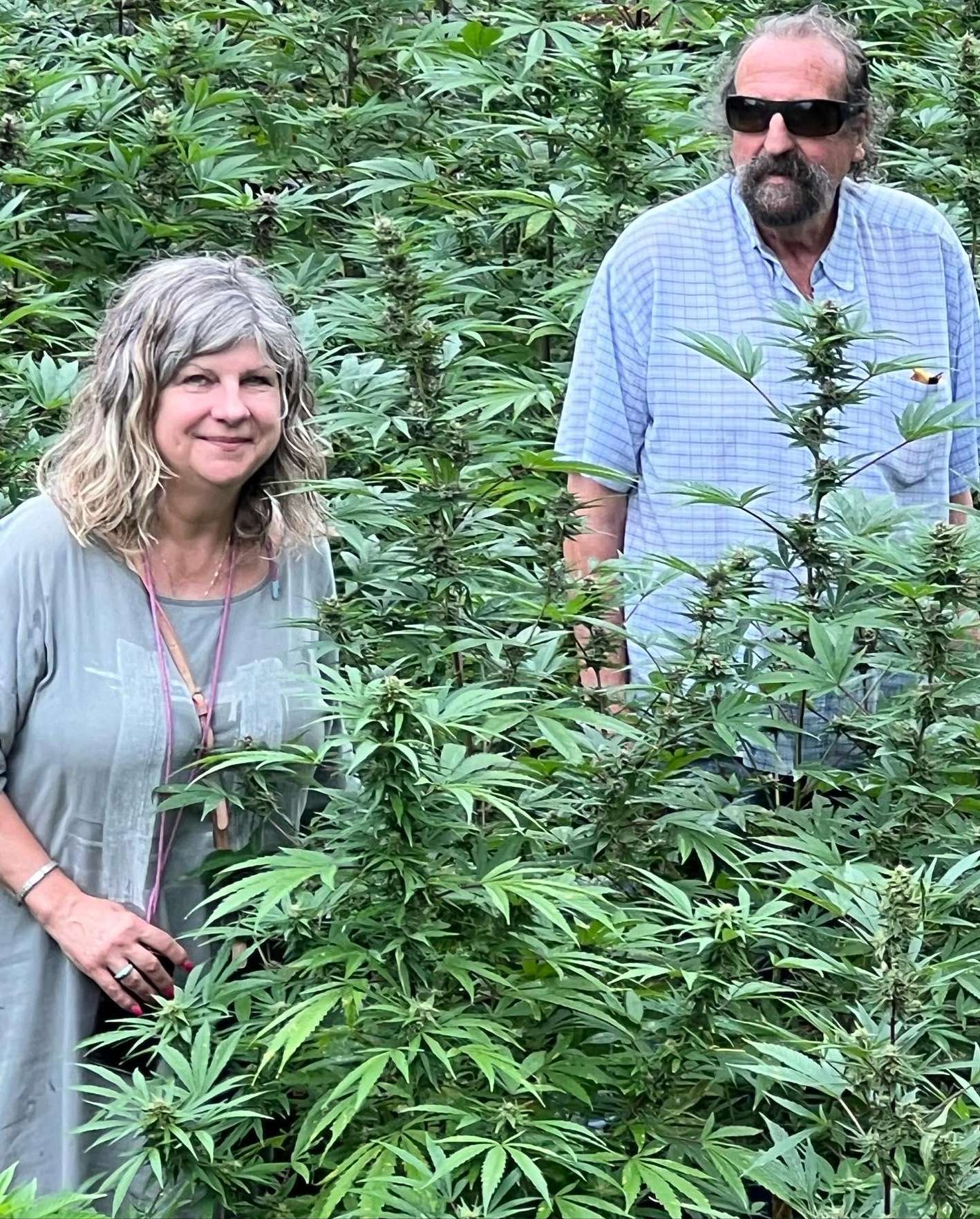
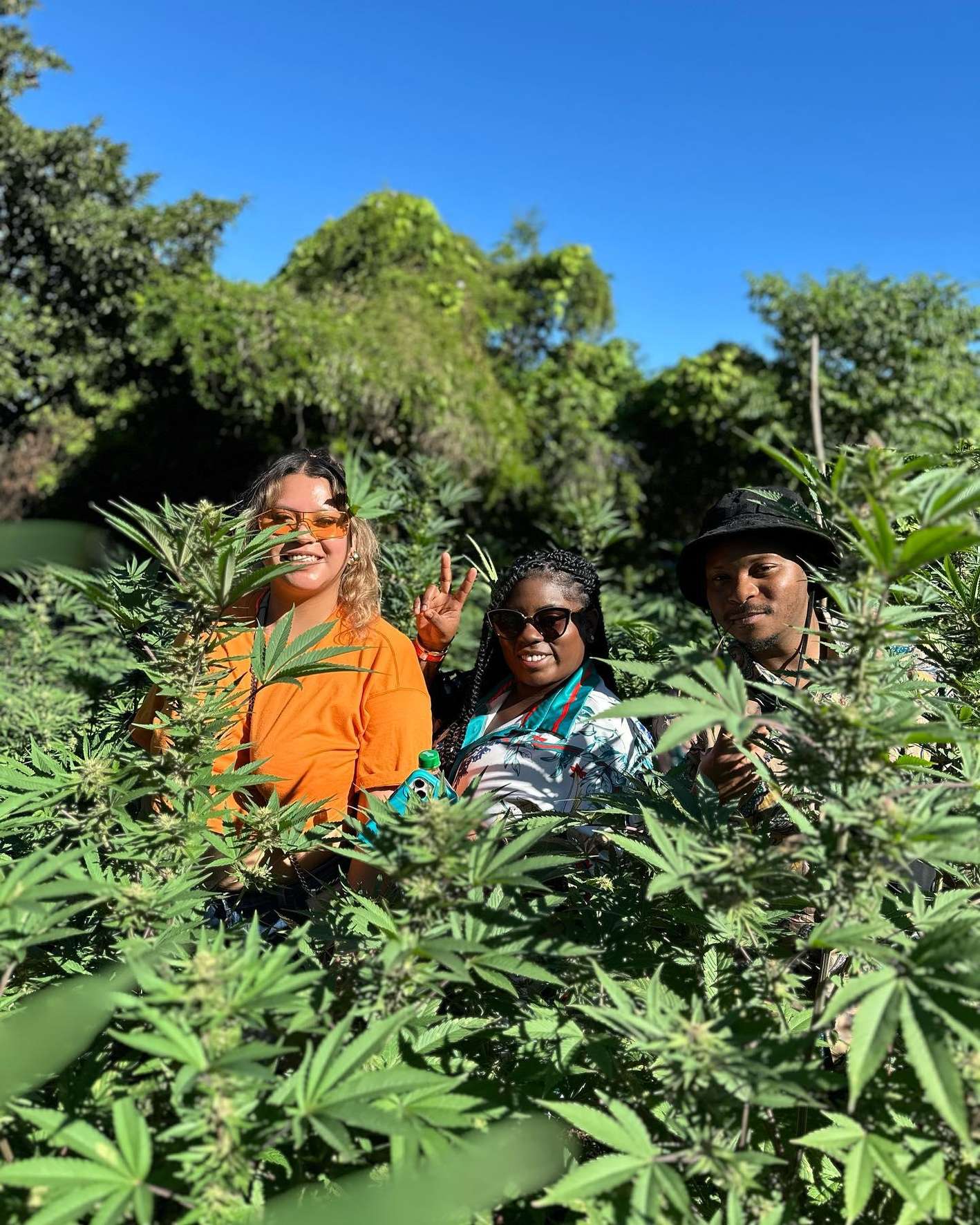
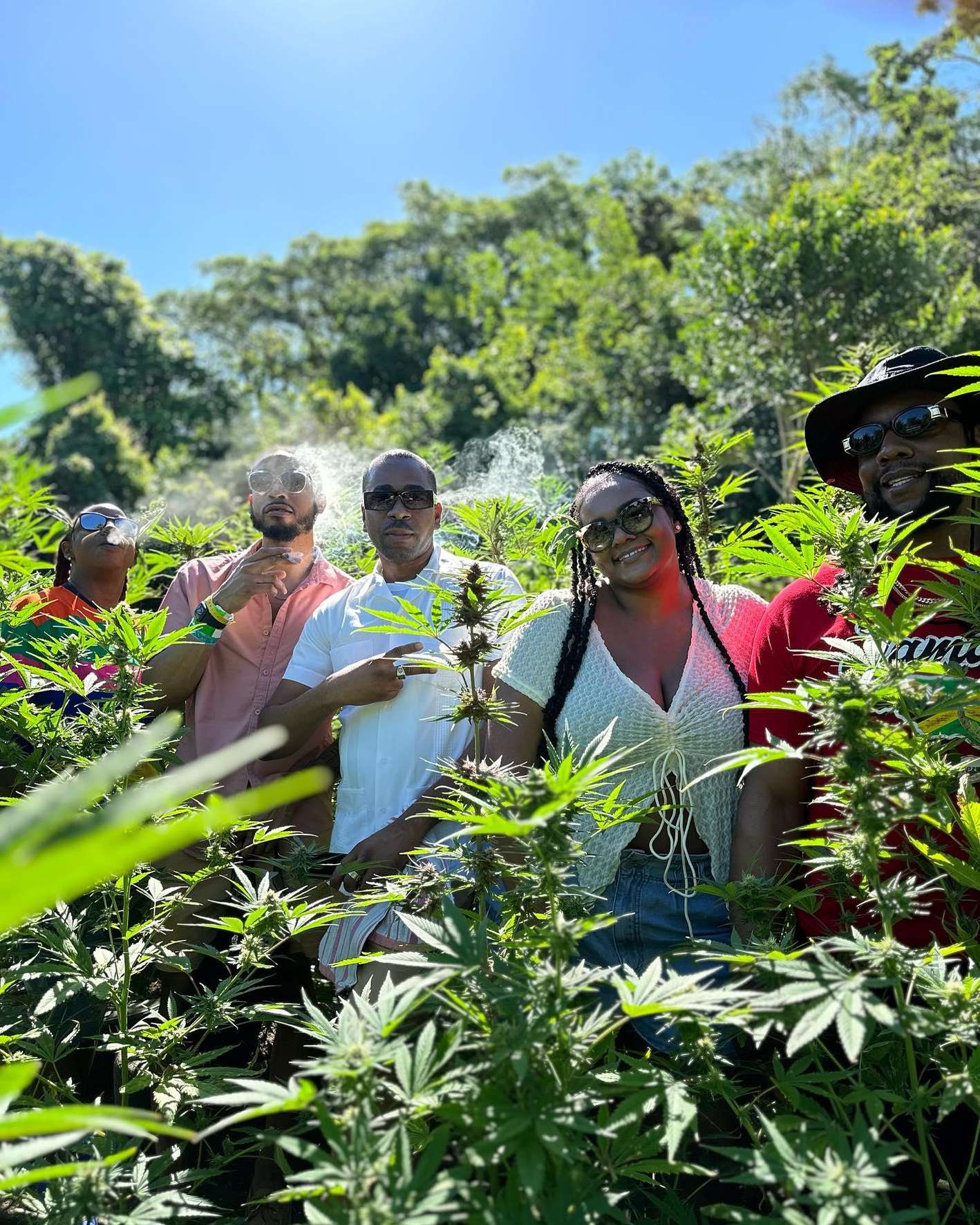
It carries 55 reviews, more than any other farm tour in Montego Bay, with private transport and entry fees covered.
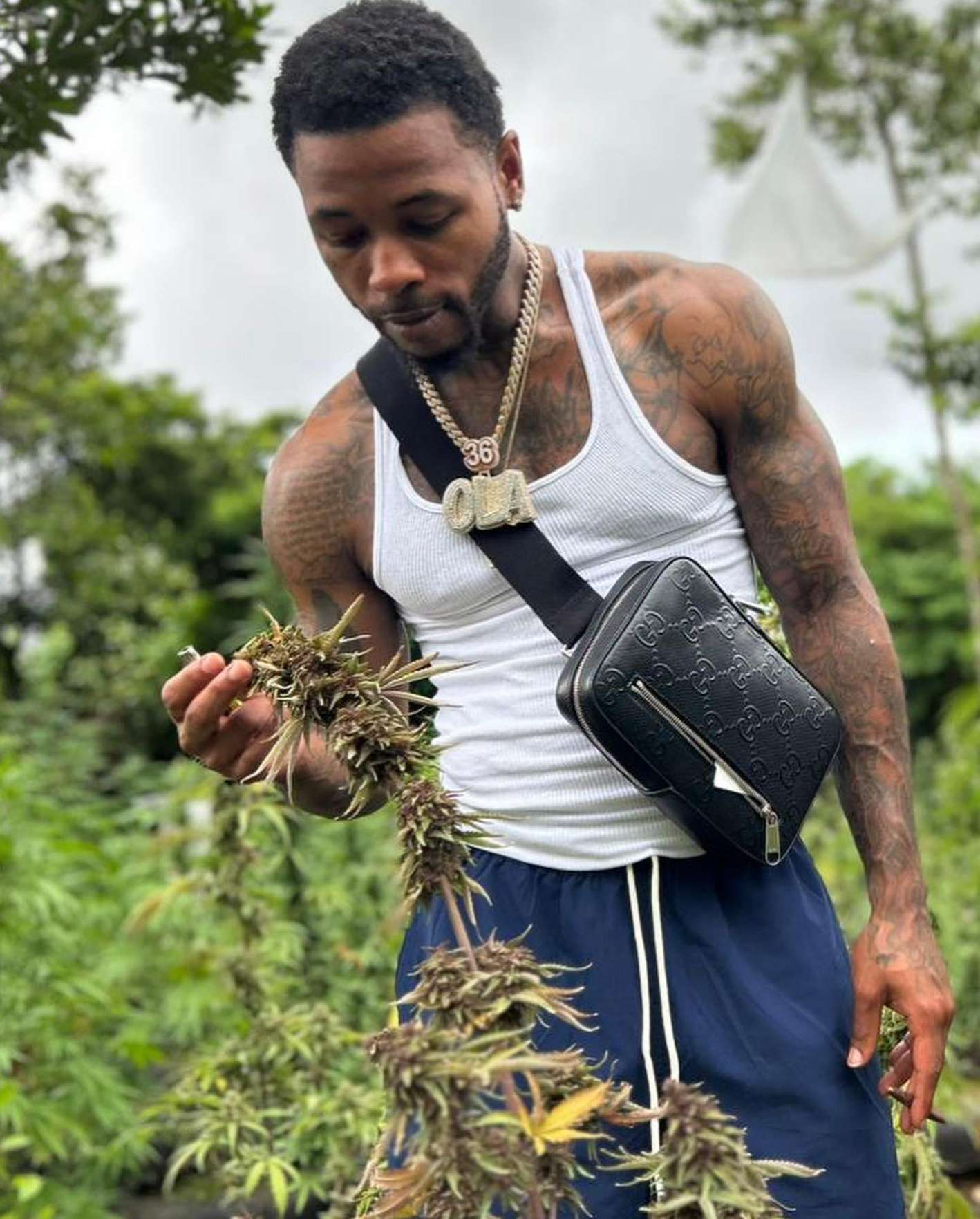
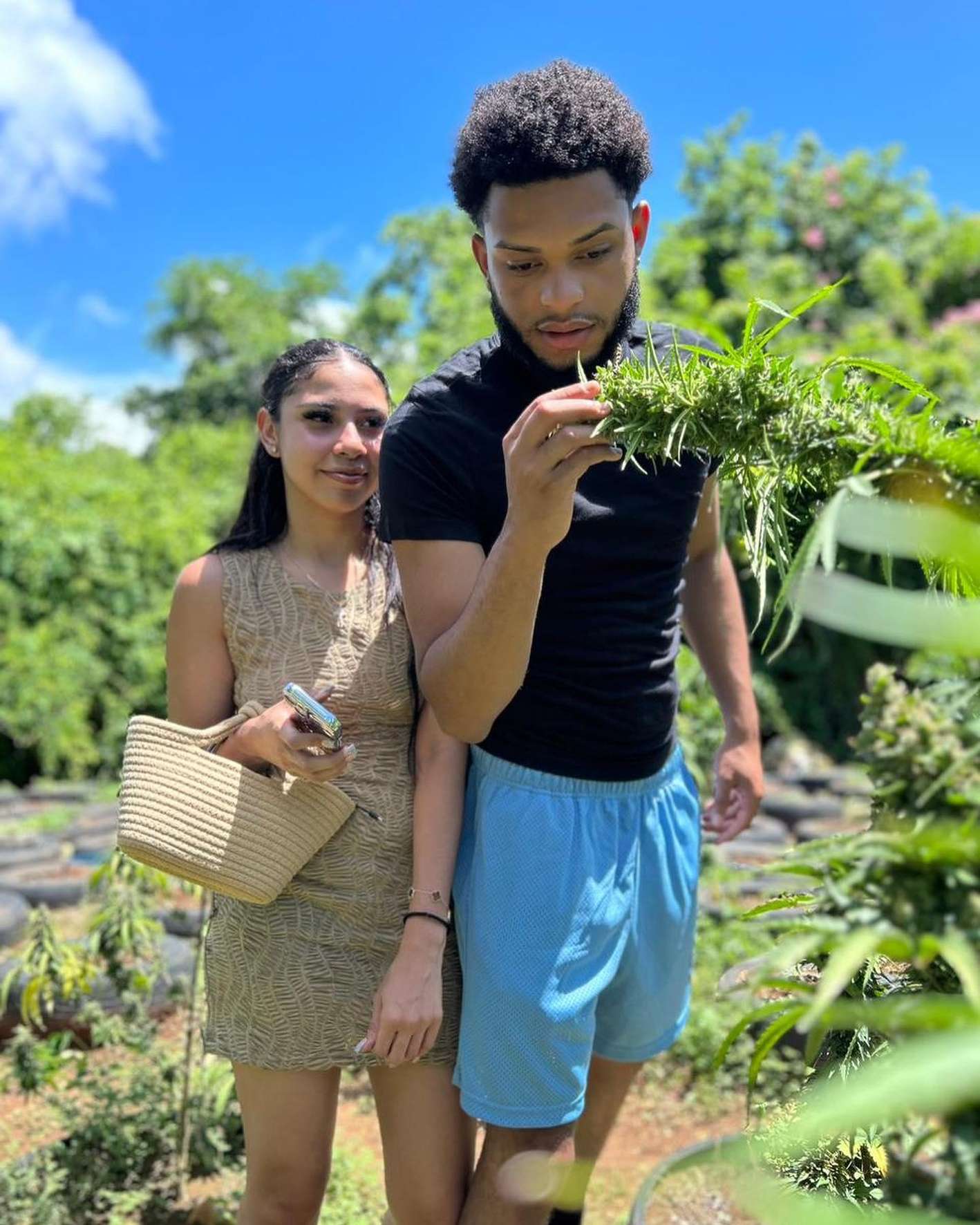
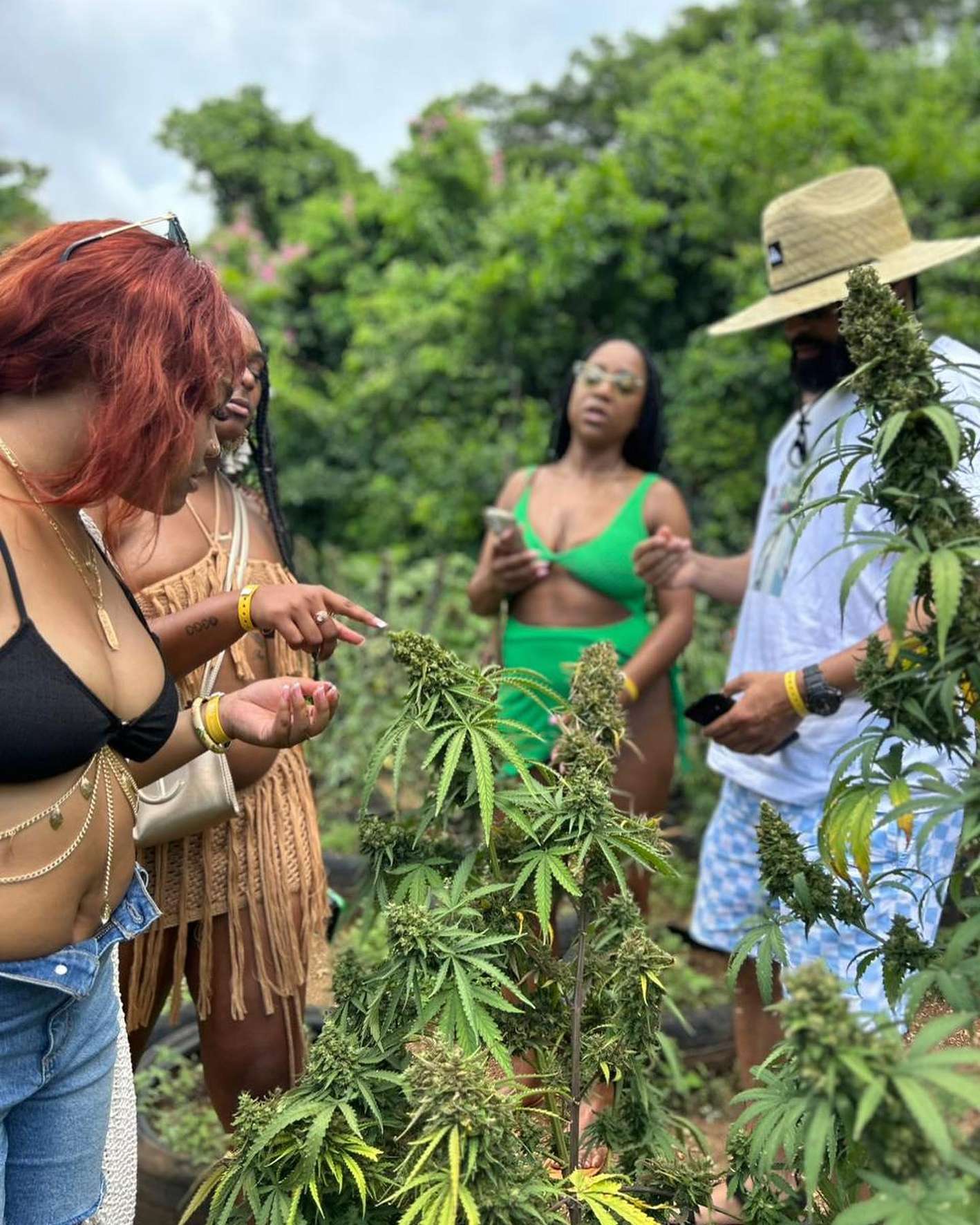
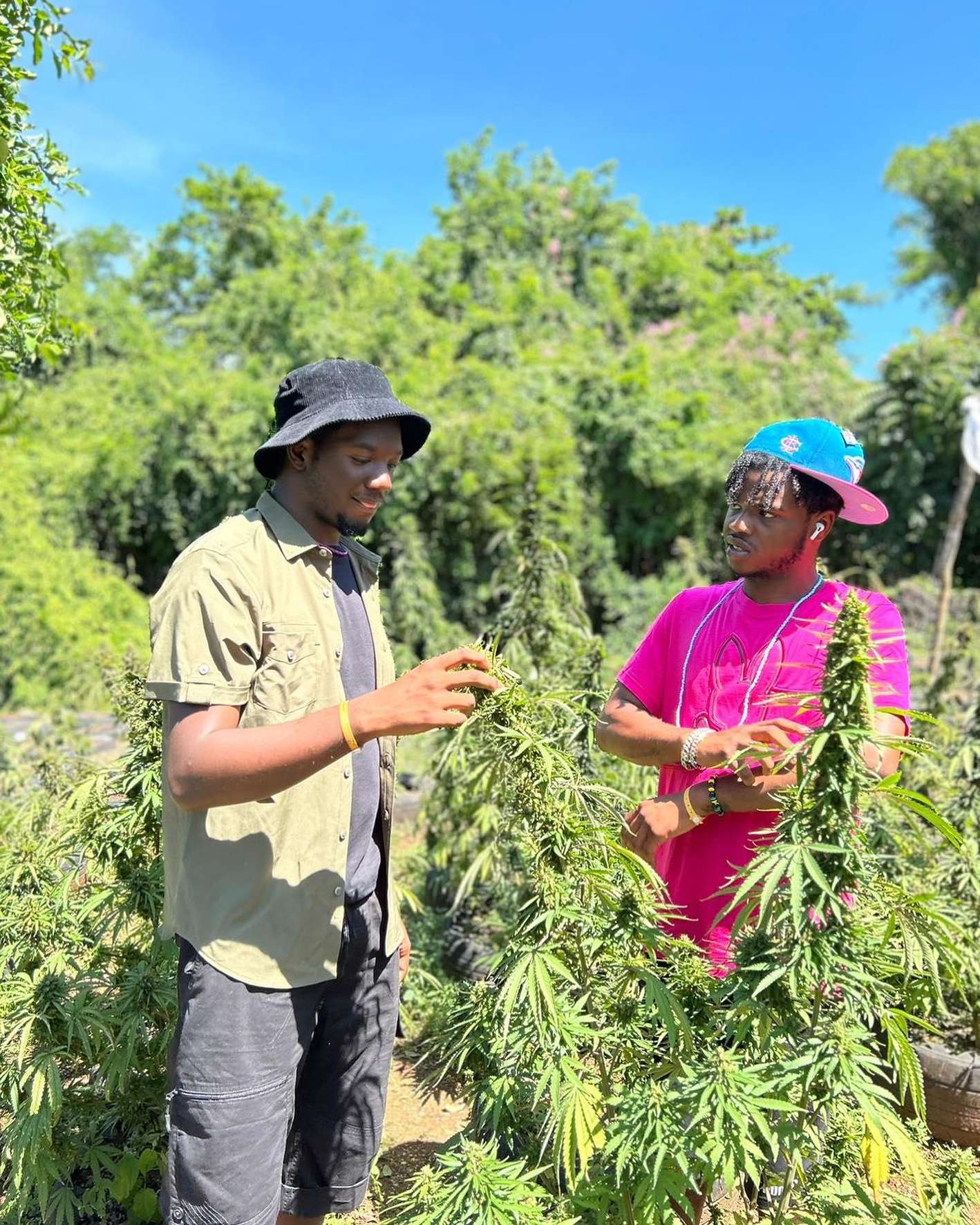

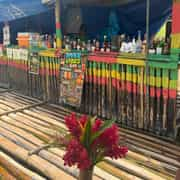
A 5-star-rated three to four hours that adds Lethe River bamboo rafting and a warm limestone foot massage.
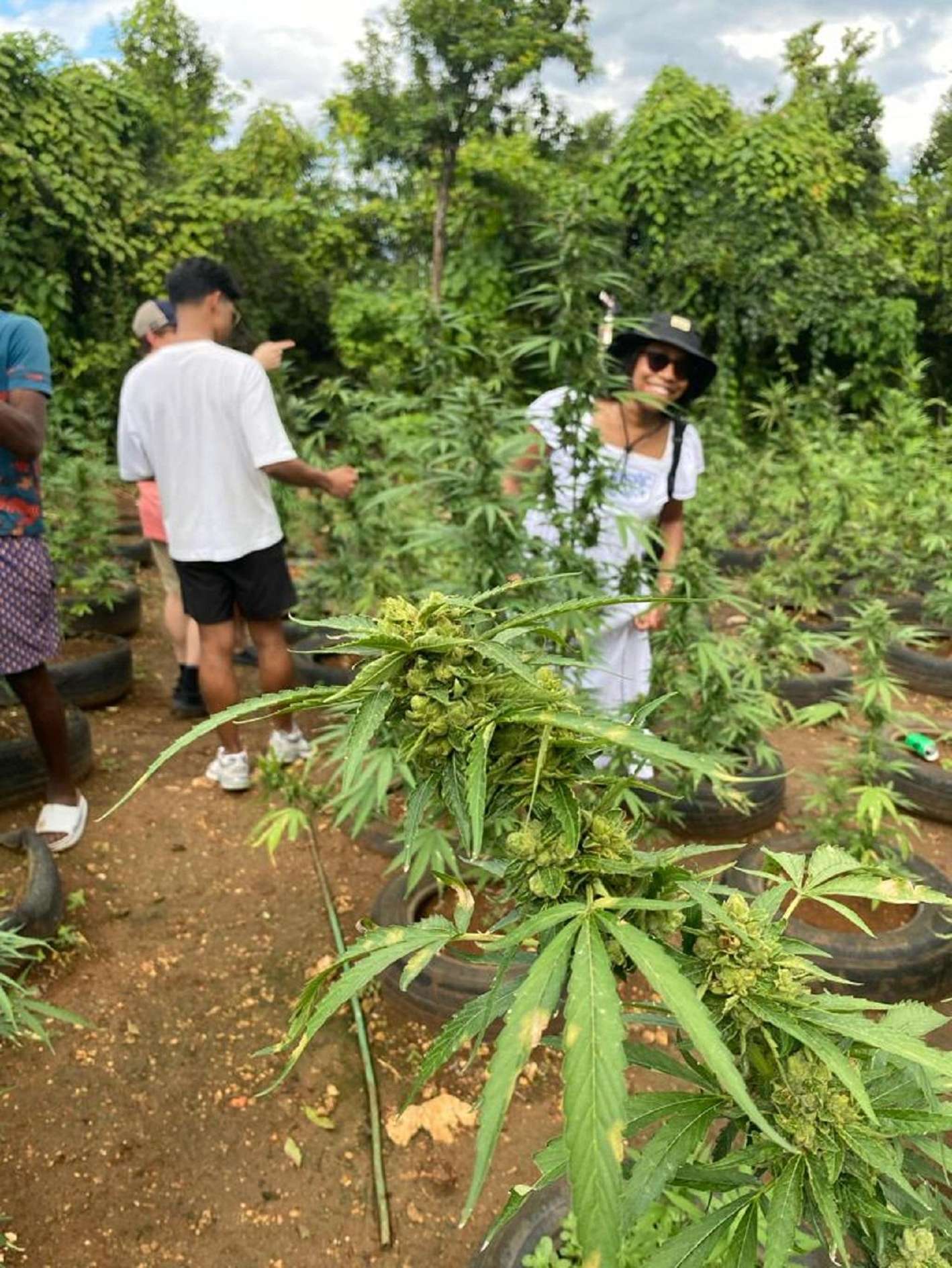
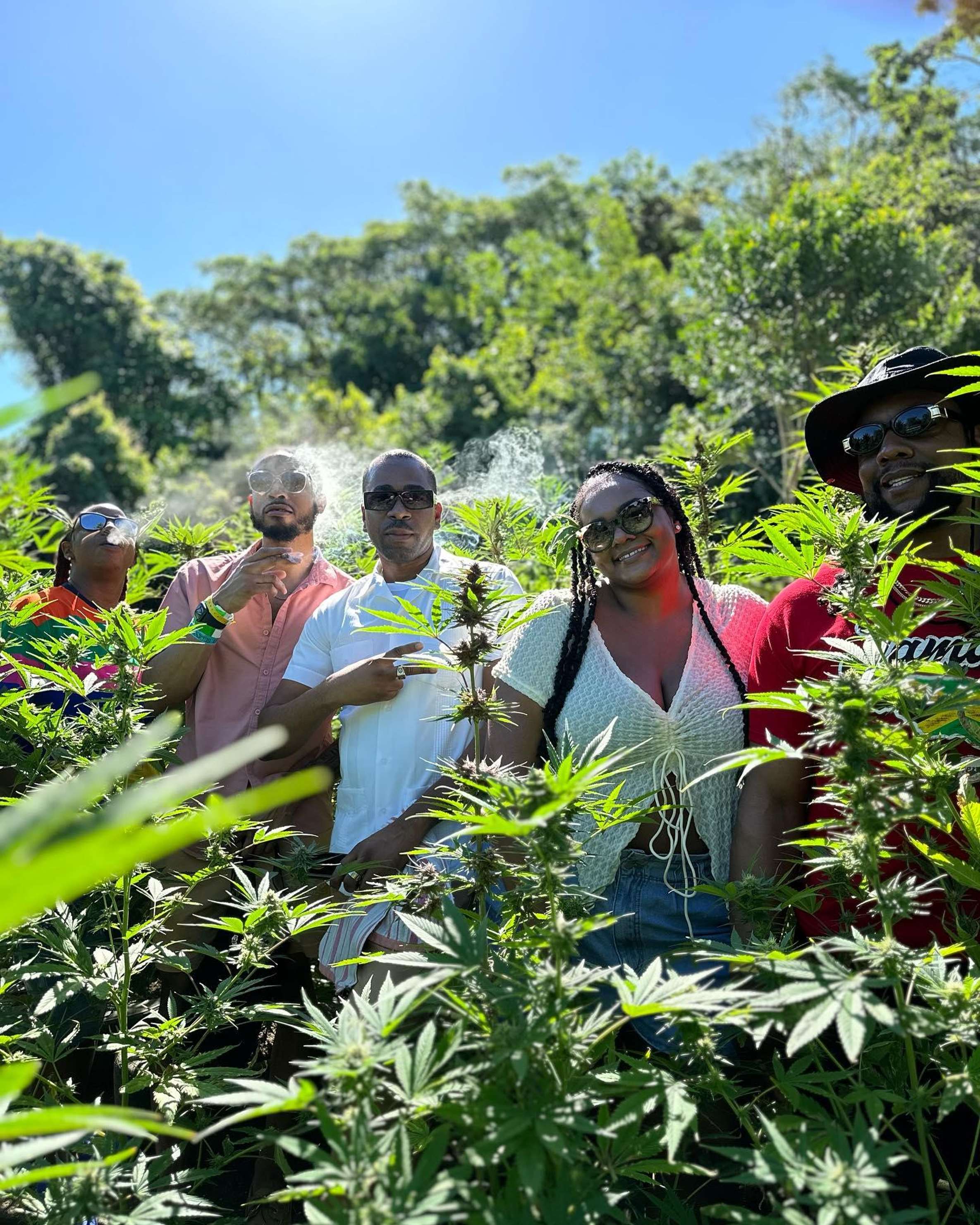
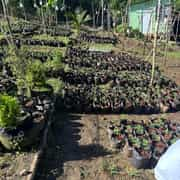
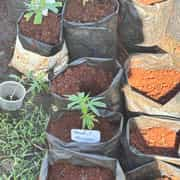
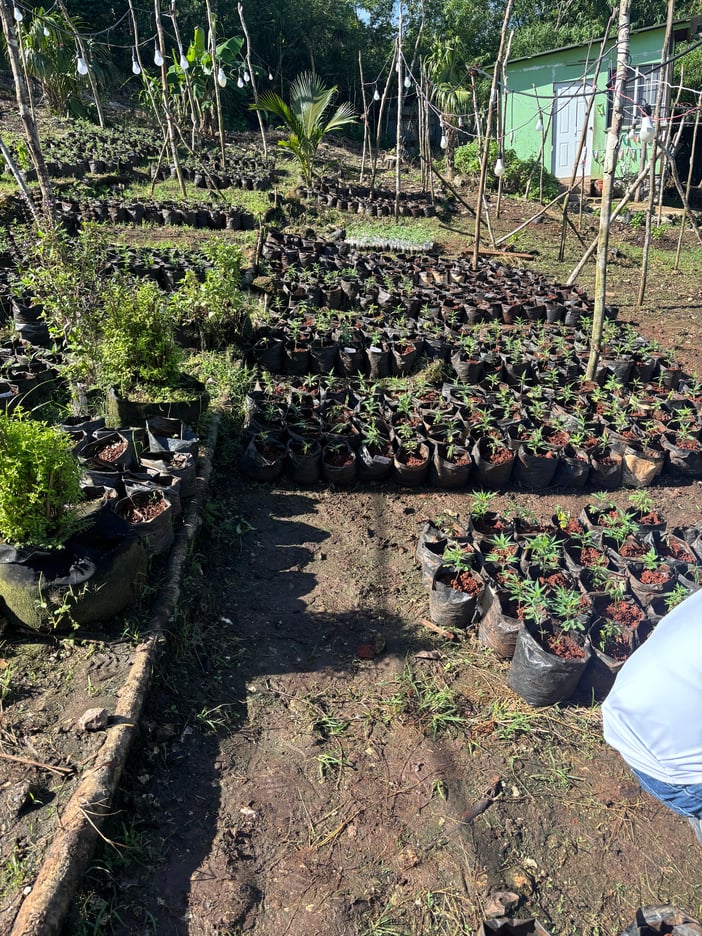
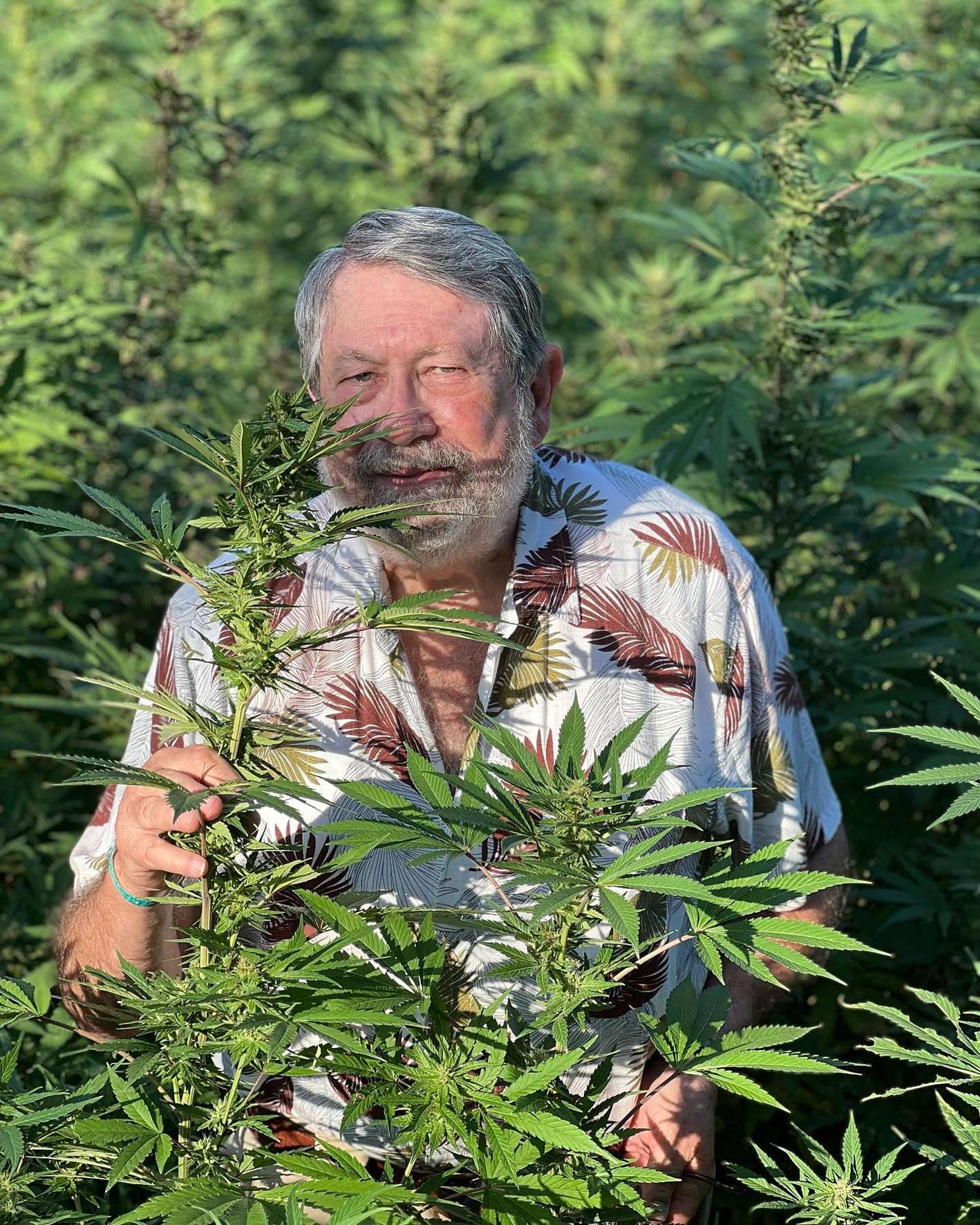
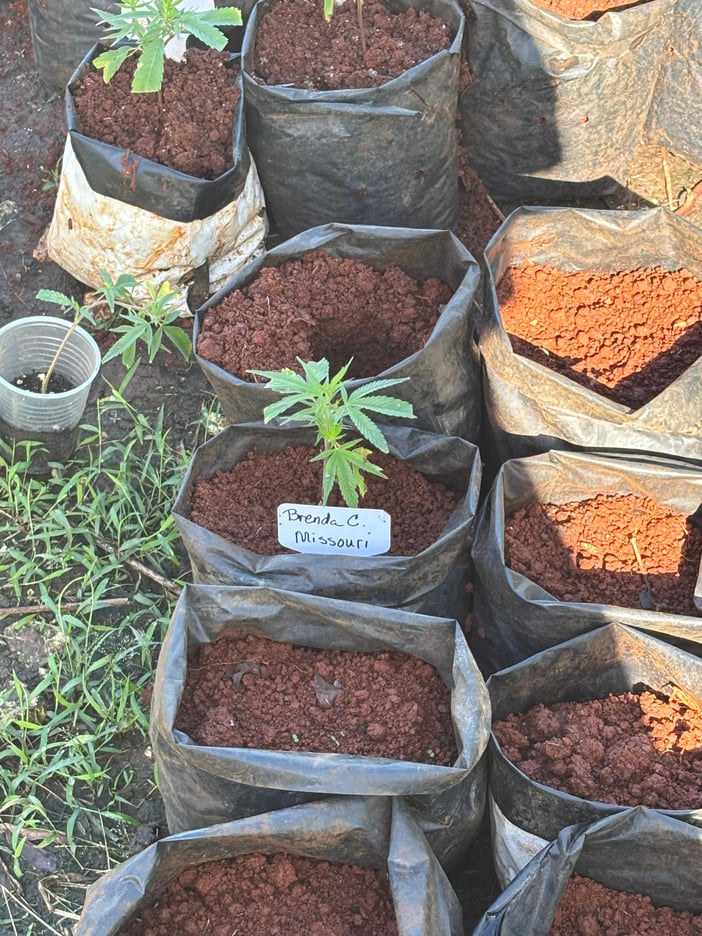
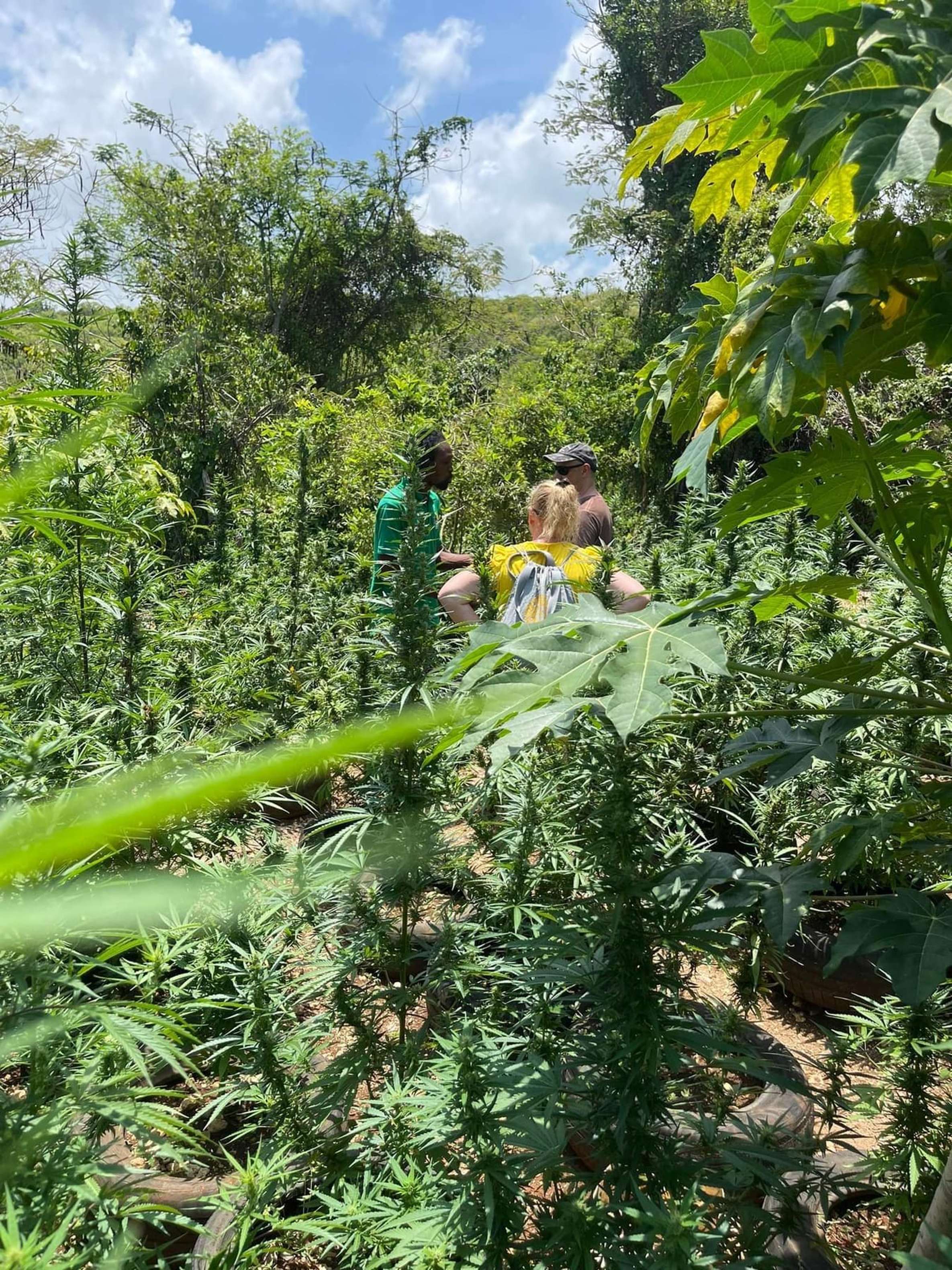
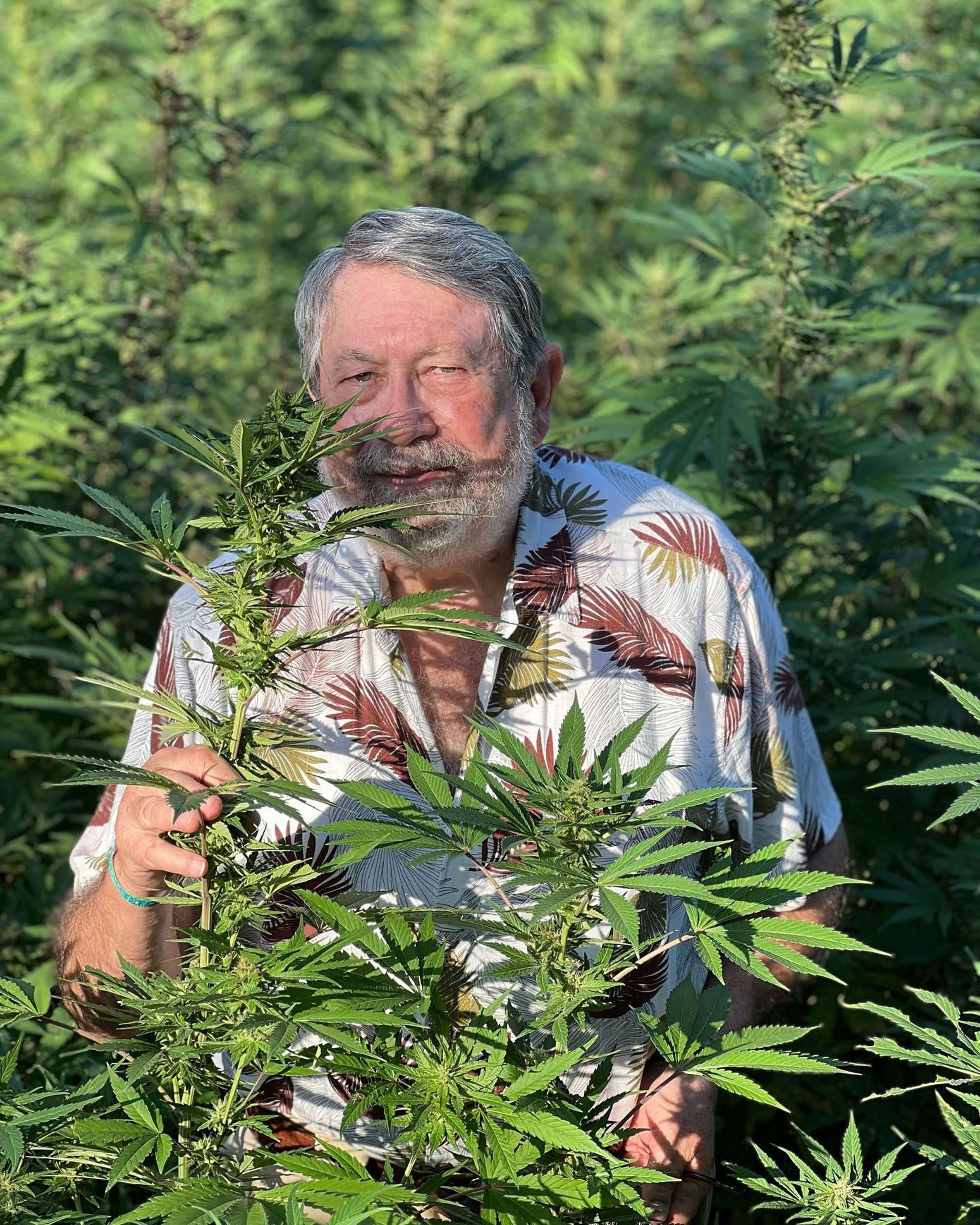
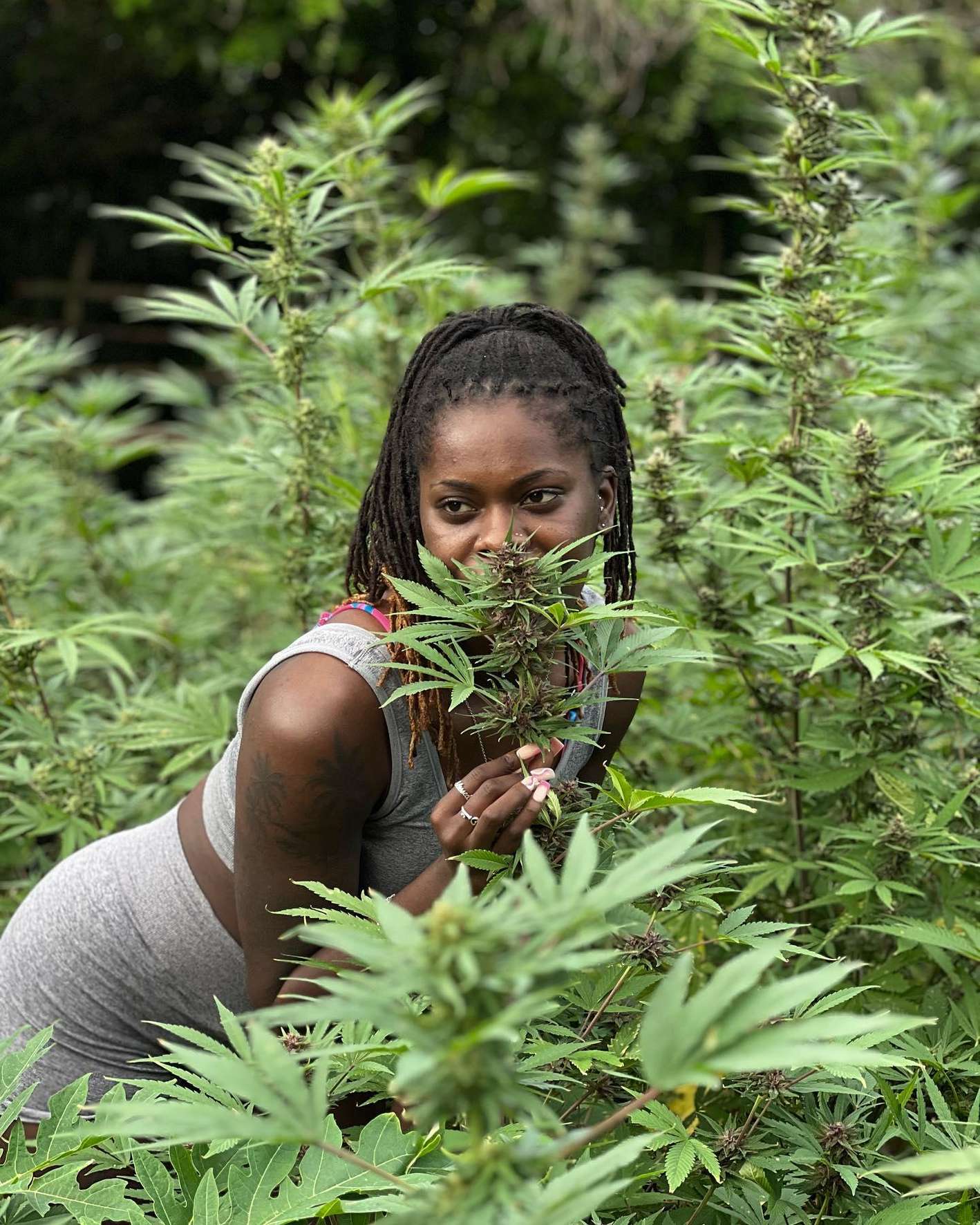
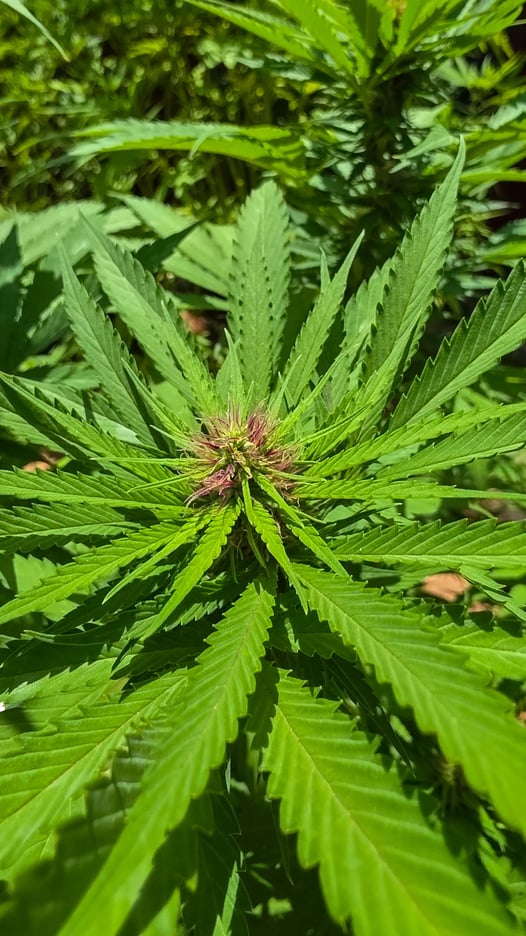
The rows of green come first. On a weed farm tour in Montego Bay, you walk past cannabis plants at every stage, seedlings in their trays beside full-grown crops ready to cut, and guides talk you through what each stage needs.
A private farm visit runs one to two hours including transport from your hotel, and most of that time goes on the plants themselves: the varieties grown here, the soil and irrigation work behind a healthy crop, and where cannabis fits in Jamaican history and farming.
Every stop on this page works the same way, so you can compare them on what happens on the farm rather than just the drive.
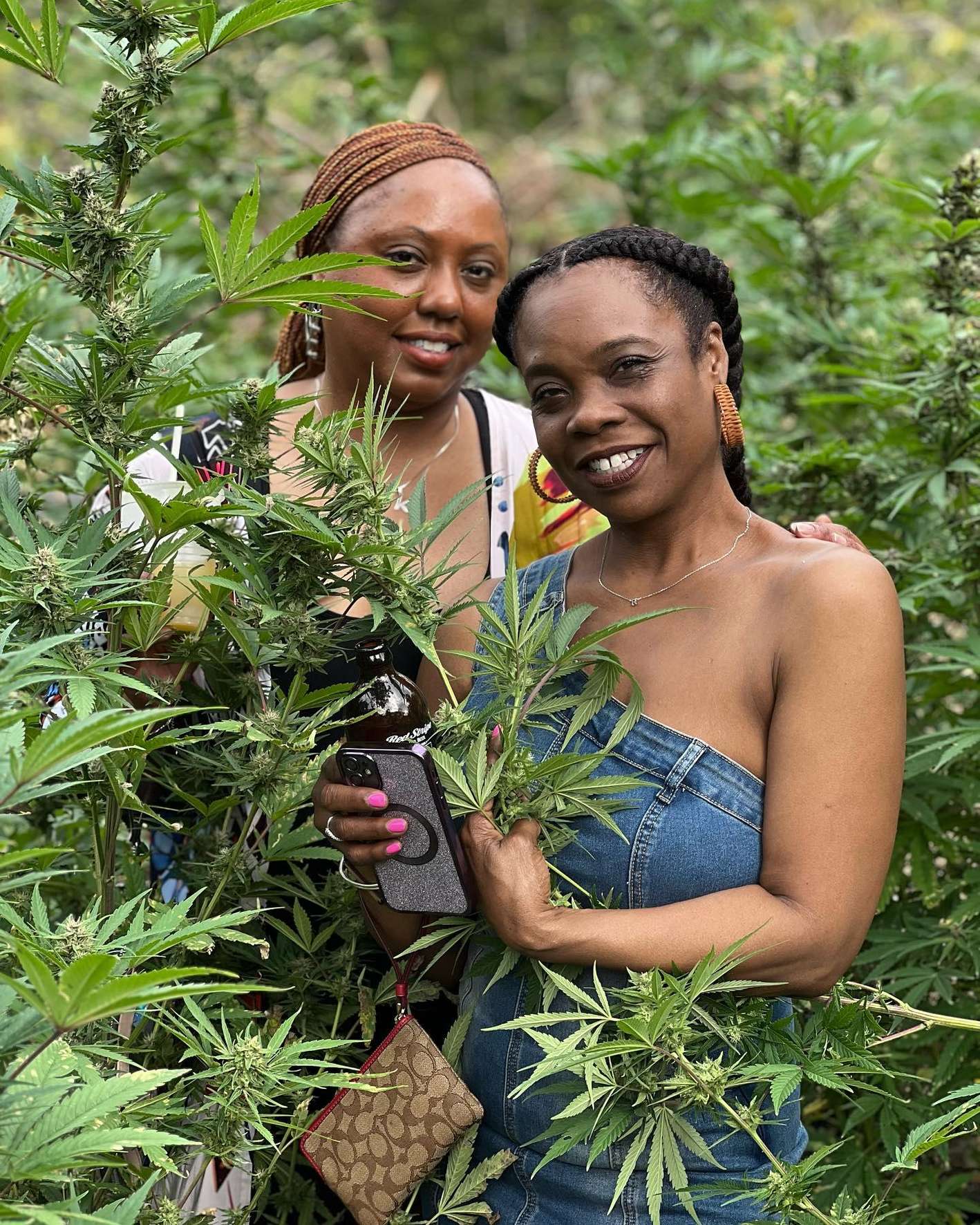
Green marks the lowest price. Each price says whether it is per person or per group.
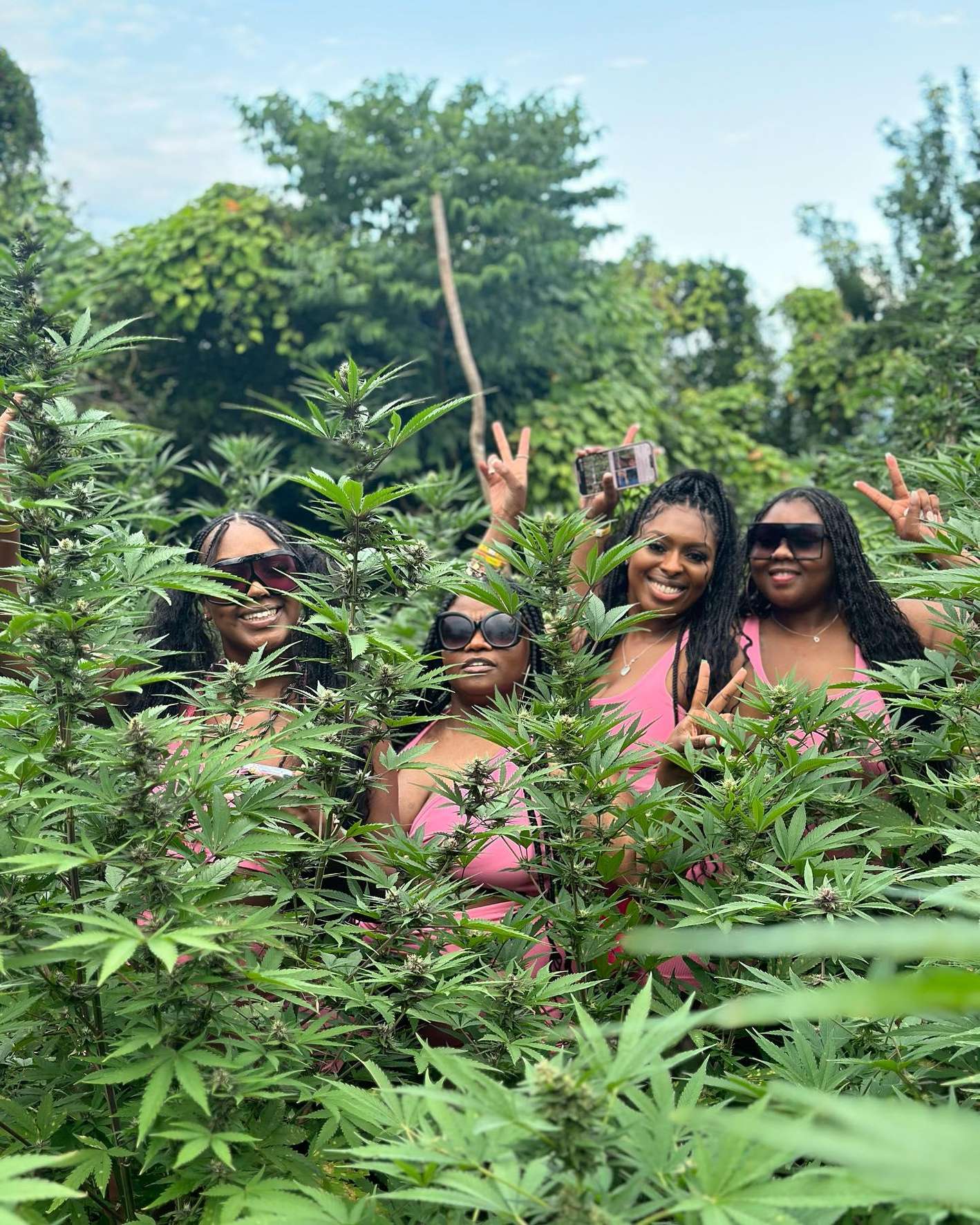
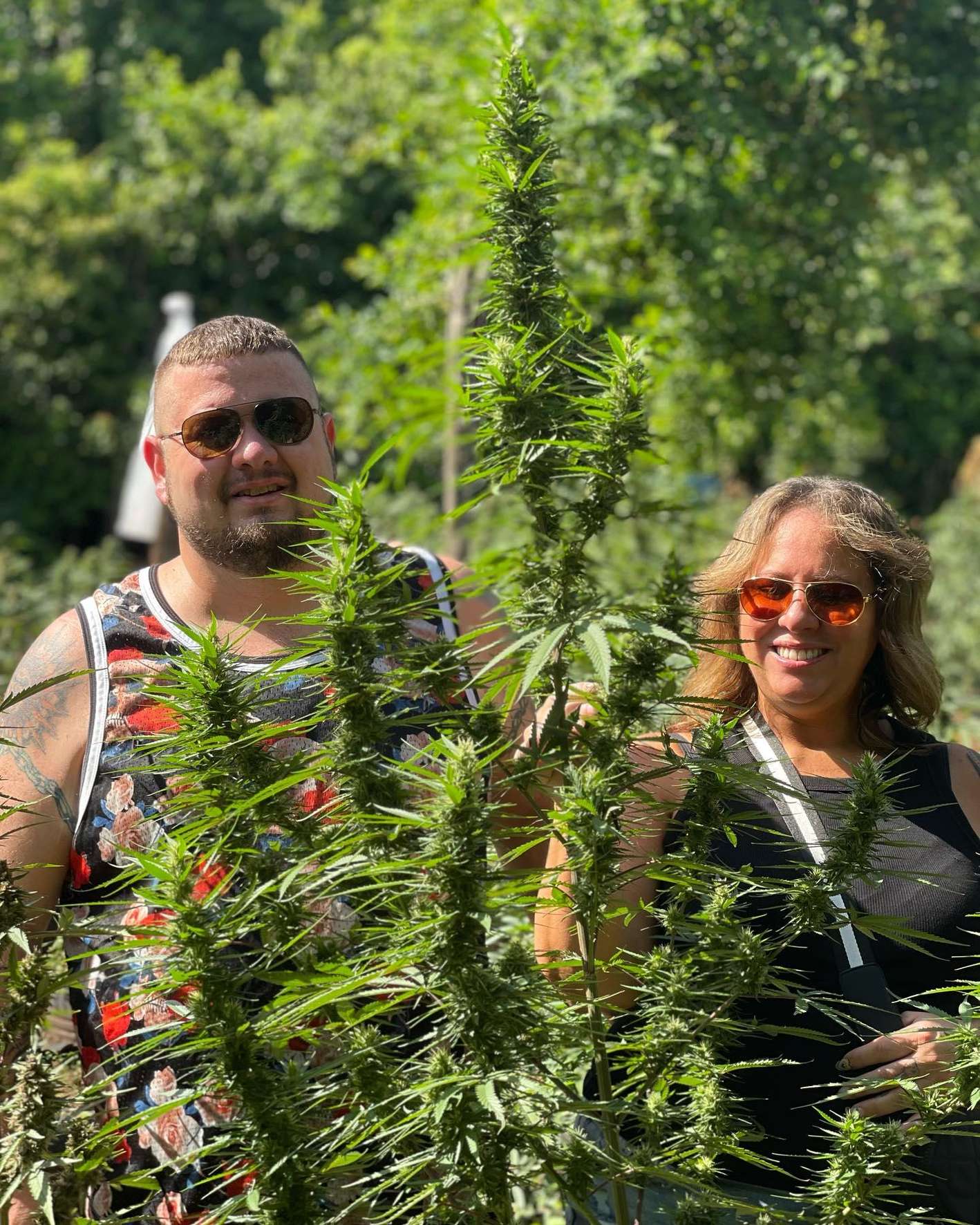
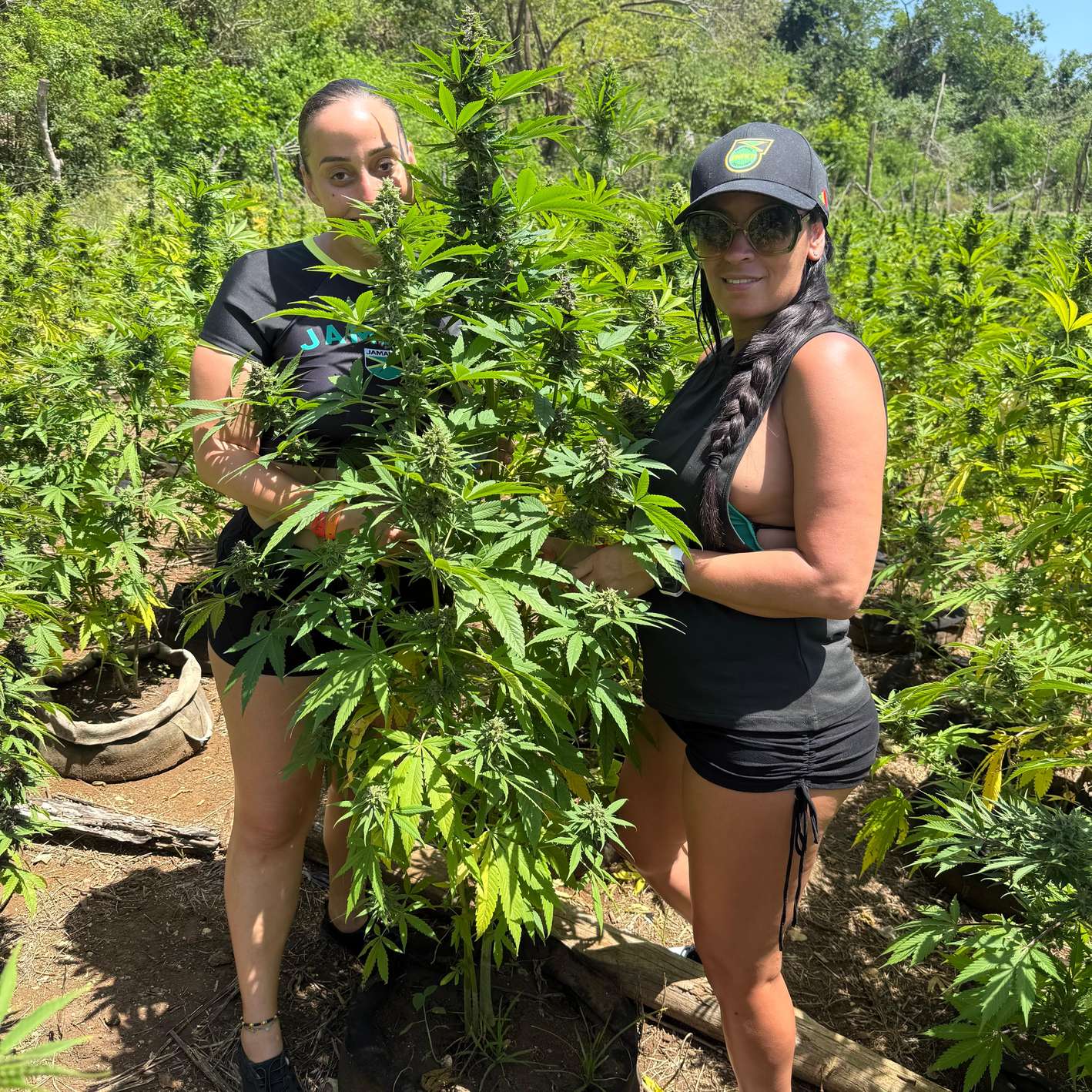
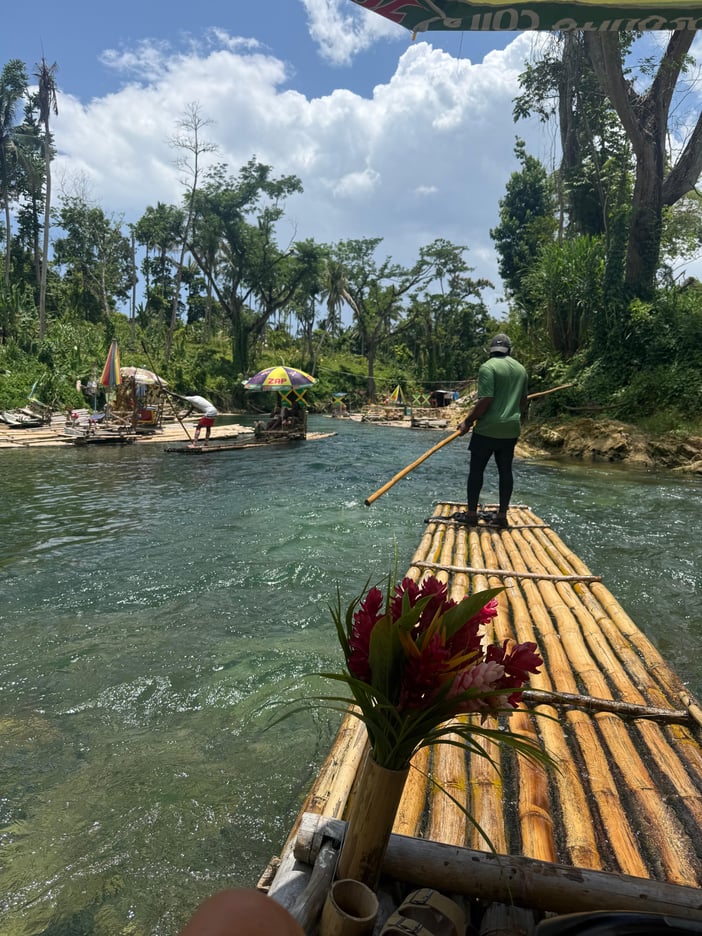
Loved this trip! Our driver Donovan was amazing, showing us different sights after rafting, knowledgeable.
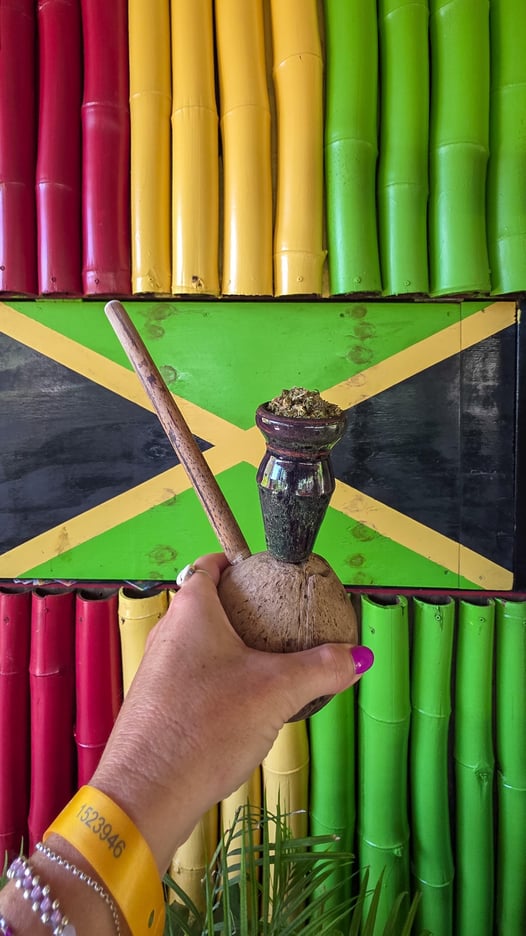
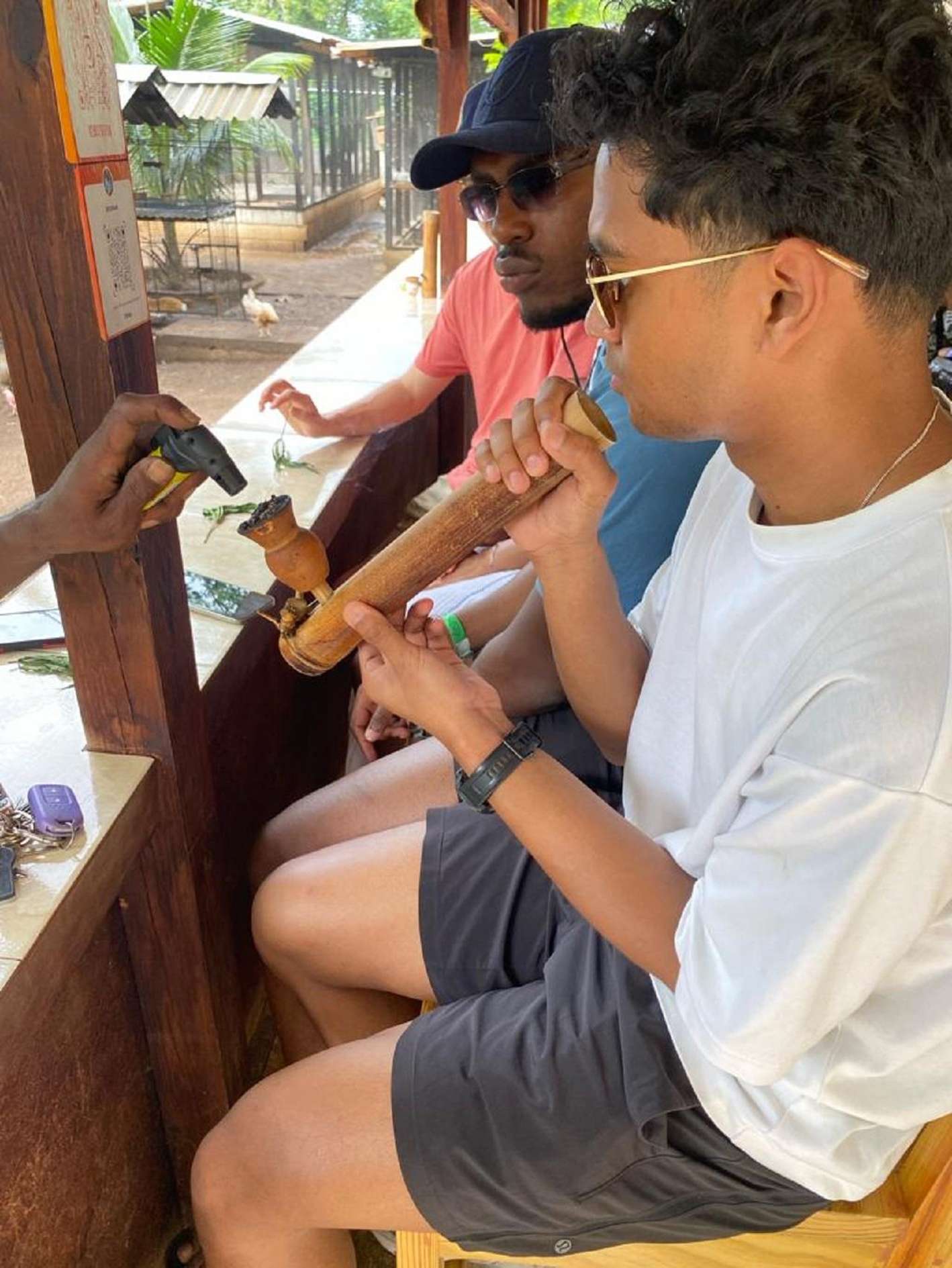
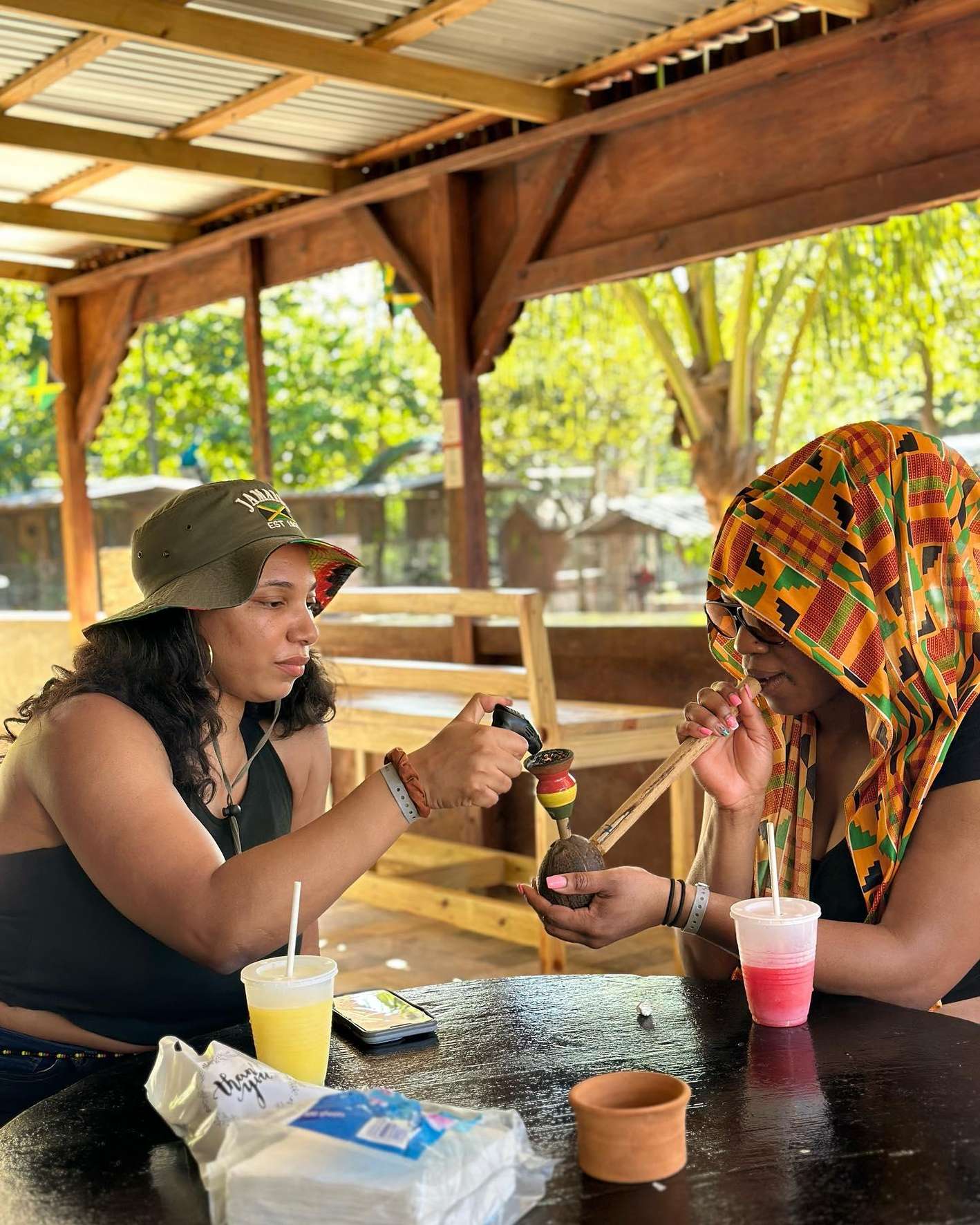
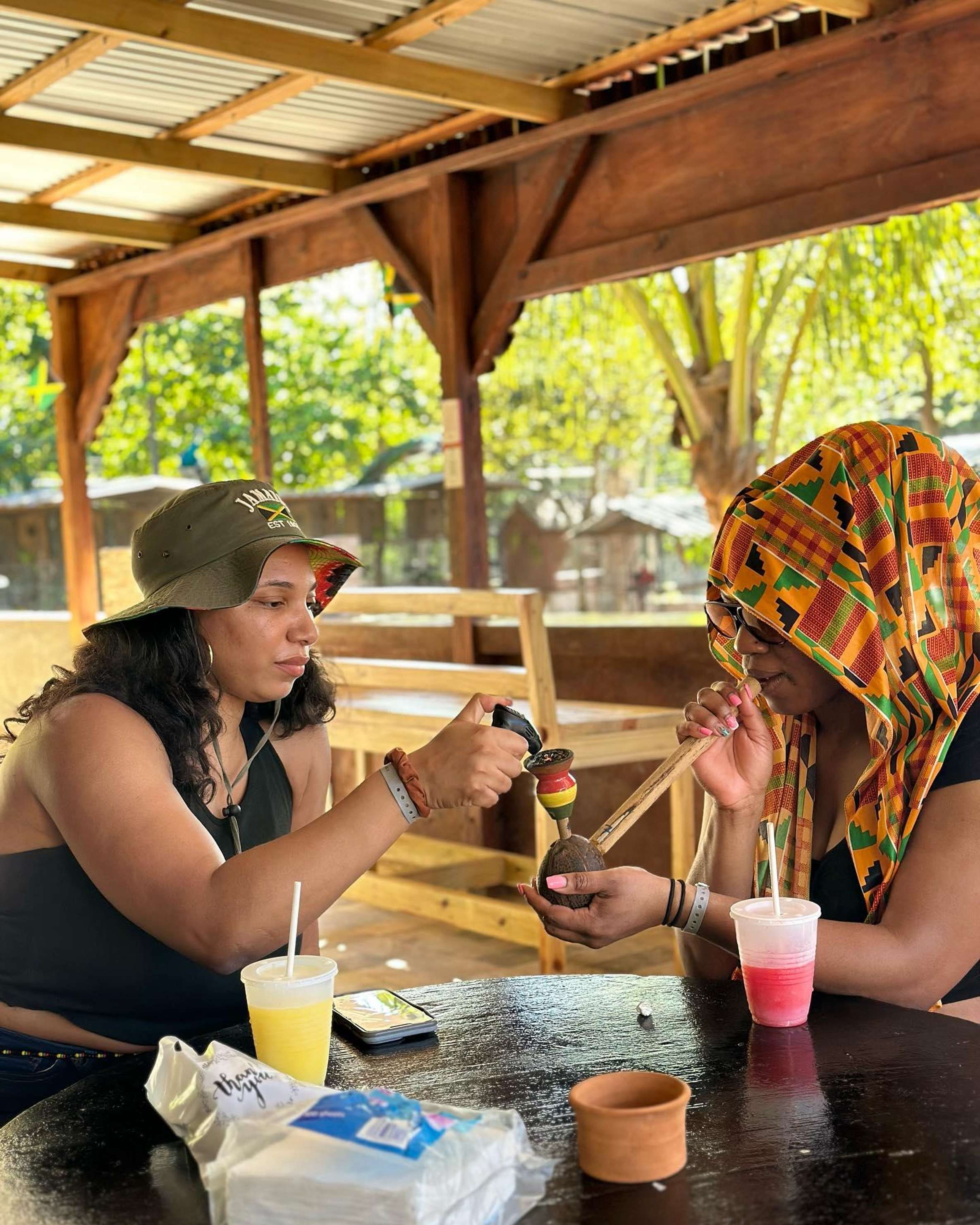
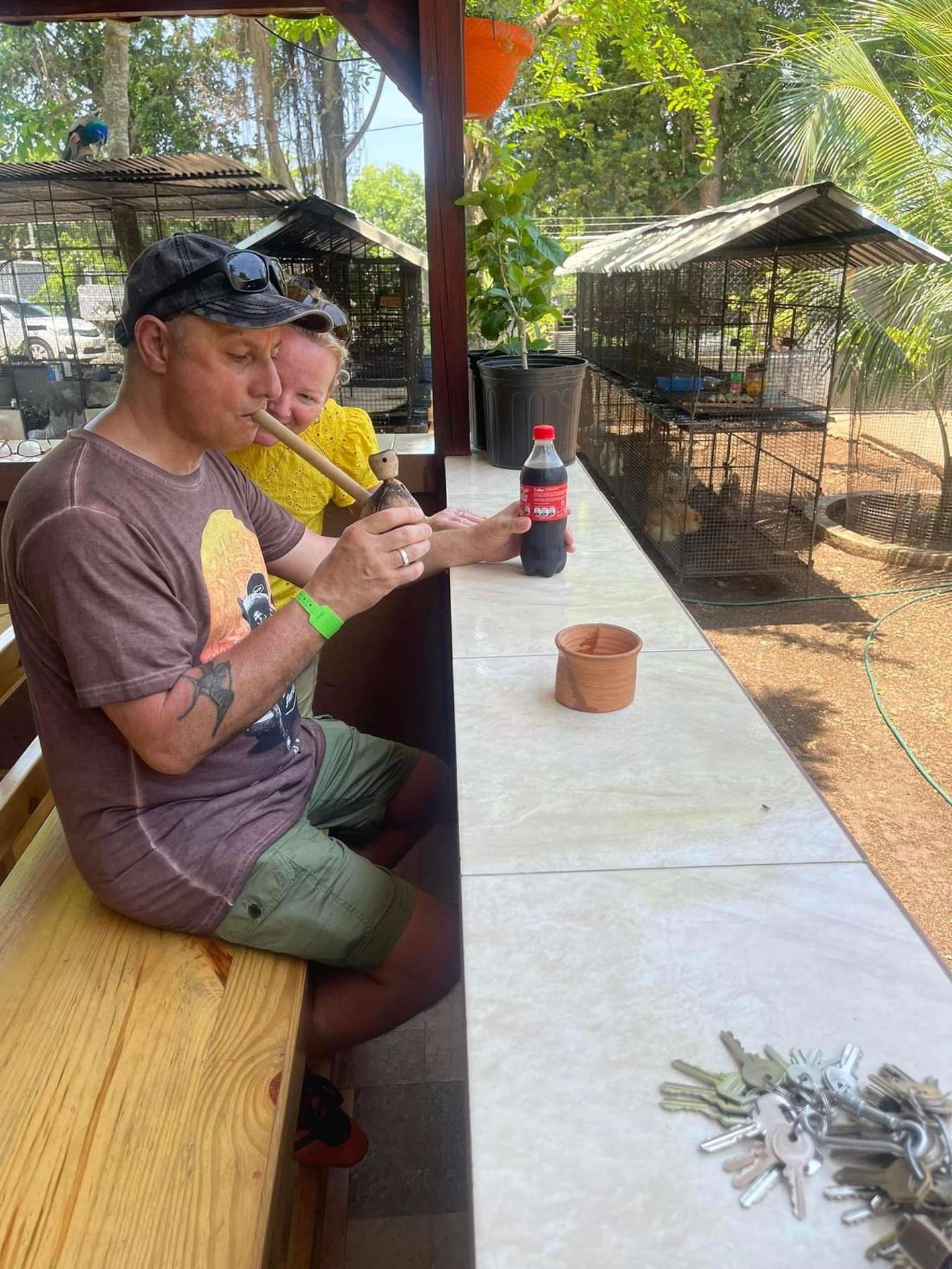
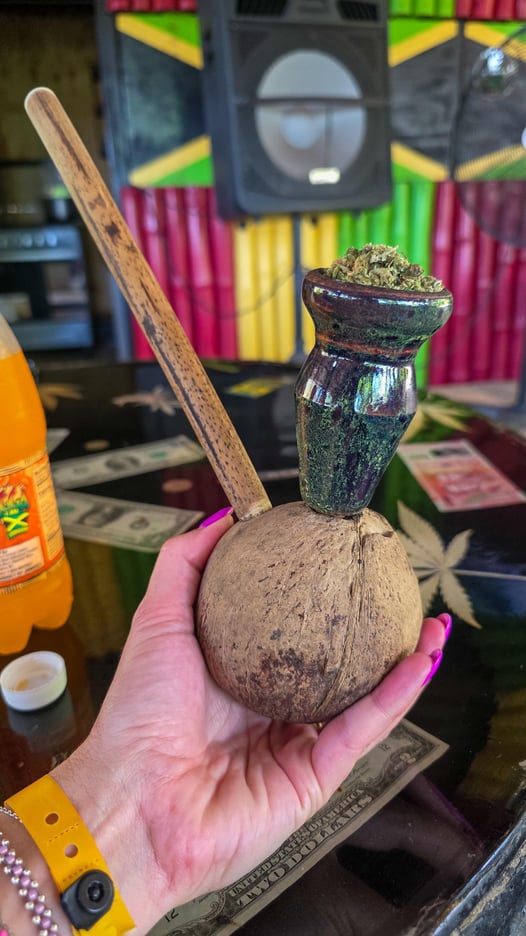
Did the marijuana tour, informative, knowledgeable guide, never pushy. Smoking through a coconut bong was a great way to end. Skipped the bird tour but you can see them from the herb cafe.
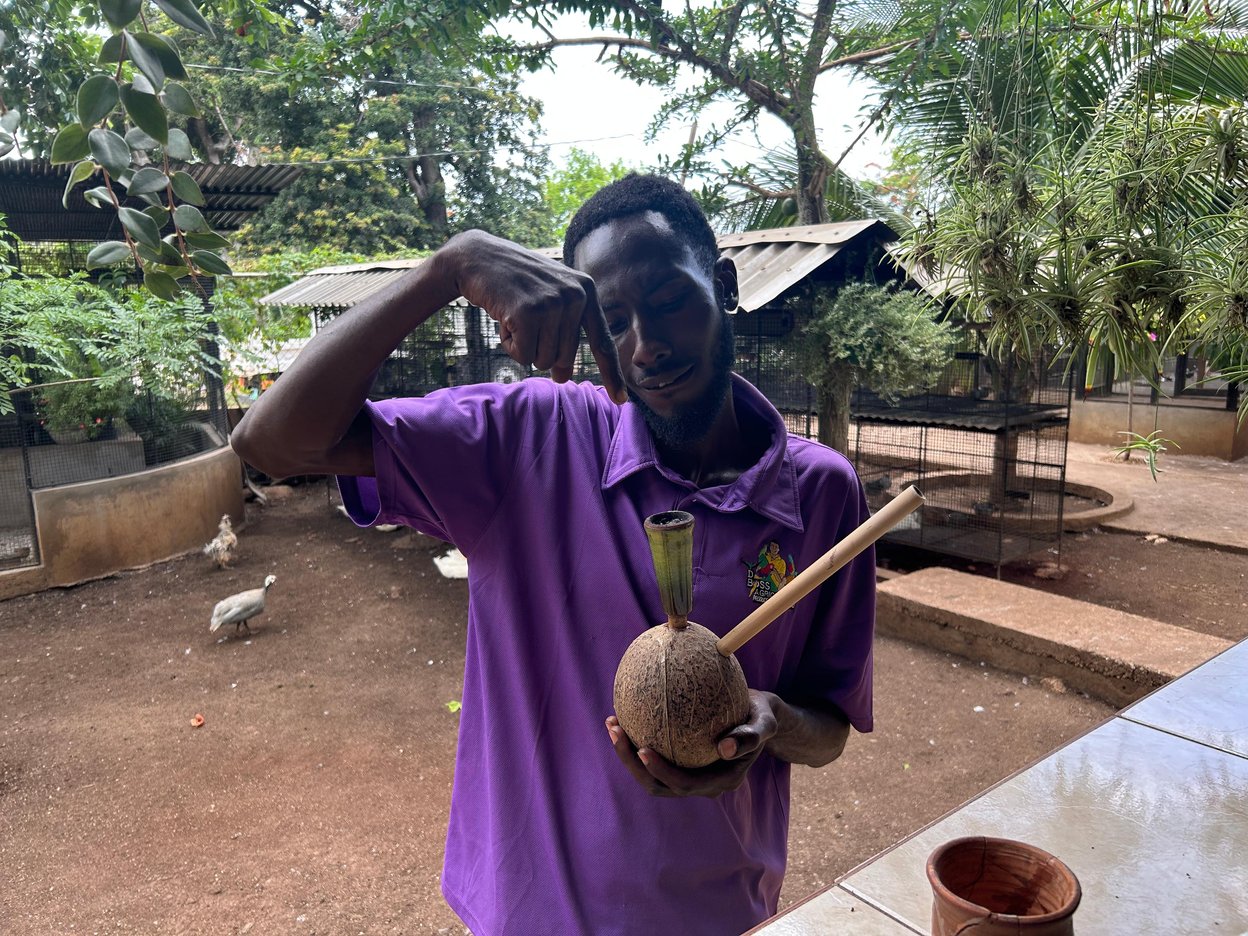
Truly enjoyed the farm and our excellent guide, learned about the island's history. Great for anyone wanting to know the real Jamaican culture.
Really interesting tour on Rastafari culture. As a non-smoker, I found how ganja is cultivated and its medicinal uses fascinating. Guide Randy kept us entertained and helped with photos. Highly recommended.
So nice omg, the guide is patient and never rushed me… so chilled, super clean, and the car too. Highly recommend 💯👌🏾💯
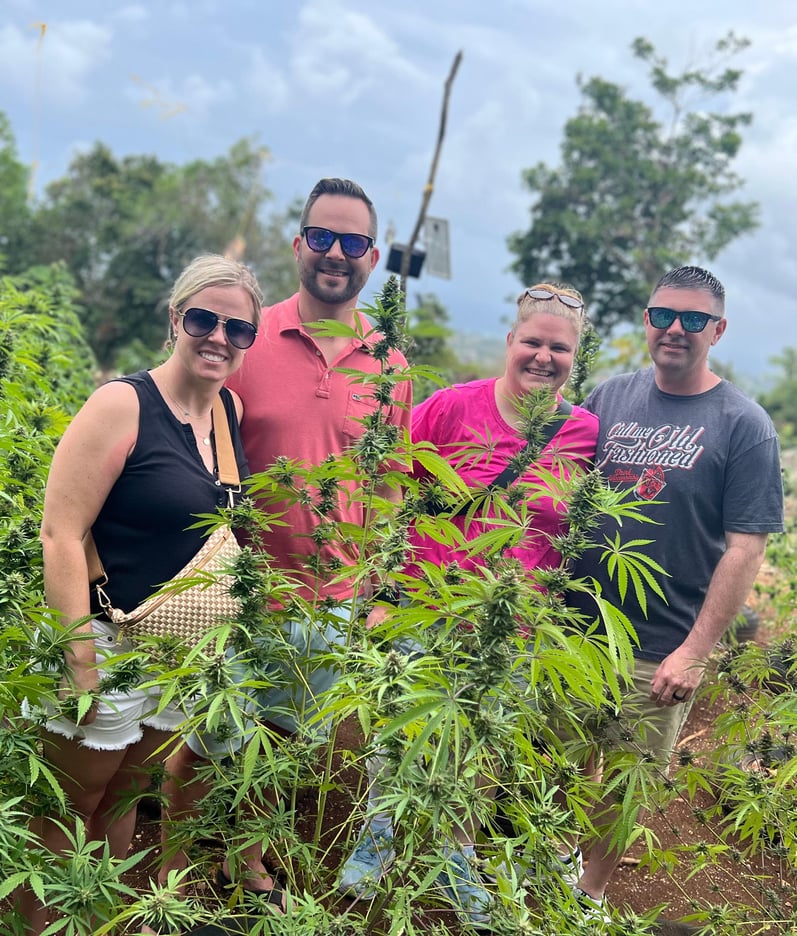
TJ was extremely knowledgeable and answered all our questions about cultivation and growing. Would've loved more on marijuana's significance in Rastafarian culture.
We took our time through the bird sanctuary and enjoyed the field of dreams too. Left very happy and relaxed. Ya Mon!
Most reviewers praise the guides, calling them knowledgeable, patient and never pushy, some even naming their driver.
Many couples did not expect to enjoy the coconut chalice session or a limestone foot massage by a spring.
Several families wished the farm visit lasted longer so they could see more of the birds and plants.
Choose the first or second day of your stay, ideally a morning. Heavy rain can wash out the hillside roads to the farms, and operators cancel those days and reschedule, so a later date gives you room to move.
RecommendedBook early in the trip so a weather reschedule still leaves you a spare day
Each tour lists several pickup options, and the duration changes with them. From Montego Bay or St. James Parish is the shortest ride, from Grand Palladium or Lady Hamilton takes a little longer, and from Falmouth or Trelawny adds about an hour each way.
Common mistakeCruise passengers sometimes pick a hotel option by accident; drivers at the Montego Bay Cruise Port wait inside the secure area or in the turnaround just outside it
Read the included list before paying. Most Montego Bay farm tours bundle transport, guide and entry fees, but some packages cover the ride alone and leave the farm admission to pay on site.
ImportantCarry physical cash, because small hill farms rarely take cards or digital payments
After booking you get a voucher, and the operator confirms the exact pickup time with you. Allow one to two hours of door-to-door travel from resort pickup to return, since farms in the Saint James interior sit about an hour from Rose Hall.
You can cancel up to 24 hours in advance for a full refund. If the operator cancels because of unsuitable weather or too few participants, you get another date, an alternative experience, or your money back.
Morning is the comfortable slot. Between roughly 6 am and 9 am the temperatures sit at their daily low and the sunlight over the fields and greenhouses is at its clearest, before afternoon cloud builds and showers arrive.
Some bookings cover transport only, with the farm's entrance fee paid separately on arrival, and one bird sanctuary add-on lists its entry fee as payable on site. Read the included list on the tour card before you book, and carry cash for anything marked extra.
From the Hip Strip the farms sit about 3 miles inland, a drive of roughly 15 minutes, though resort zones further east like Rose Hall mean about an hour each way. Inland roads turn bumpy and winding toward the hills, so tours run in private minibuses with a personal driver rather than shared route taxis.
You do not have to smoke anything to enjoy the morning. The guided walkthrough covers cultivation methods, medicinal uses and the plant's place in Rastafarian culture, and plenty of visitors treat it purely as a look at Jamaican agriculture.
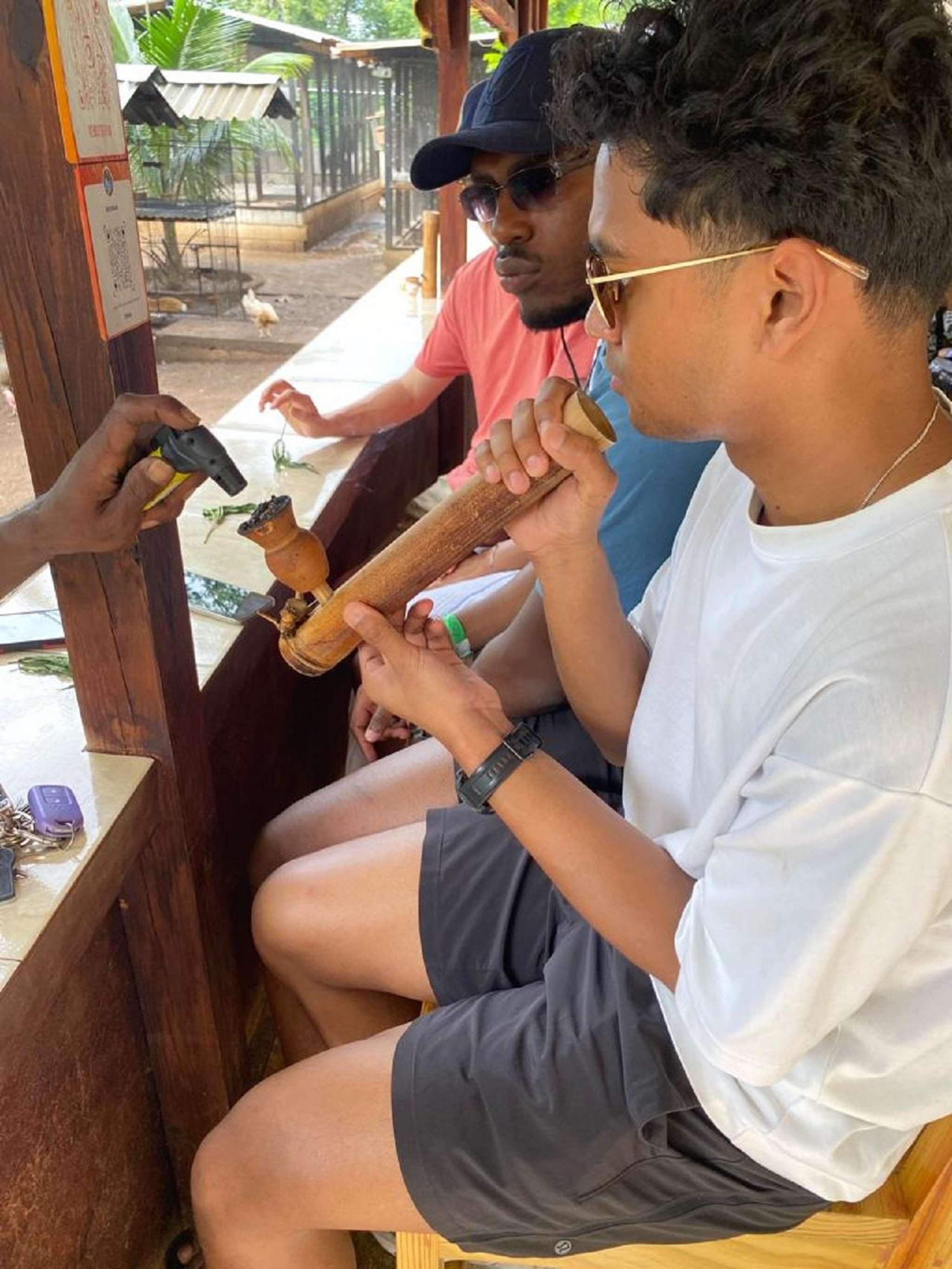
One tour finishes with a turn on a traditional weed chalice pipe, and the vapor it produces is potent. Take your pulls slowly and savor them rather than rushing, and follow the rotation the host sets for the circle.
Leave any cannabis at the farm gate on cruise days. Taking it back through the terminal or aboard your ship is illegal in Jamaica and all cruise lines ban it, with penalties that can run to decades in prison.
You can cancel up to 24 hours in advance for a full refund. If the operator cancels for unsuitable weather or too few participants, you get another date, an alternative experience, or your money back.
The visit ends with a walk through open fields on a hillside farm, and the ground can hold small rocks and wet patches. Wear sturdy closed-toe shoes and older clothes, because wet red soil leaves stubborn rust-colored stains that never wash out.
A driver collects you at your hotel's main lobby entrance, and every tour here includes hotel pickup from Montego Bay, St. James Parish, Falmouth or Trelawny. If you arrive by ship, cruise port pickup happens by the port building or at the private tour waiting area inside the secure zone, or just outside it in the turnaround area.
The plants themselves make great photos, and rows of green against the hillsides are worth a shot. With people, especially elders and ceremonies, ask permission before raising your phone and accept a refusal gracefully.
The farms sit 15 minutes from the Hip Strip, so a real ganja farm fits around a beach day. What a ticket actually covers, and what the law lets you do afterwards, is where the questions start.

Book a morning slot: hotel pickups run between 8:30 am and 9:30 am, before the midday heat and the afternoon showers.
From the Hip Strip the farm is about 15 minutes away; from Rose Hall count a full hour each way.
Bring photo ID and cash. You must be 18 or over, and small hill farms rarely take cards.
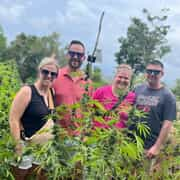
The plants come first: rows of green under Jamaican sun, a grower walking you down the line from seedling to flowering stalk, the smell of it in the humid air. That is the whole outing: a short, personal visit built around conversation and the crop itself.
Guided time on the farm runs 20 minutes to an hour inside the advertised three-hour excursion, while the shorter private outings run one to one and a half hours door to door.
The first figure counts the walk through the rows; the second counts your whole morning from hotel pickup to return. Either way it leaves the afternoon for the sea. Non-smokers rate the history highest: cultivation methods, medicinal uses, Rastafarian culture. Nobody pushes you to smoke.
Who it suits: the curious. Couples, friends and private groups who like conversation over crowds, and travelers who want one thing off the resort grounds. Who it does not: anyone expecting a vast estate, guaranteed shopping or an academic lecture. Skip the day if a rigid schedule rules you.
Beach and street flower is often low-grade bush weed at inflated tourist prices. The farm exists to show you what properly cultivated herb actually is.
Non-smokers come for the cultivation methods, the medicinal story and the culture, and leave the chalice untouched.
Herb is offered everywhere in Jamaica. The tour is how you see it grown well.
The farm visit buys the one thing the beach cannot give you: growers explaining their own crop, face to face.
Five farm outings run out of Montego Bay, and the differences come down to three things: how long, what is bundled, and whether entry fees sit inside the ticket.
The shortest is a private farm visit of one to two hours. The fullest single day is the Montego Bay: Cannabis Farm, Bamboo Rafting, & Foot Massage, three to four hours that add bamboo rafting on the Lethe River and a warm limestone foot massage, with entrance fees included.
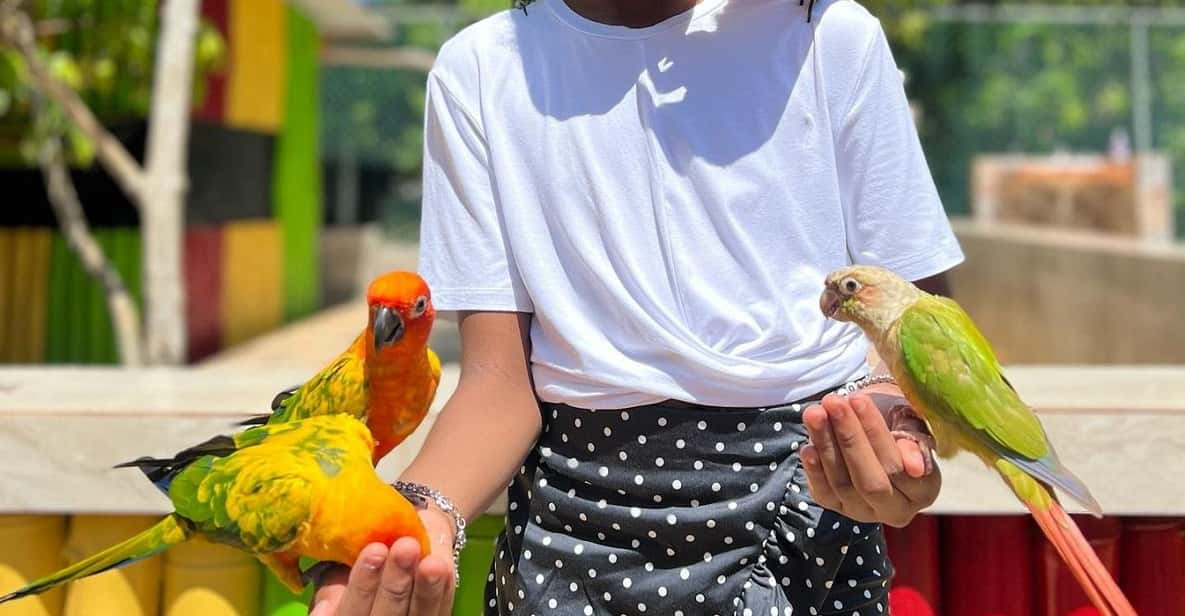
A private farm and bird sanctuary outing pairs the nursery with parrots and lorikeets you can handle.
The detail that catches people out is the entry fee. Some bookings cover only the ride, and the farm collects its own admission at the gate. Read what the ticket lists before you pay.
Really interesting tour on Rastafari culture. As a non-smoker, I found how ganja is cultivated and its medicinal uses fascinating. Guide Randy kept us entertained and helped with photos. Highly recommended.
So the honest comparison is total cost: a ticket with entry included can beat a cheaper ride-only fare once the gate adds its own charge.
The day starts at your hotel lobby or the cruise port meeting point, and the advertised three hours break down quickly: much of it is the road. On the Montego Bay: Private Marijuana Farm and Bird Sanctuary Tour, the farm comes first.
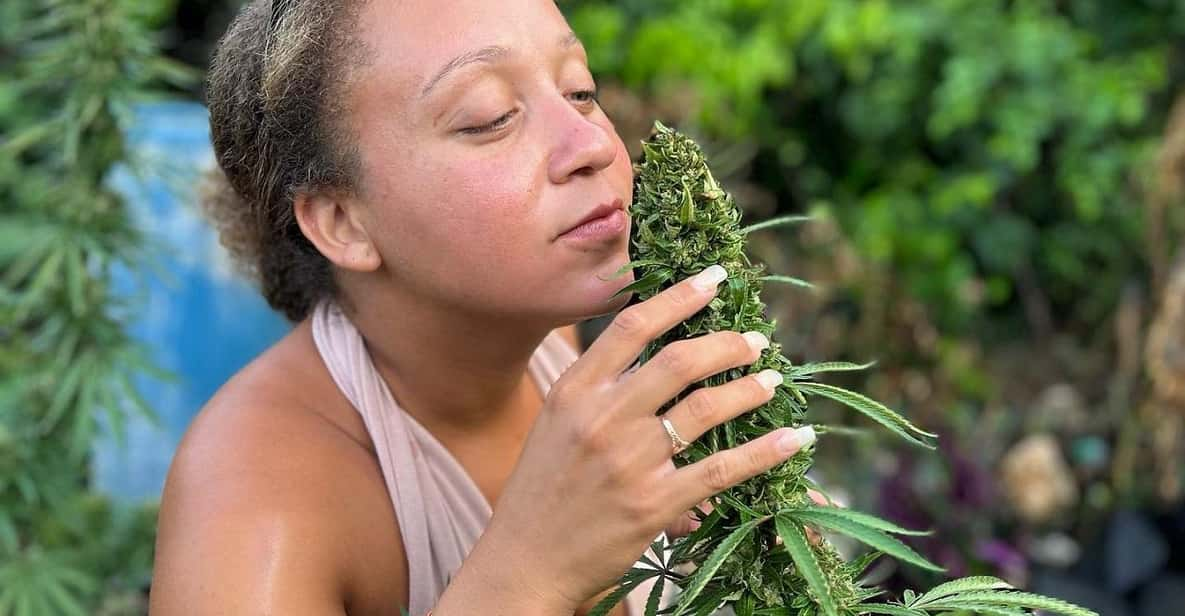
You walk the nursery, touch and smell the plants, and hear the whole process narrated from seed to sale. A chalice pipe session closes the farm visit for those who want it.
At the bigger estate farms, arrival means Blue Mountain coffee and botanical teas, a guided walk tracing the crop from seed to harvest, a lesson in traditional spliff rolling, and a farm-to-table lunch. On most Montego Bay outings it is simpler and shorter, and that is fine.
The bird sanctuary follows: parrots that climb onto your arm, as long as you want. A refreshment stop on the way home ends it, food and drink at your own cost.
Between 8:30 am and 9:30 am on morning slots
The Hip Strip sits about 15 minutes out
20 minutes to an hour, questions welcome
Door to door, one to one and a half hours
The drive is the hidden half of the day, which is why the morning slot matters so much.
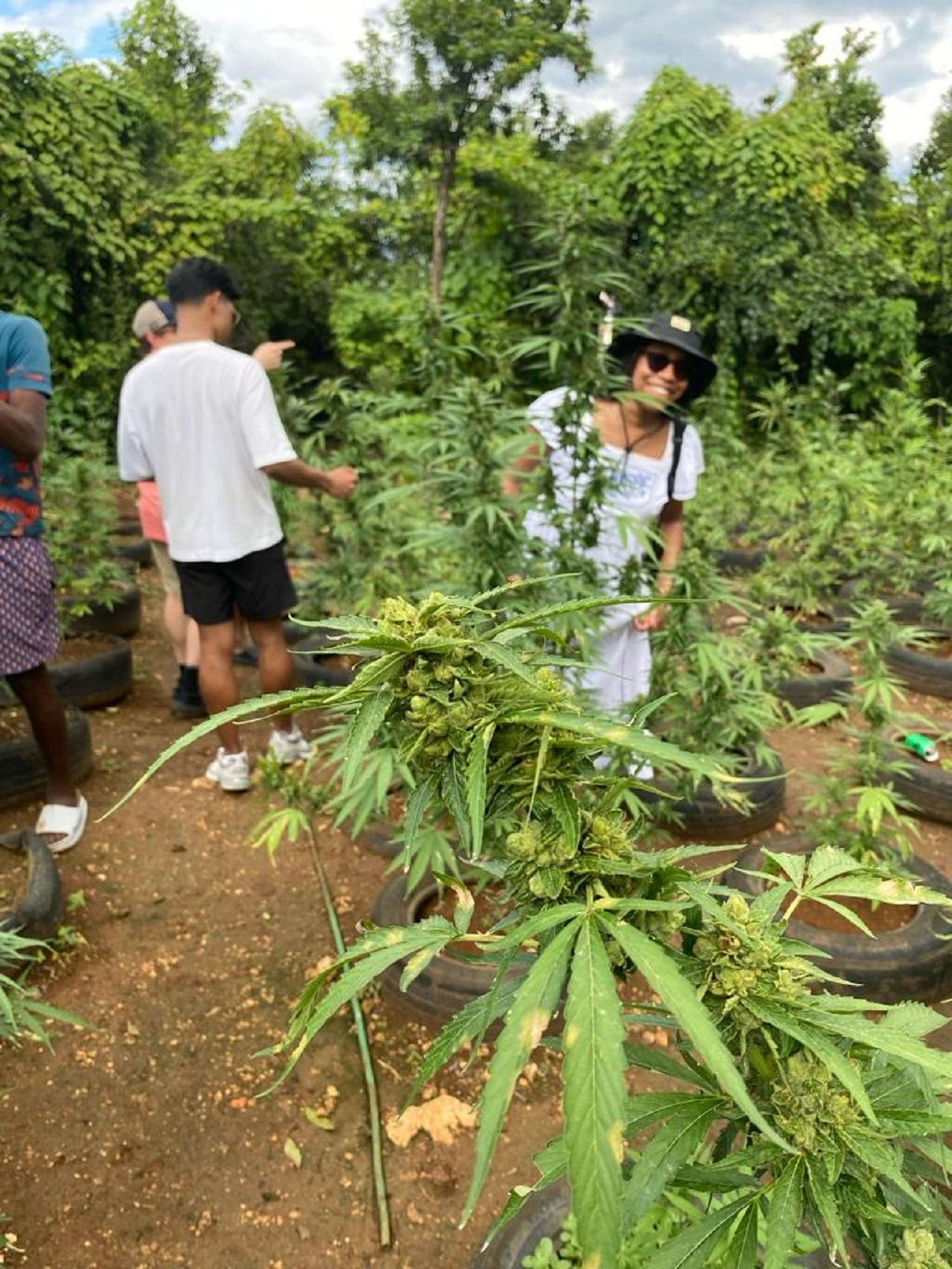
Morning wins twice. Between 6 am and 9 am the air is at its coolest and the light is clean and direct over the outdoor rows.
Afternoon rounds walk into peak heat around 33 degrees, with a heat index pushing higher, and cloud and showers building. Hotel pickups between 8:30 am and 9:30 am put you on the farm at its best hour.
The calendar matters too. December through March brings the most reliable dry days and highs around 29 to 30 degrees, which keeps the hill roads solid.
From May the rains build, peaking around October when rain falls on most days; the wet fuels lush green growth but pushes humidity toward 80 percent, which outdoor growers fight with mold and bud rot.
Flowering never stops entirely, because hill growers stagger plantings and run three to four harvests a year under steady tropical sun.
June: cannabis seen 2 times. Midyear warmth fuels Jamaican outdoor vegetative fields while Chiang Mai tours showcase climate-controlled flowering rooms.
Tap a month to read it.
November: cannabis seen 2 times. Jamaican growers complete their primary outdoor harvests under drier skies, while Chiang Mai facilities display continuous blooms.
Tap a month to read it.
January: 20 dry days. Dry winter sunshine makes farm tours pleasant in Jamaica, while Chiang Mai greenhouses show flowering crops on steady cycles.
Tap a month to read it.
March: 28.2 dry days. Dry weather supports outdoor field preparation in Jamaica, while Chiang Mai greenhouses maintain continuous growth cycles.
Tap a month to read it.
Dry months are the comfortable walk; wet months are the greenest fields and the muddiest shoes. For Chiang Mai, peak bloom runs August to November, so the two destinations grow on different rhythms, each with its own best month.
Three shapes of day, three kinds of traveler. The private farm visit is the quick, personal one: one to two hours, your own guide, cultivation knowledge up close, and it slips into any schedule. That is the choice for a curious couple or a group that prefers conversation to crowds.
The combo days add more. Bamboo rafting plus a foot massage turns the morning into a proper excursion, and the bird sanctuary version gives animal lovers their hour. Both keep you back by early afternoon.
The third shape, a UTV safari with a ganja farm stop, is built for adventurous travelers who want to move: riding, dust, outdoor walking, villages off the beach strip.
It asks for mobility and energy, so anyone after a calm sightseeing morning should pass on it. Match the day you can actually book to your energy: quick and cultural, or fuller and outdoors.
If you cannot decide, the rafting combo covers both moods: plants in the morning, river after.
The road out of town explains the whole transfer system. Montego Bay's streets are narrow and winding with traffic to match, and inland the tarmac barely grips the steep valley edges as the road crosses swift streams toward the Cockpit foothills.
Rail service ended decades ago and no formal bus network exists, so the practical choice is a pre-booked private taxi, usually a minibus with your own driver.
From the Hip Strip the farm is about 15 minutes and roughly 3 miles away. From Rose Hall count a full hour each way, deeper into the Saint James interior. All five Montego Bay farm tours include hotel pickup; the only detail is where your driver waits.
At gated resorts that is the main lobby entrance. At the cruise port it is one of the marked meeting areas inside the secure zone, or the turnaround just outside it.
A guided tour from the Hip Strip or Rose Hall is the option that comes out best, because the driver knows the rural roads worth leaving to a local.
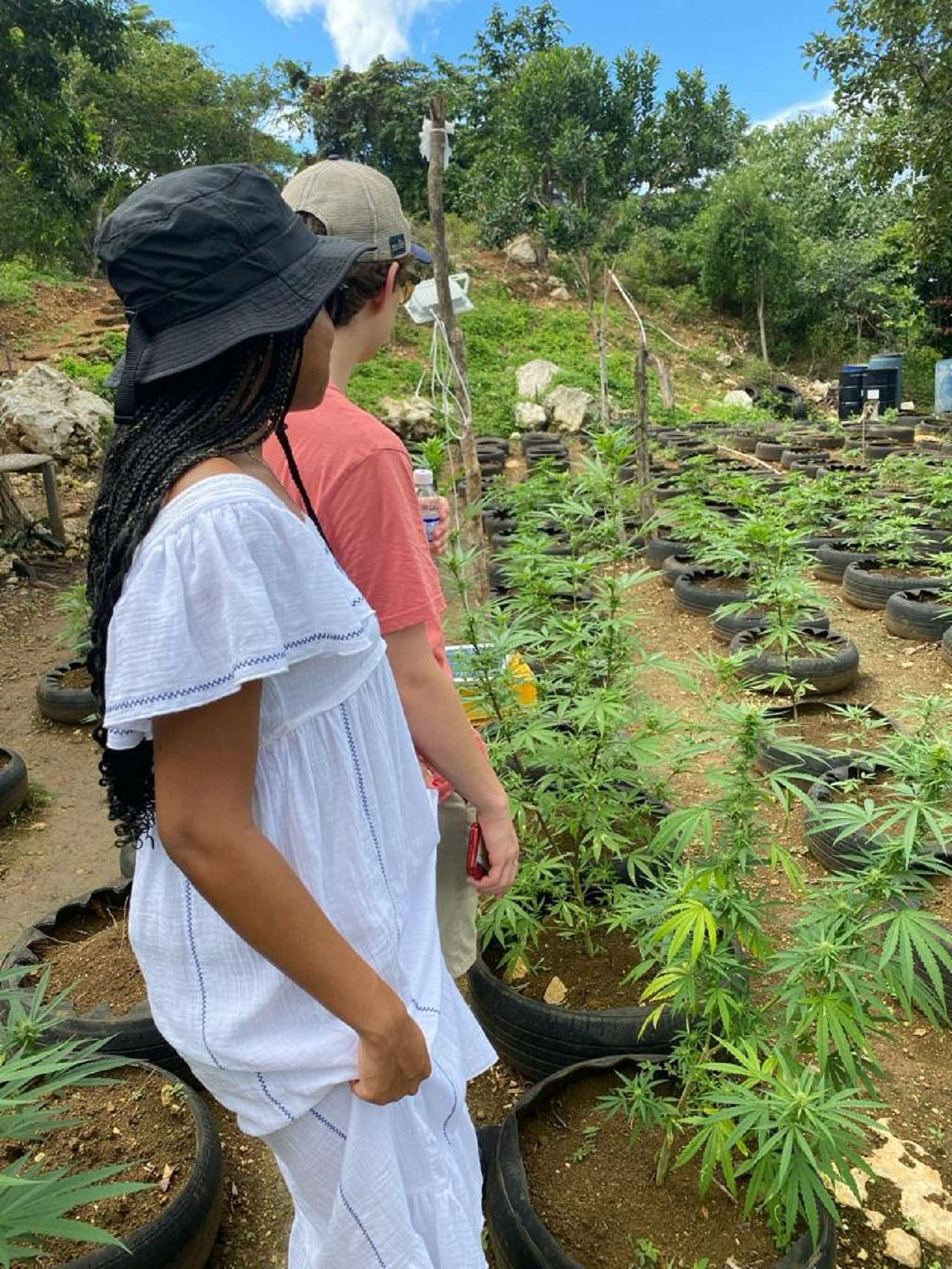
Licensed looks a certain way, and you can check it in ten seconds. A licensed grower must display its Cannabis Licensing Authority certificate on the premises, keep a log of everyone entering and leaving, and tag every individual ganja plant with a unique identifier.
If you see the certificate on the wall and a logbook at the gate, you are on a legal operation.
The second half is the booking. Not every licensed farm is licensed to run tours, so book with an established tour operator and leave the roadside offers alone.
Crime on unofficial taxis and public transport is a real pattern in Jamaica, which is why travelers stick to registered operators, move in groups and avoid isolated areas and night driving. Off the resort strip, that caution is how the day stays easy.
| Check | Why it matters | Our pick |
|---|---|---|
| What the ticket covers | Some bookings are transport only, with farm entry paid separately at the gate | The Montego Bay tours that list entry fees as included are the safe picks |
| A licensed grower | Licensed sites display their CLA certificate and log every visitor | A guided visit to a licensed farm puts both in front of you |
| Pickup from where you are | Resort zones and the cruise port have fixed meeting points | Every Montego Bay farm tour includes pickup across the resort zones |
A quick look at the certificate and the logbook settles the legitimacy question before any money changes hands.
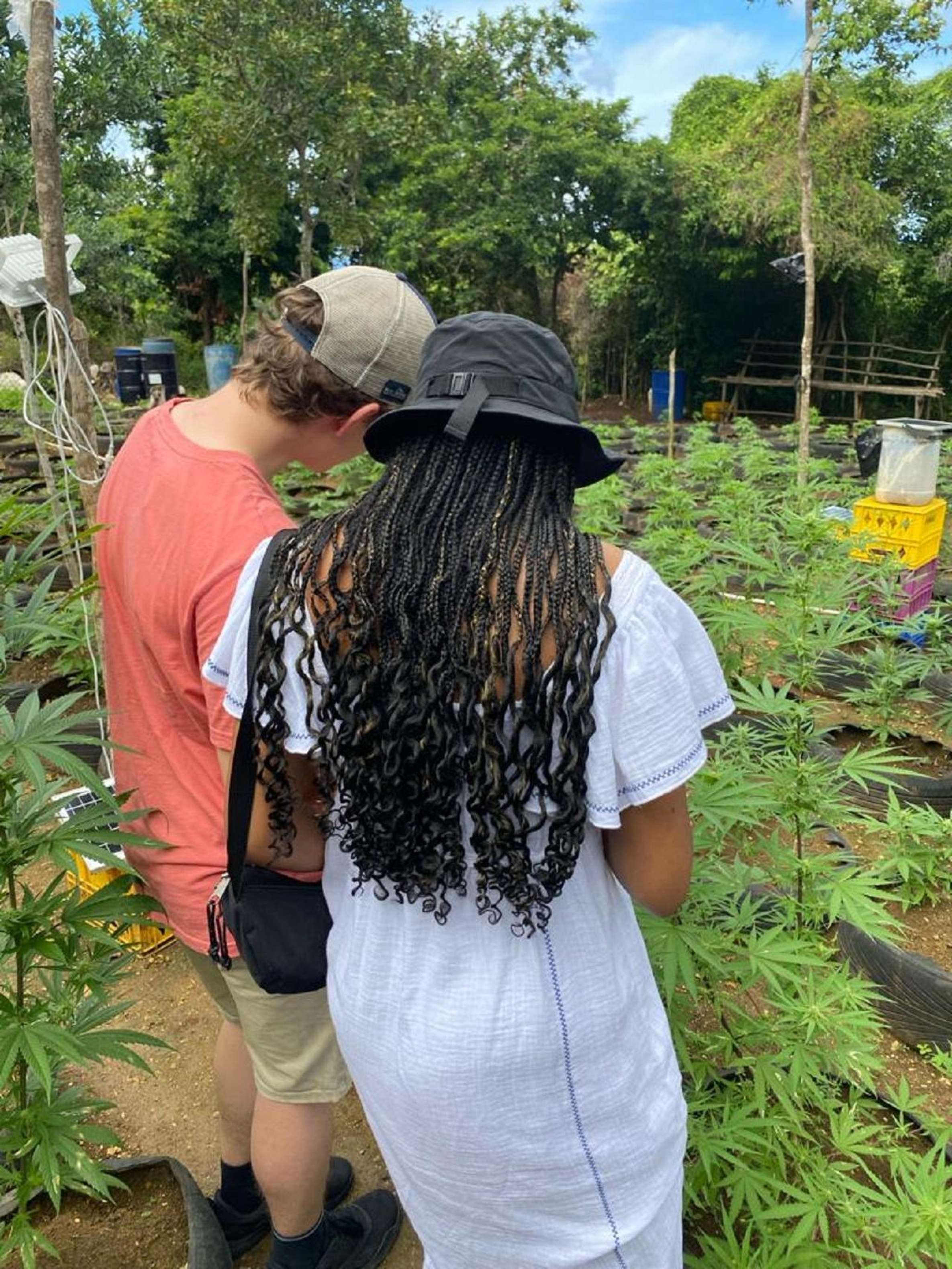
Red bauxite soil decides the wardrobe. Wet, it leaves stubborn rust-colored mud marks, so wear older, darker clothes with lightweight long trousers, and closed-toe shoes with real grip, boots or sneakers you have already sacrificed once.
Leave the flip-flops and the white shoes at the resort. A spare pair of shoes and clothes for the ride back is the move regulars make.
The fields themselves are hillside walks with small rocks underfoot, so sturdy footwear is not decoration. Sun does the rest: a wide-brimmed hat, sunscreen and bug spray cover the open rows.
Cash decides what you can buy at the gate. Small hill operations rarely take cards or digital payments for direct purchases, so carry physical cash, and keep some Jamaican dollars alongside US bills, which are widely accepted in Montego Bay though local currency often gets better rates on small purchases.
At check-in, photo ID proves you are over 18, the legal minimum to enter a cannabis farm in Jamaica.
Pack light and dress dark, and the red mud becomes a story instead of a problem.
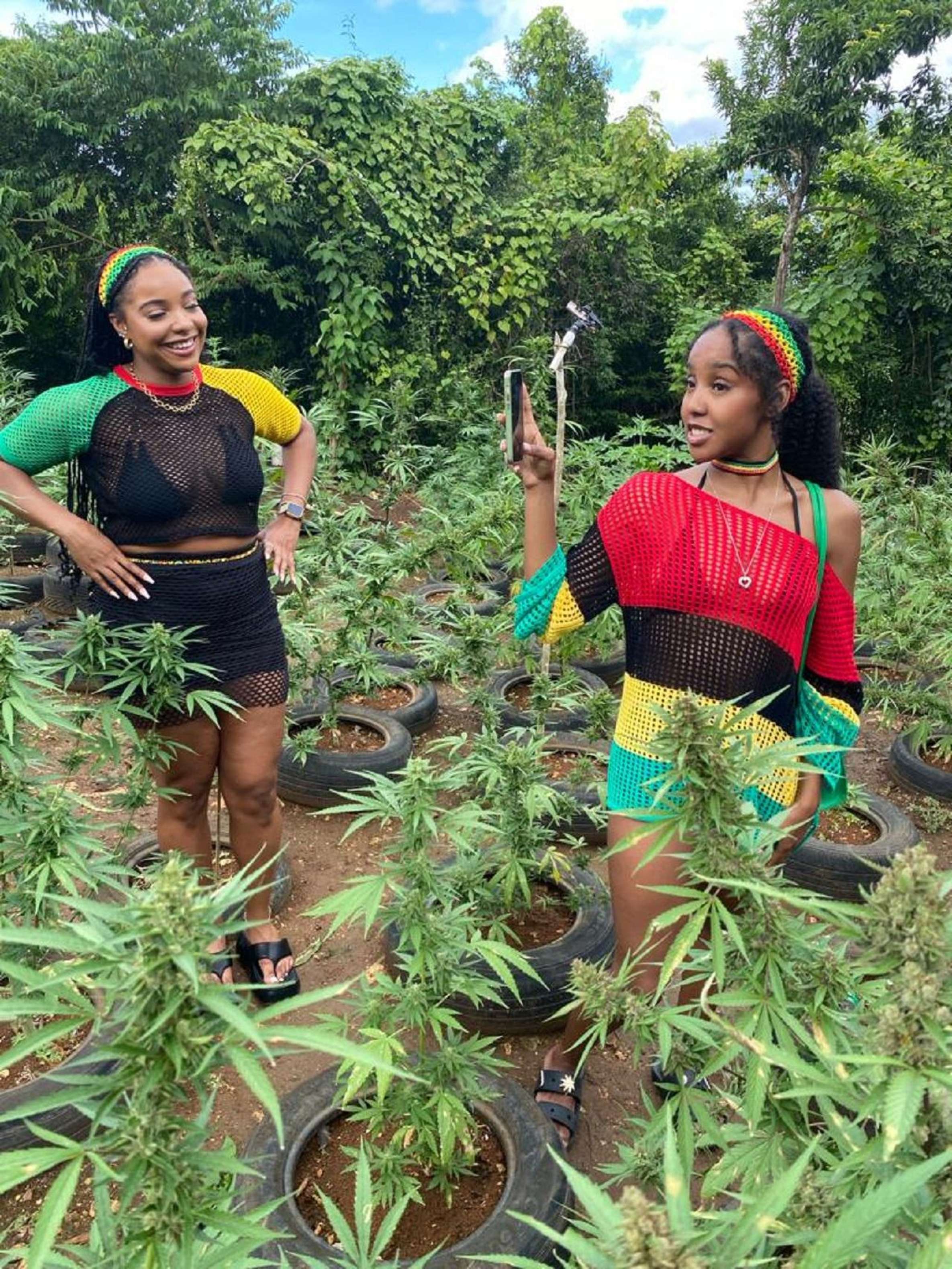
Jamaica keeps cannabis decriminalized in small amounts, with strict limits around it. Up to two ounces is not an arrestable offense; police can issue a ticket with 30 days to pay, and more than two ounces becomes a criminal matter with arrest on the table.
Smoking in public, or within five meters of one, draws the same ticket, and that ban covers vans and any work vehicle, so nothing gets lit between the farm and your hotel.
To buy legally, tourists apply to the Ministry of Health for a medical ganja permit, showing a prescription or recommendation from home or signing a voluntary declaration, plus photo ID proving you are over 18.
Only a Cannabis Licensing Authority licensed retailer can sell to you; herb houses deliver to hotels with proof of accommodation, permit and ID. Many resorts ban cannabis on their premises entirely, so check your hotel's own rules before buying.
Cannabis at the cruise terminal or on the ship Cannabis cannot be brought into cruise terminals or aboard the ship: exporting it from Jamaica is a serious crime with penalties of up to 35 years in prison, and every cruise line bans it. Leave anything you bought at a licensed herb house or with a trusted contact, never in your bag for boarding.
Hotel guests can leave a purchase where their hotel rules allow; cruise passengers should plan on memories only.
The greeting comes before any question. A polite good morning, or "Greetings in the name of Jah," opens every exchange on community grounds, where modest dress covering shoulders and knees is expected and beachwear stays at the resort. Cannabis here is sacrament, and hosts treat it with reverence.
Phones stay in pockets unless permission is clear. Ask before every photo, accept a refusal without argument, and stay selective even when the answer is yes. Filming elders, drummers or prayer is not assumed by a public setting.
Then the chalice, a coconut-shell water pipe that cools and filters the herb. It is passed counter-clockwise, three pulls each in a communal round, with a word of thanks before you draw.
The steam carries the full flavor of the plant without burning it, and it packs a punch stronger than a spliff. Wrap a hand around the mouthpiece, pull slowly, wipe it before passing, and keep the conversation uplifting.
Take slow pulls and let the steam flow before you commit, or the first round will outpace you
Follow the counter-clockwise circle without skipping turns, and pass with a blessing
Local cultivated strains can run significantly stronger than expected, so wait between rounds
Taken slowly, the chalice round becomes the part of the day people talk about long after the flight home.
Mountain roads are the weak point. Heavy tropical rain can leave unpaved routes muddy, hazardous or washed out, and the fields themselves turn slick. When access becomes unsafe, operators cancel without penalty and try to move your booking to another day.
The same protection runs the other way: if an operator cancels for weather or a missed minimum of participants, you get another date, an alternative experience or a full refund.
For most bookings you can also cancel up to 24 hours ahead for a full refund, which covers a changed ship schedule or a beach day that wins. If you are docking at the port rather than staying over, book the earliest morning slot so a delay still leaves room.
| If this happens | What happens then |
|---|---|
| Heavy rain makes the mountain access unsafe | The operator cancels without penalty and reschedules for a date that works for you |
| The operator cancels for weather or low numbers | You choose another date, an alternative experience, or a full refund |
| Your plans change the day before | Cancel up to 24 hours in advance for a full refund |
Weather is the only thing that can sink a farm day, and every outcome leaves your money or your date intact.
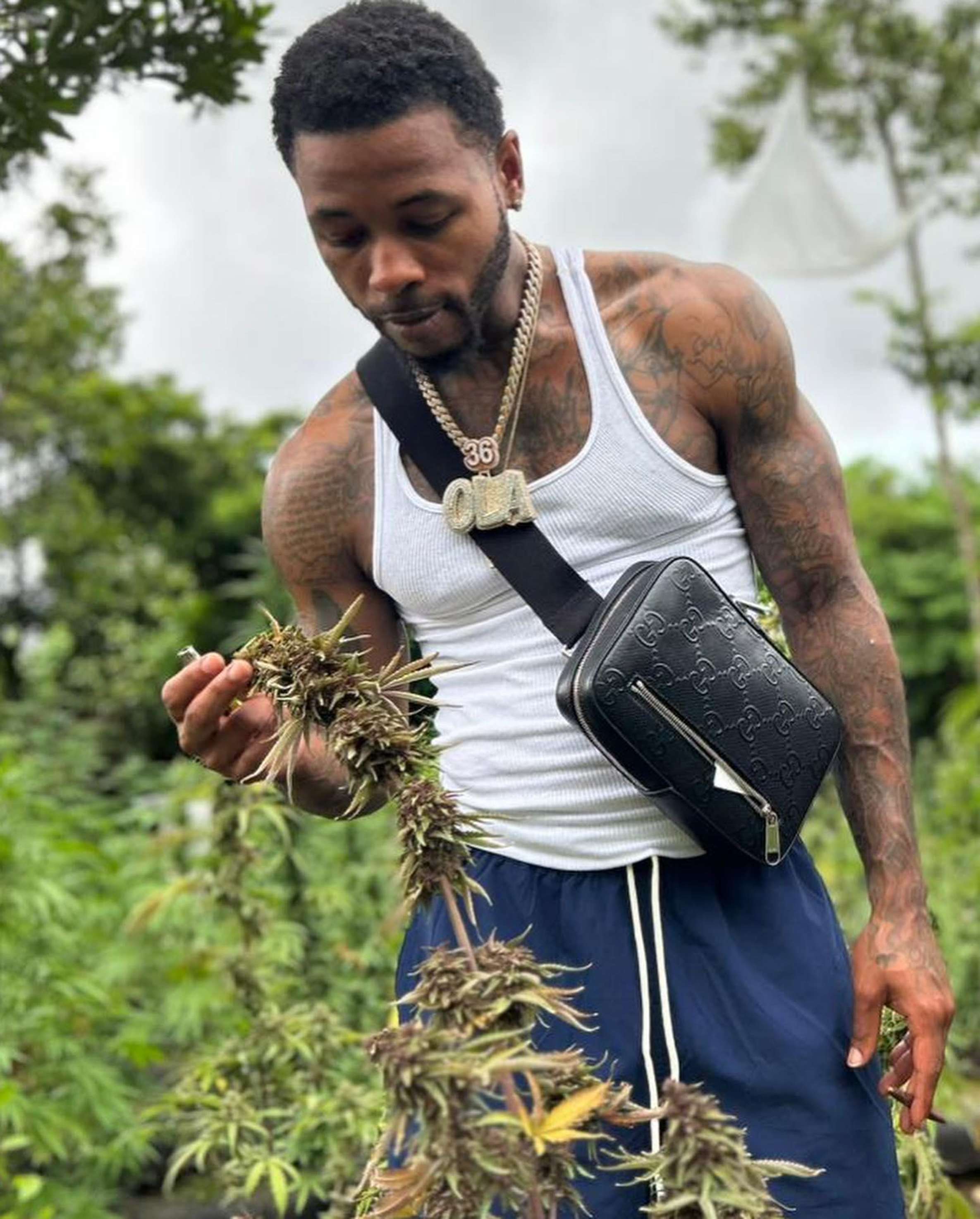
The farm is a half-day, which leaves room. Bamboo rafting on the Martha Brae runs about an hour to an hour and fifteen over three miles of slow river, and pairs naturally with a morning farm visit, which is exactly how the combo tour on this page sequences it.
The bird sanctuary is the other natural add-on, and worth a moment's thought: visitors book it for the hands-on parrot encounters, so look for healthy birds with space to retreat and clean surroundings, the marks of a well-run place rather than a photo mill.
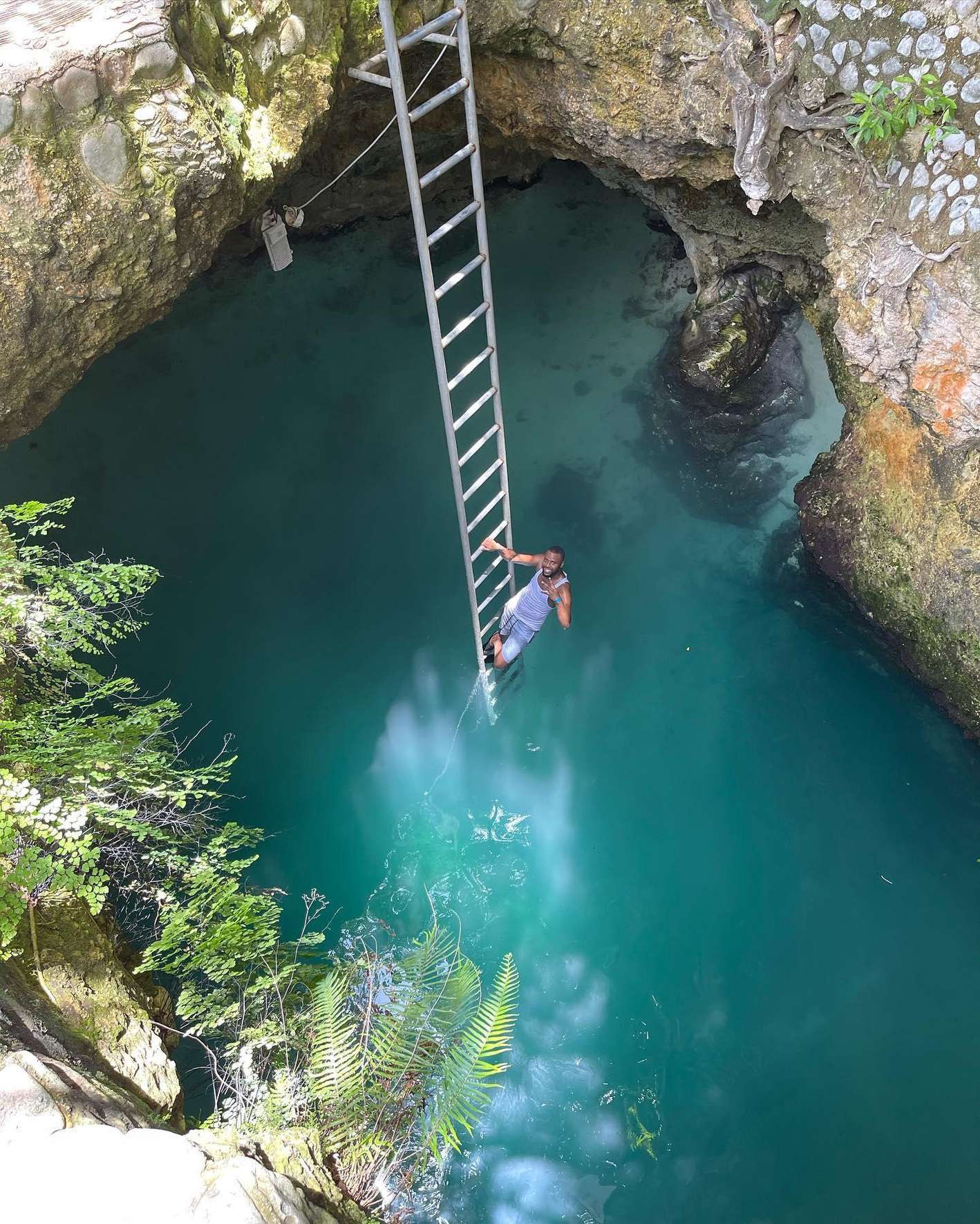
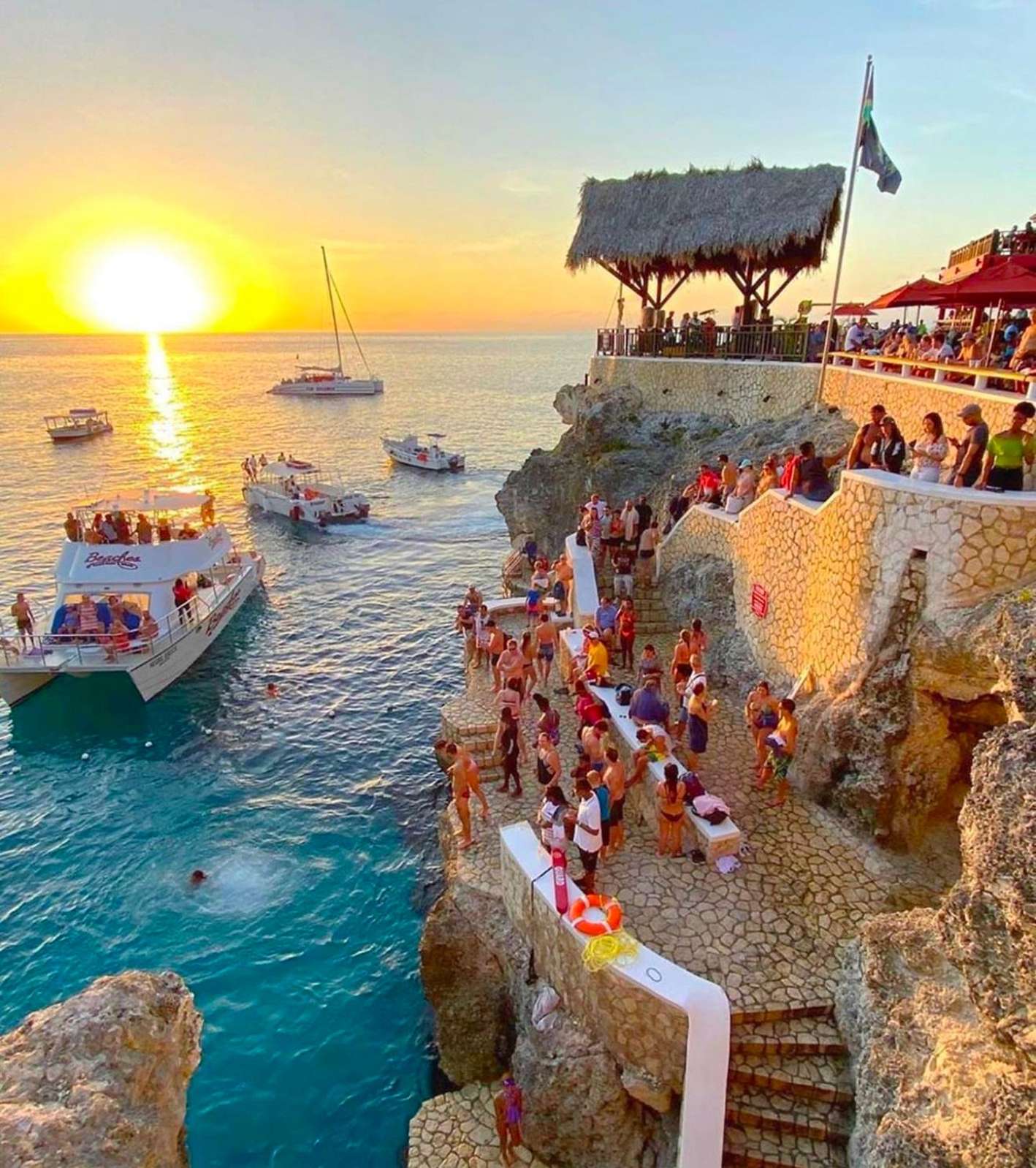
Head west and the day grows: the Negril farm outing adds a swim at Blue Hole Mineral Spring and cliff jumping near Rick's Cafe, and it picks up from Montego Bay and Grand Palladium hotels too. Wear your swimsuit under your clothes, pack water shoes for the wet limestone, and a towel for the drive.
After dark, Glistening Waters lights up: swim among the bioluminescence on the first boat out, the quiet end to a farm day.
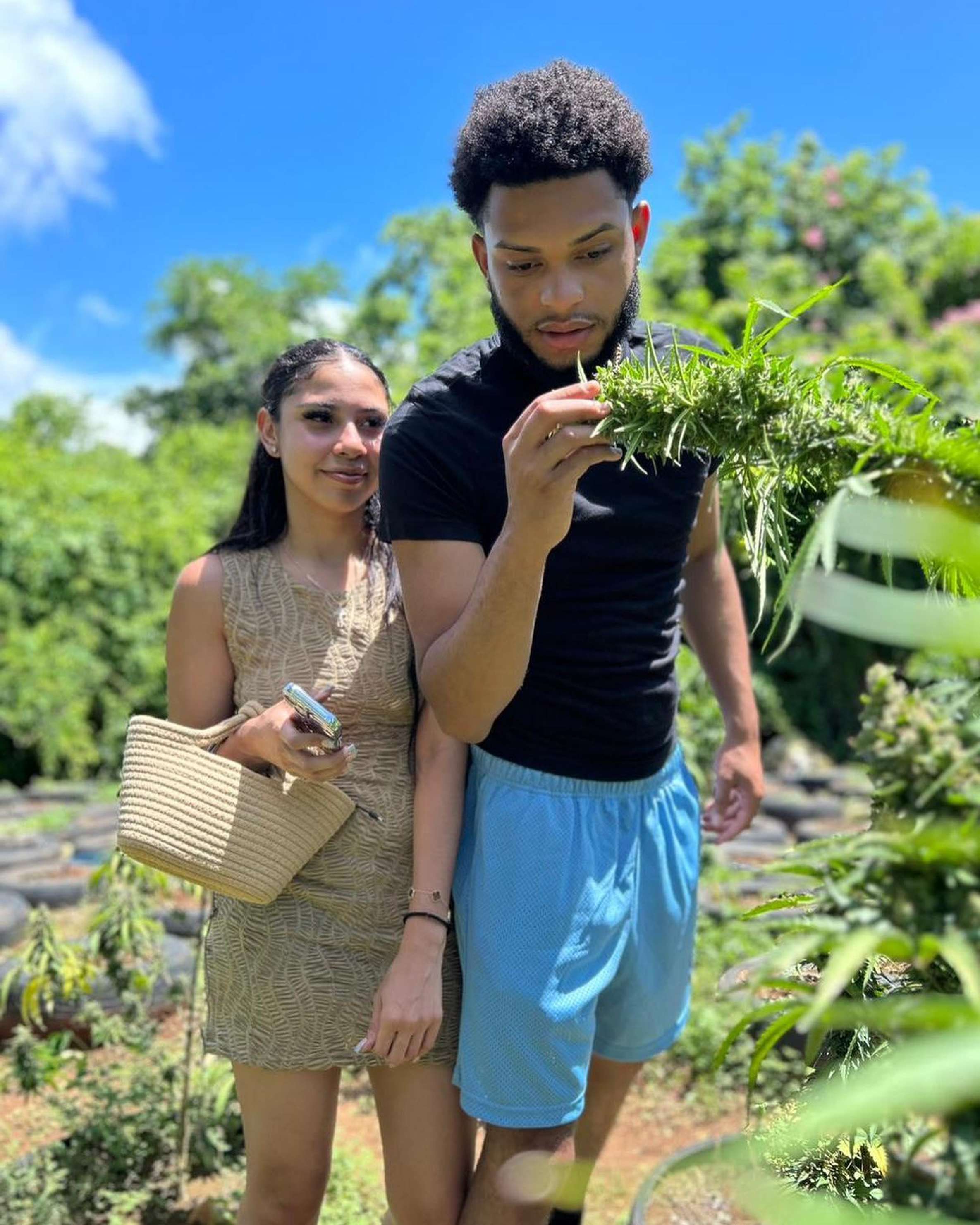
A Montego Bay weed farm tour is a short, personal, culture-first outing that fits around a beach day, best booked for a morning pickup with the drive left to a guide. Know what your ticket covers, carry cash and ID, and skip it if you expect a big-production attraction.
Short answers to the things travelers ask before booking a weed farm tour in Montego Bay, from transfers to what you can legally carry home.
Montego Bay2026Door to door, expect between one and two hours, though some excursions run three hours or more. The guided walk through the fields usually takes twenty minutes to under an hour. The rest is the drive inland and back, so the visit fits easily around a beach morning or an afternoon at the resort.
No. Cruise lines prohibit cannabis on board, and taking it out of Jamaica is a serious offense that can carry a prison sentence of up to 35 years. Enjoy the farm, buy nothing to carry, and leave the terminal empty-handed.
No. Jamaica bans smoking in public places, and that ban covers public transportation and any vehicle used for work. Smoking within five meters of a public place is also prohibited, so save any sampling for a licensed private setting.
Yes. The visit is educational first: you walk the rows, learn how the plants are grown from seedling to harvest, and hear how ganja fits into Jamaican history, medicine, and Rastafarian culture. Nobody has to light anything to enjoy the morning.
You can legally hold up to two ounces in Jamaica. Whether you may use it depends on your accommodation, because many resorts prohibit smoking and vaping on their premises. Check your hotel's policy before you buy anything at the farm gate.
Licensed growers display their Cannabis Licensing Authority certificate on the premises, log everyone who enters, and tag each plant with a unique identifier. Booking a guided tour through an established operator is the simplest way to make sure you end up at a legal, assessed site rather than an unregulated one.
It depends on the tour. Some Montego Bay packages include entrance fees, while some transportation providers state plainly that they only supply the ride, with the farm and any bird sanctuary charging their own admission on site. Read the inclusions on the tour card before you book so nothing surprises you at the gate.
The roads inland are narrow and winding, often bumpy, and run through foliage toward the Cockpit foothills with little room for error. Route taxis stick to fixed lines and fill up fast, so a pre-booked minibus with your own driver is the practical way to arrive on time and get back for dinner.
Morning is best. Between about 6 am and 9 am the air is coolest and the light is clearest for walking open fields and hillside crops, before midday heat and afternoon showers build. An early start also leaves your whole afternoon free.
Direct contact with the birds is the reason many travelers add the sanctuary, and it can be done well. Look for signs of healthy animals: space to move, clean surroundings, and the choice to retreat from handling. A facility that lets you pet every animal on demand deserves a closer look before you book.
Heavy wet-season rain can turn unpaved mountain roads to mud and make fields unsafe to walk. When that happens, an operator can cancel without penalty and will usually offer another date, an alternative experience, or a full refund. Most tours also allow you to cancel up to 24 hours ahead for a full refund.
Compare farm locations across Jamaica and pick the one that fits your resort and schedule.
Heading to Negril? See what its farm tours include, from mineral spring swims to cliff stops.
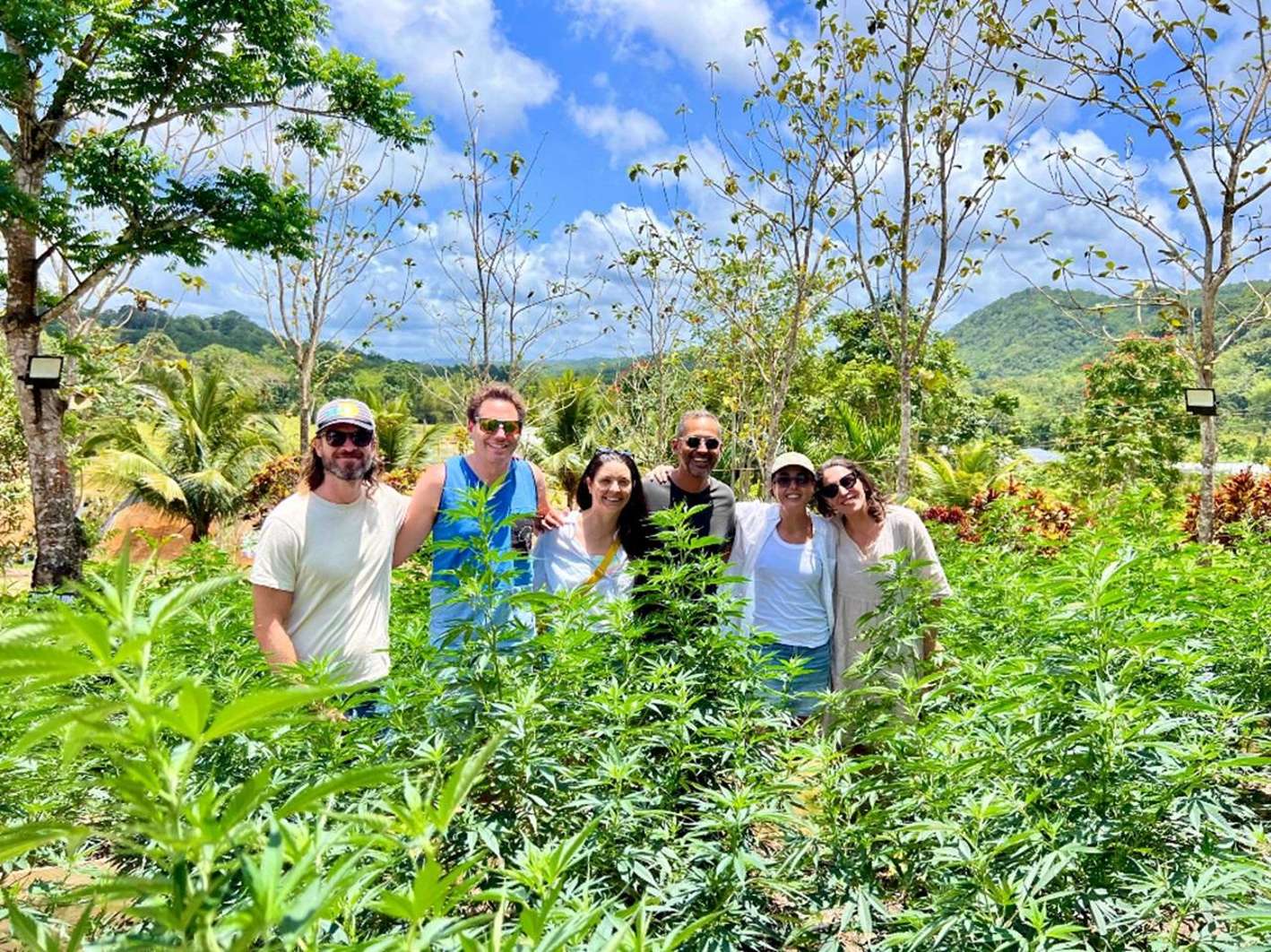
Cruising into Ocho Rios? Find farm tours near the dock and what a half day there covers.
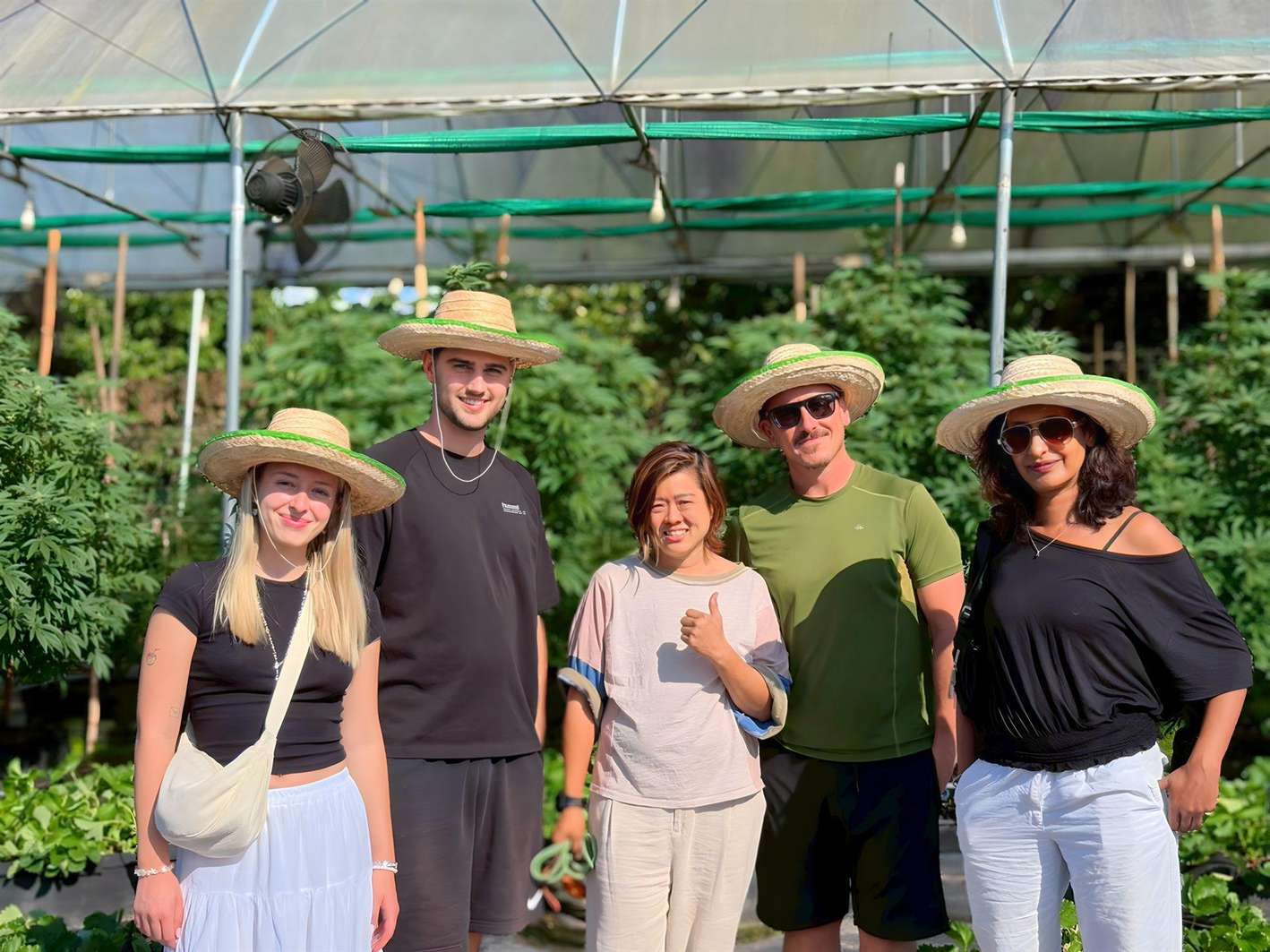
Curious about Thailand? Learn how its licensed farm visits differ from Jamaica's.
Chiang Mai runs strict educational tours with no sampling. See what to expect there.
Hotel pickup across Montego Bay, a guided walk through a licensed cannabis farm, and free cancellation up to 24 hours in advance.